Analyzing the Role of Vegetation in Urban Heat Islands
This project investigates how vegetation influences temperature in urban heat islands. By comparing areas with varying plant cover, students can assess the cooling effects of vegetation.
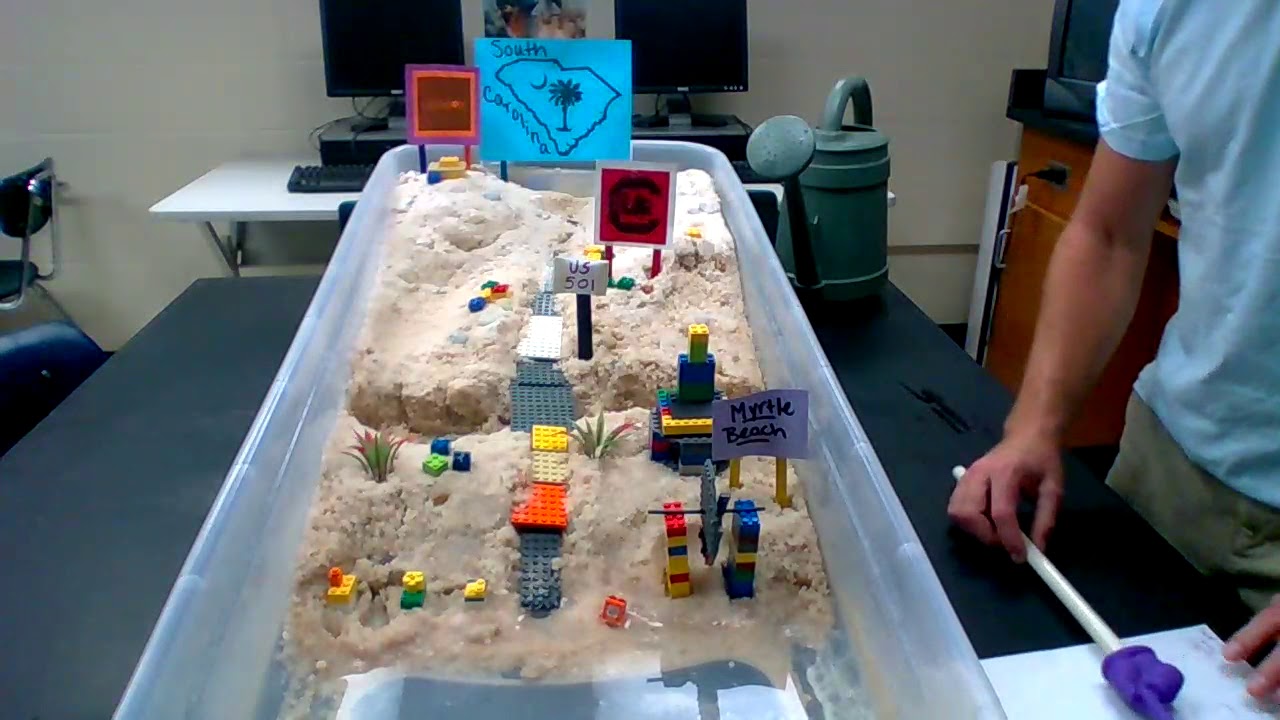
This project allows students to simulate erosion and deposition processes using soil, water, and wind. Participants will explore how these natural forces shape landscapes and compare their effects under varying conditions.

If soil is exposed to water and wind, then erosion and deposition will occur, altering the landscape of the area.
As an Amazon Associate, this site earns from qualifying purchases.
Fill each plastic tray with soil, sand, and small rocks.
Position one tray under a fan and note the initial landscape.
Use the spray bottle to mimic rainfall over another tray.
Observe and record changes after running the fan for 10 minutes.
Simulate wind by directing a fan or hairdryer over the sand tray.
After 10 minutes, inspect and note changes in landscape structure.
Measure the amount of material moved and compare in each tray.
Analyze which material was most affected by wind and water.
Take photos to document before and after landscapes.
Discuss findings and relate them to real-world erosion.
The soil and sand will be displaced by water and wind, demonstrating the effects of erosion. Rocks will likely remain more stable, indicating less susceptibility to these forces.
Type of natural force (water or wind)
Amount of soil/sand displaced
Type of soil and rocks, Tray size, Exposure time
Ensure the fan or hairdryer is used safely and kept away from water to avoid electrical hazards.
Use a time-lapse video to show changes in the landscape over time.
Create a poster with illustrations of erosion and deposition processes.
Prepare a model to demonstrate how these factors affect different landscapes.
Erosion is the process of natural forces moving weathered rock and soil from one place to another.
Deposition is the process of laying down or depositing material that has been eroded.
Yes, while they often occur over long periods, certain conditions like storms can accelerate erosion and deposition quickly.