Analyzing the Role of Vegetation in Urban Heat Islands
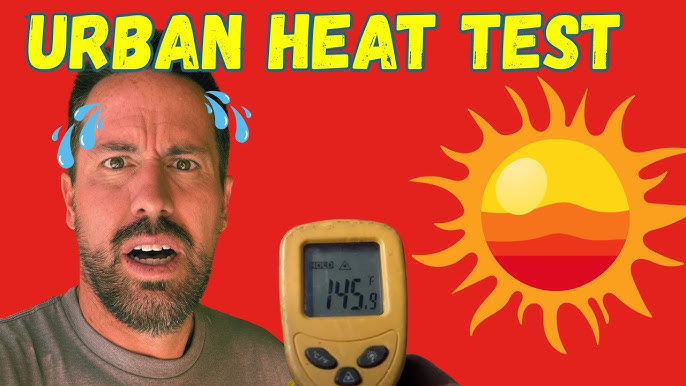
This project investigates how vegetation influences temperature in urban heat islands. By comparing areas with varying plant cover, students can assess the cooling effects of vegetation.
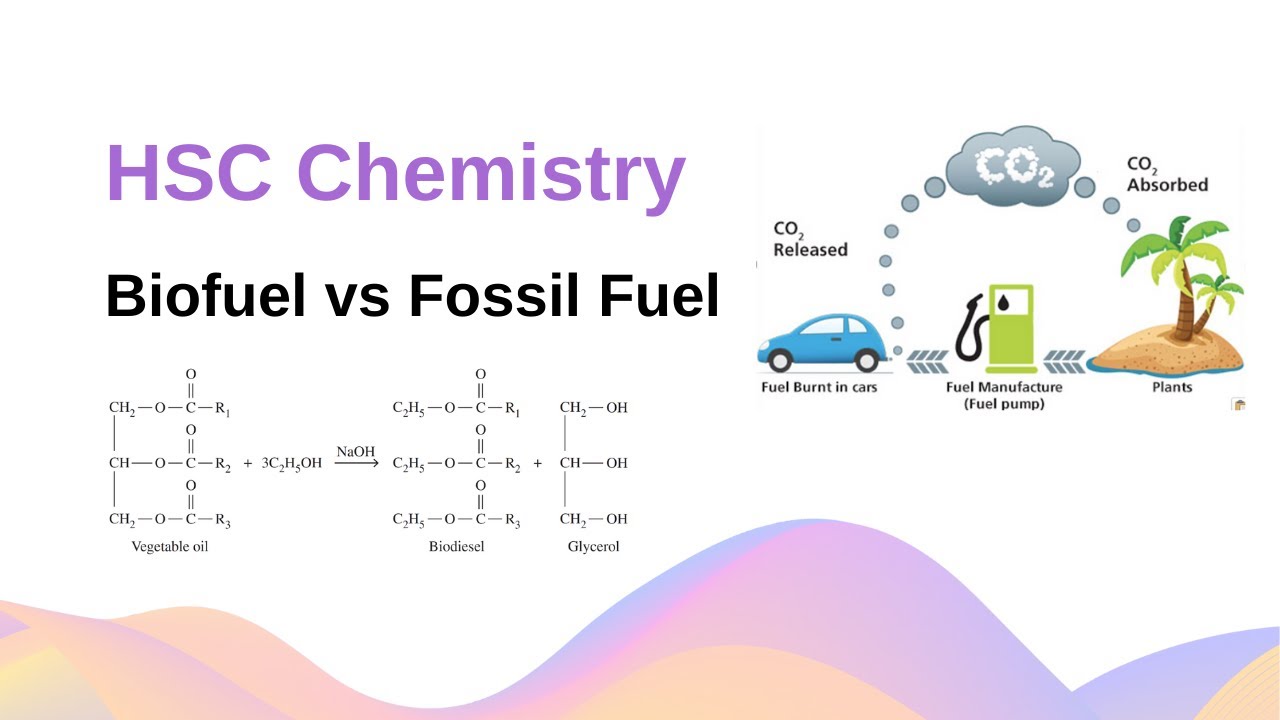
This project compares the fuel efficiency of various biofuels, such as ethanol and biodiesel. Students will conduct experiments to measure energy output and sustainability, aligning with current environmental challenges.

Different biofuels will have varying levels of energy output, impacting their overall efficiency for use.
As an Amazon Associate, this site earns from qualifying purchases.
Gather various biofuels and measure equal amounts.
Set up the calorimeter and measure the initial temperature of water.
Burn each type of biofuel in the calorimeter, recording temperature changes.
Measure the amount of biofuel consumed for each trial.
Calculate the energy output based on temperature change and fuel weight.
Compare the energy output of each biofuel.
Analyze results to determine the most efficient biofuel.
Present findings and discuss implications for biofuel use.
The results should show varying energy outputs for each type of biofuel, demonstrating which biofuel is the most efficient. This project highlights the importance of renewable energy sources.
Type of biofuel
Energy output measured
Amount of water, Size of the calorimeter, Initial temperature
Handle all fuels with care and conduct burning experiments in a well-ventilated area. Always wear safety goggles.
Prepare clear graphs comparing energy outputs.
Discuss the benefits of biofuels over fossil fuels.
Engage the audience with current statistics on energy consumption.
Use visuals to explain the combustion process.
Biofuels are renewable fuels derived from organic materials such as plants.
Biofuels are generally more sustainable and have a lower carbon footprint than fossil fuels.
Yes, but ensure you follow safety guidelines and environmental regulations.