Analyzing the Role of Vegetation in Urban Heat Islands
This project investigates how vegetation influences temperature in urban heat islands. By comparing areas with varying plant cover, students can assess the cooling effects of vegetation.
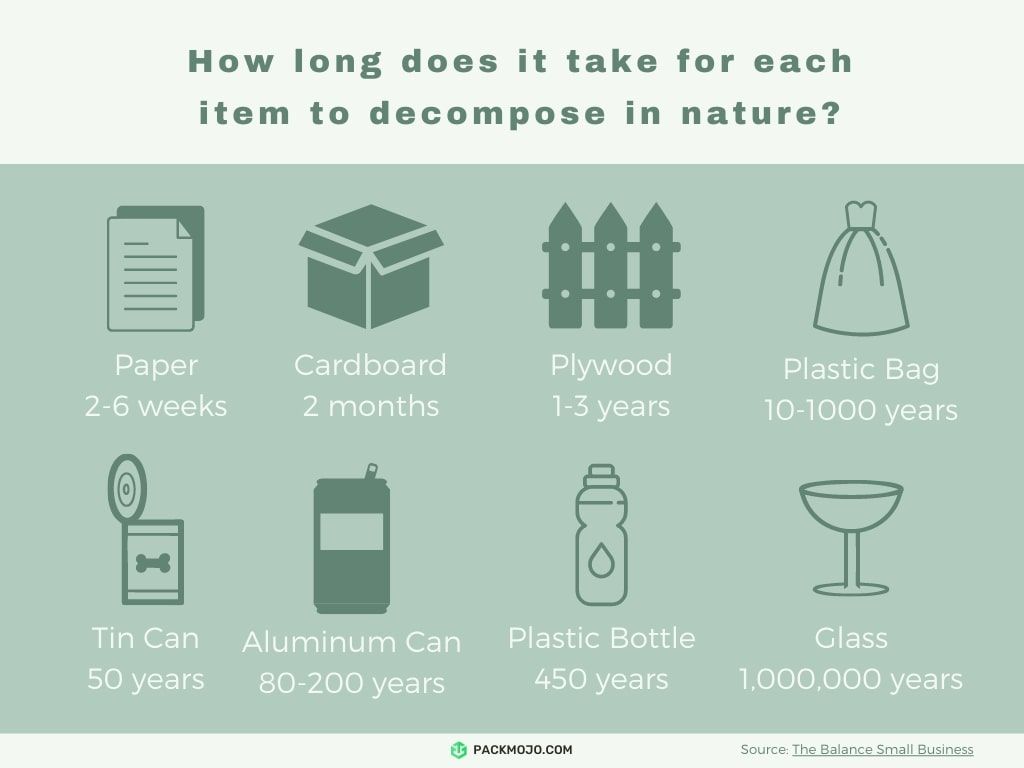
In this project, you'll compare how long biodegradable materials take to decompose versus plastic. This will shed light on pollution and waste management challenges.

If biodegradable materials are compared to plastic, then the biodegradable items will decompose significantly faster due to their organic composition.
As an Amazon Associate, this site earns from qualifying purchases.
Prepare ten containers by labeling them appropriately.
Bury five biodegradable items in designated containers.
Bury five plastic items in separate containers.
Water the containers lightly to maintain moisture.
Check the containers every week for changes.
Observe and record any decomposition progress.
Measure the time taken for each material to show signs of decomposition.
Analyze the results and compare the findings.
Biodegradable materials are expected to decompose within weeks or months, while plastic items may show little to no decomposition after the same period.
Type of material (biodegradable vs plastic)
Rate of decomposition
Amount of soil, Moisture levels, Location of containers
Handle soil and items with care, and wash hands after handling materials.
Create a timeline of decomposition observations.
Use visuals to display results and findings.
Discuss the environmental impact of plastic waste.
Demonstrate how to properly dispose of waste.
Biodegradation is the process by which organic substances are broken down by living organisms.
Plastic is synthetic and not easily broken down by microorganisms, leading to long-lasting environmental pollution.
Using reusable bags and containers, and choosing biodegradable options can help reduce plastic waste.