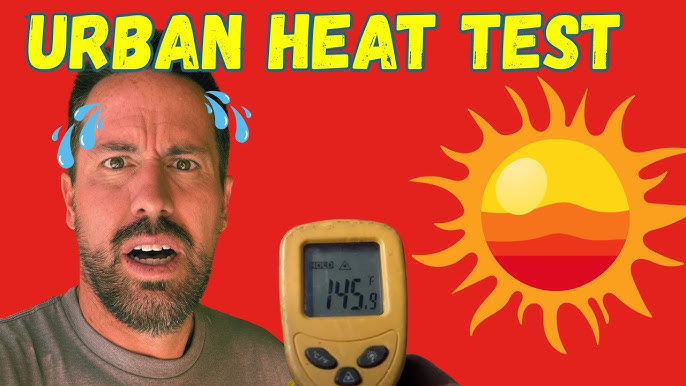
Analyzing the Role of Vegetation in Urban Heat Islands
This project investigates how vegetation influences temperature in urban heat islands. By comparing areas with varying plant cover, students can assess the cooling effects of vegetation.
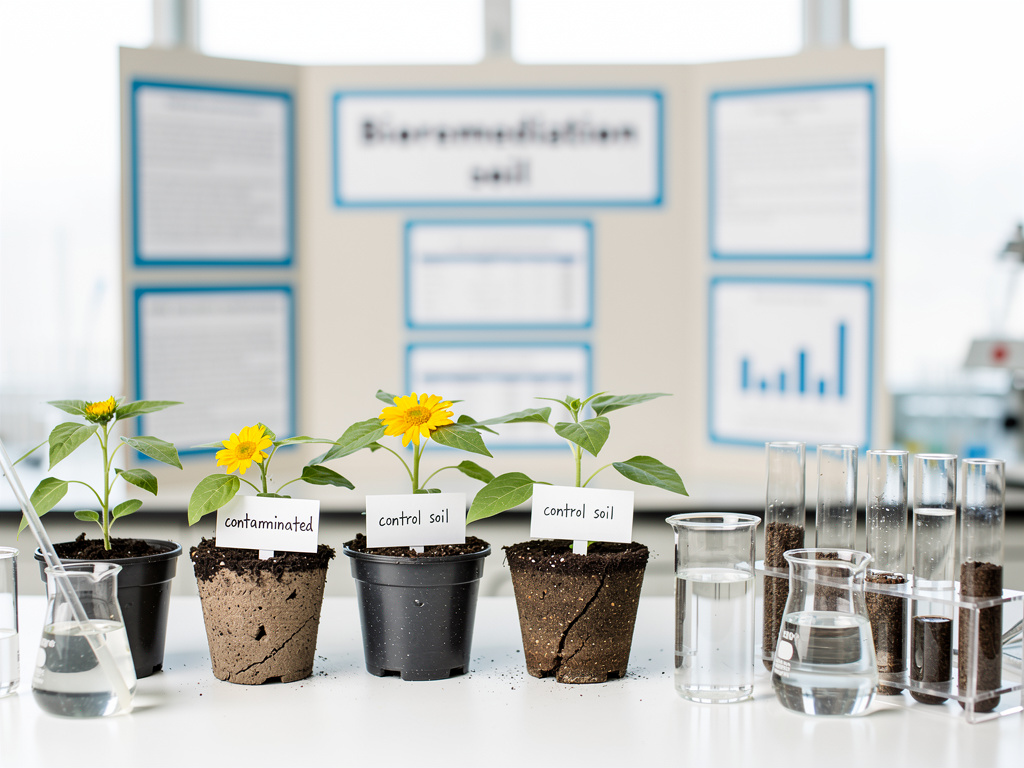
Explore the potential of plants to remediate contaminated soil. Conduct experiments to determine how effective certain plants are at absorbing pollutants!

Certain plant species will be more effective in absorbing soil contaminants than others, thereby improving soil quality.
As an Amazon Associate, this site earns from qualifying purchases.
Prepare pots with contaminated and clean soil.
Plant seeds in both types of soil.
Water plants regularly and keep them in equal light conditions.
Observe and record plant growth over several weeks.
Test soil quality at set intervals (e.g., pH, nutrient levels).
Compare the growth and soil quality changes.
Analyze which plants performed better in bioremediation.
Draw conclusions based on findings.
It is expected that certain plants will thrive in contaminated soil and improve its quality, demonstrating their potential for bioremediation.
plant species
soil quality and plant health
amount of water, light exposure, type of soil
Handle contaminated soil with gloves and avoid direct contact.
Visualize data with graphs showing soil quality changes.
Include photos of plant growth stages.
Discuss the real-world implications of bioremediation.
Prepare to discuss limitations and challenges of the study.
Engage the audience with interactive discussions.
Bioremediation is the use of living organisms, like plants, to remove or neutralize contaminants from the environment.
Some common plants used include sunflowers, willow trees, and certain grasses.
The time for bioremediation can vary greatly, depending on contaminants and environmental conditions.