Analyzing the Role of Vegetation in Urban Heat Islands
This project investigates how vegetation influences temperature in urban heat islands. By comparing areas with varying plant cover, students can assess the cooling effects of vegetation.
This project explores the effects of ocean acidification on how sound travels underwater. By simulating different pH levels and measuring sound speed, students will understand the environmental implications of changing ocean chemistry.

If the ocean's acidity increases, then the speed of sound propagation in water will decrease due to changes in water chemistry.
As an Amazon Associate, this site earns from qualifying purchases.
Step 1: Fill the aquarium tank with distilled water.
Step 2: Adjust the water pH to mimic ocean acidification using vinegar and baking soda.
Step 3: Use a pH meter to measure initial water acidity.
Step 4: Place the hydrophone at one end of the tank.
Step 5: Position a speaker connected to a sound frequency generator at the opposite end.
Step 6: Generate sound waves at different frequencies through the water.
Step 7: Record the time it takes for sound to travel across the tank using the hydrophone.
Step 8: Repeat the experiment with varying pH levels.
Step 9: Analyze how changes in pH impact sound speed.
Step 10: Document observations and compare with control samples.
Step 11: Chart the relationship between water acidity and sound propagation.
Step 12: Present findings on ocean acidification's acoustic impacts.
It is anticipated that higher acidity levels in the water will slow down sound propagation, demonstrating the impact of ocean acidification on sound travel.
Water pH level
Sound propagation speed
Water temperature, Tank size, Sound frequency, Distance between hydrophone and speaker
Ensure stable electrical connections when using electronic devices around water. Handle acidic and basic substances with care to avoid skin contact.
Create a visual diagram showing sound wave propagation under different pH conditions.
Discuss real-world implications for marine life depending on sound for communication.
Use audio demonstrations to illustrate sound changes.
Prepare answers for questions on marine ecosystem impacts.
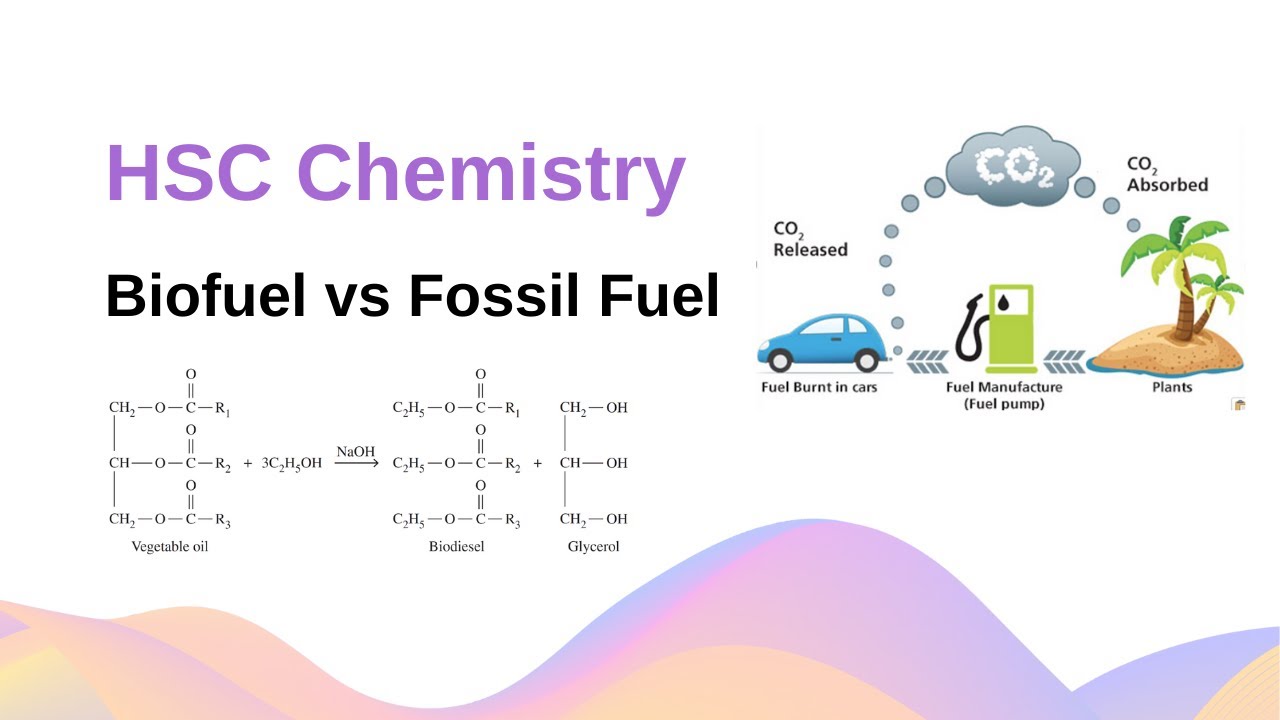
Ocean acidification is caused by increased CO2 absorption from the atmosphere, lowering the water's pH.
Sound is crucial for marine species' communication, navigation, and survival, making its study essential.
Changes in sound propagation can affect marine ecosystems, leading to potential disruptions in species interactions.