Science Fair Projects
earth sciencehard high 30 days

Analyzing the Role of Vegetation in Urban Heat Islands

This project investigates how vegetation influences temperature in urban heat islands. By comparing areas with varying plant cover, students can assess the cooling effects of vegetation.

Analyzing the Role of Vegetation in Urban Heat Islands

Hypothesis

If urban areas have more vegetation, then their ambient temperatures will be lower compared to areas with less vegetation.

Materials Needed

Infrared thermometer — 1Buy
Weather station kit — 1Buy
Mapping software — 1Buy
Measuring tape — 1Buy
Notebook — 1Buy
Digital camera — 1Buy

As an Amazon Associate, this site earns from qualifying purchases.

Step-by-Step Procedure

  1. 1

    Select multiple urban sites with varying levels of vegetation.

  2. 2

    Use mapping software to identify and document these areas.

  3. 3

    Set up a weather station at each site to monitor temperature and humidity.

  4. 4

    Measure surface temperatures at each location using an infrared thermometer.

  5. 5

    Record and compare temperature data over a month-long period.

  6. 6

    Use a digital camera to document vegetation density at each site.

  7. 7

    Analyze data to determine the relationship between vegetation and temperature.

  8. 8

    Compare findings against local weather data to validate results.

  9. 9

    Prepare a comprehensive report on the cooling effects of urban vegetation.

  10. 10

    Discuss how increased greenery could mitigate urban heat.

Expected Results

Areas with higher vegetation density are expected to have lower temperatures, highlighting the cooling benefits of urban green spaces.

Variables

Independent Variable

Vegetation density

Dependent Variable

Ambient temperature

Controlled Variables

Measurement time, Weather station setup, Site size, Data recording interval

Safety Notes

Ensure personal safety when working in urban environments and obtain permissions for site access.

Presentation Tips

  • Utilize charts and graphs to illustrate temperature differences.

  • Incorporate photos to showcase vegetation density at different sites.

  • Discuss urban planning strategies to enhance green space.

Frequently Asked Questions

What is an urban heat island?

It's an urban area significantly warmer than its surrounding rural areas due to human activities.

How does vegetation affect urban temperatures?

Vegetation provides shade and releases moisture, cooling the surrounding air.

Can these methods be applied to other cities?

Yes, this approach can be adapted to study urban heat islands in various geographical locations.

Related Projects

Animal Habitats Diorama Science Project - Explore Different Ecosystems
earth scienceeasy

Animal Habitats Diorama Science Project - Explore Different Ecosystems

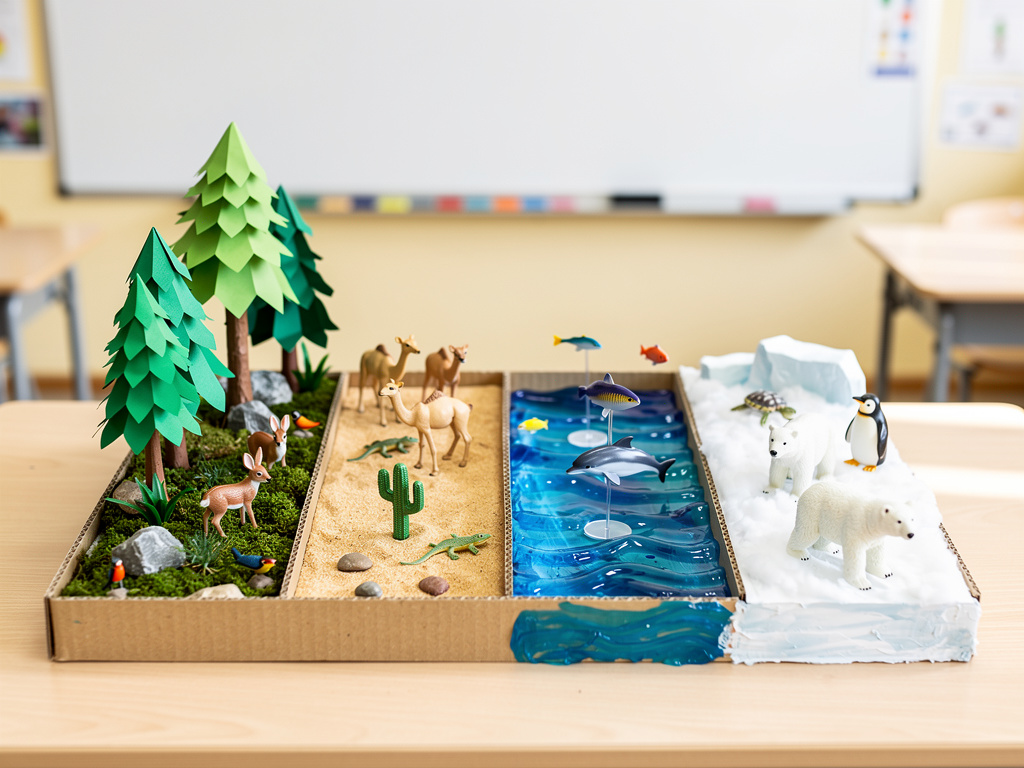
In this diorama project, students can explore various animal habitats. By creating a 3D model, they will learn about different ecosystems, the animals that live there, and their adaptations.

7 days·elementary
Aquatic Echoes: Impact of Ocean Acidification on Sound Propagation
earth sciencehard

Aquatic Echoes: Impact of Ocean Acidification on Sound Propagation

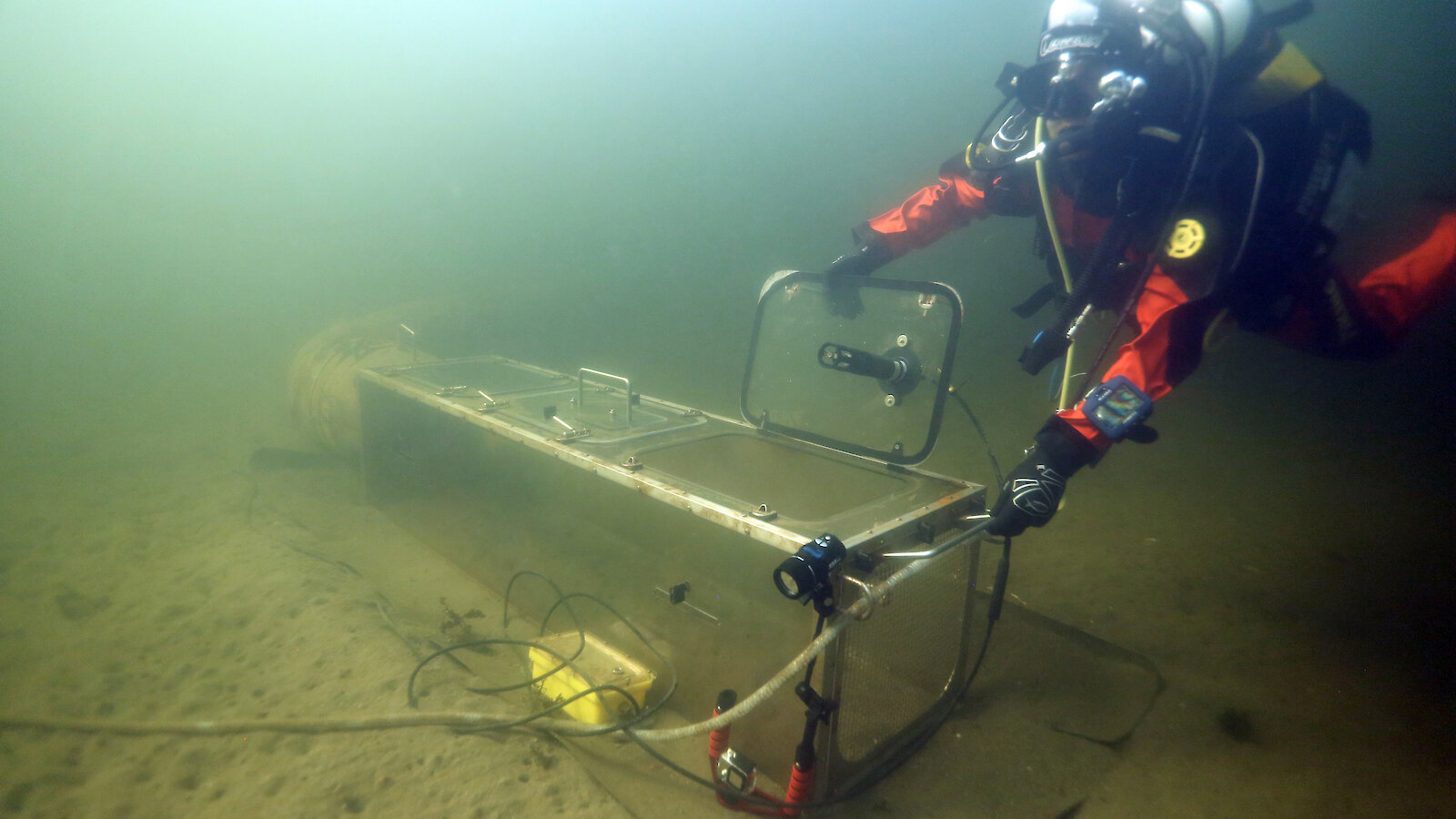
This project explores the effects of ocean acidification on how sound travels underwater. By simulating different pH levels and measuring sound speed, students will understand the environmental implications of changing ocean chemistry.

25 days·high
Biodegradable vs Plastic Decomposition Rates Science Project
earth sciencemedium

Biodegradable vs Plastic Decomposition Rates Science Project

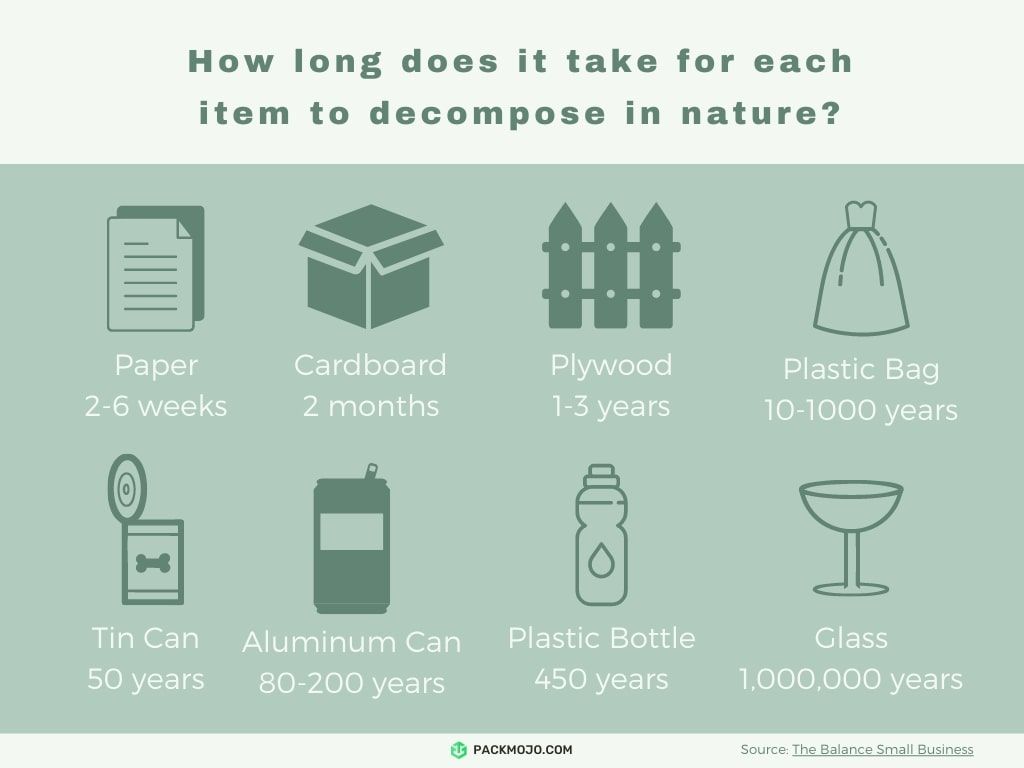
In this project, you'll compare how long biodegradable materials take to decompose versus plastic. This will shed light on pollution and waste management challenges.

10 days·middle
Biofuels Science Fair Project: Fuel Efficiency Comparison
earth sciencehard

Biofuels Science Fair Project: Fuel Efficiency Comparison

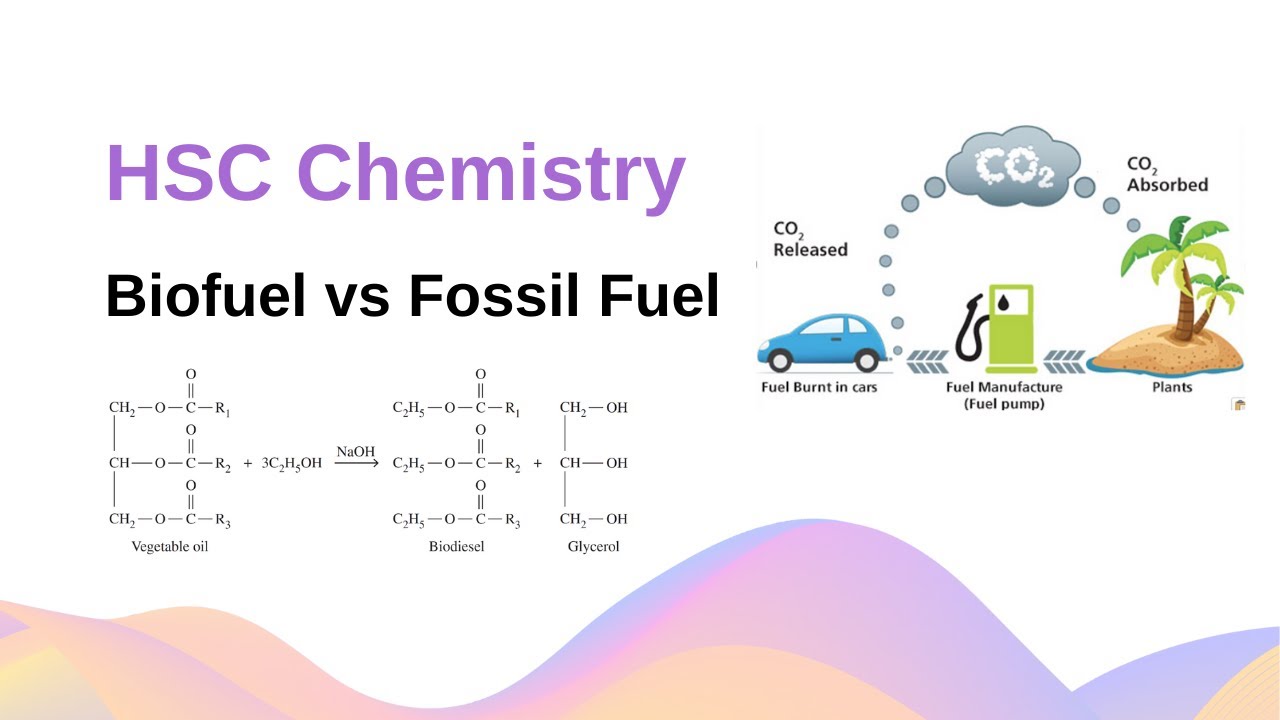
This project compares the fuel efficiency of various biofuels, such as ethanol and biodiesel. Students will conduct experiments to measure energy output and sustainability, aligning with current environmental challenges.

10 days·high
Bioremediation: Can Plants Clean Contaminated Soil Science Project
earth sciencehard

Bioremediation: Can Plants Clean Contaminated Soil Science Project

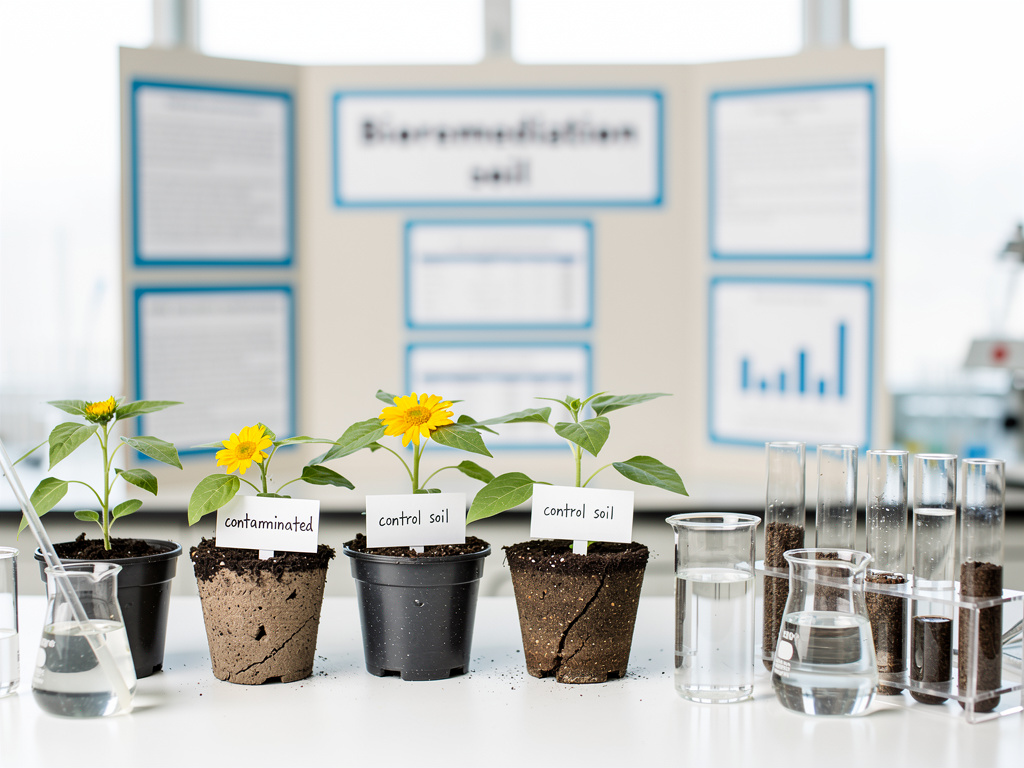
Explore the potential of plants to remediate contaminated soil. Conduct experiments to determine how effective certain plants are at absorbing pollutants!

14 days·high
Build Your Own Seismograph for Science Fair
earth sciencemedium

Build Your Own Seismograph for Science Fair

Learn how to build a seismograph that can detect vibrations using simple materials. This project provides insight into seismic activities and how they are measured.

10 days·middle

Like this project? Get more ideas!