Analyzing the Role of Vegetation in Urban Heat Islands
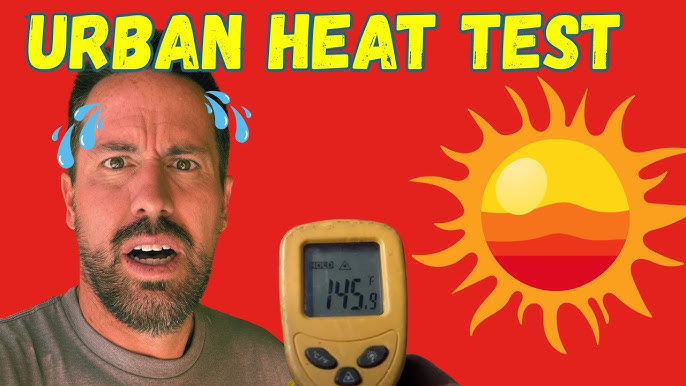
This project investigates how vegetation influences temperature in urban heat islands. By comparing areas with varying plant cover, students can assess the cooling effects of vegetation.
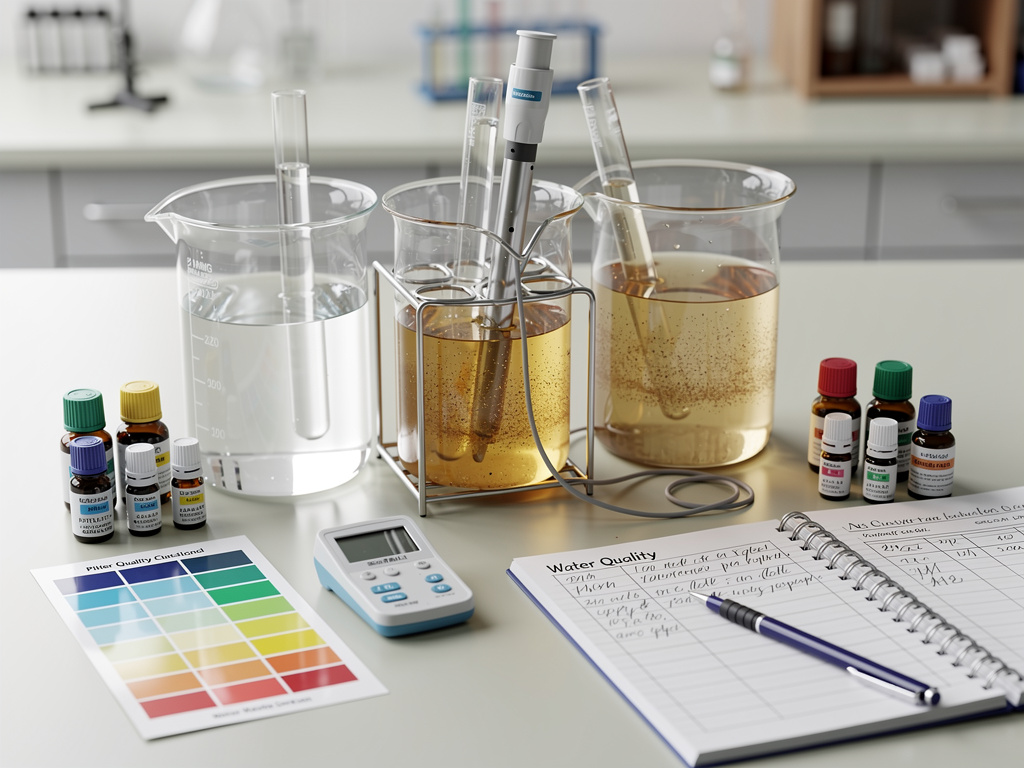
Analyze water samples from local streams and lakes to assess their quality. Learn about environmental health and the impact of pollution on ecosystems!

Water samples from more developed areas will show lower quality due to higher pollution levels compared to rural areas.
As an Amazon Associate, this site earns from qualifying purchases.
Select multiple water sources from local streams and lakes.
Collect water samples using clean bottles.
Label each sample with its source.
Test pH and dissolved oxygen levels using kits.
Record the temperature of each sample.
Analyze the data for comparisons.
Research local pollution sources affecting water quality.
Prepare a report on your findings.
It is anticipated that water from more urbanized areas will show lower quality parameters, such as pH and dissolved oxygen levels.
location of water source
water quality parameters
sample collection method, time of day, weather conditions
Wear gloves when handling water samples and avoid contact with contaminated areas.
Create graphs to display water quality results.
Include photos of the water sources you tested.
Discuss the significance of water quality monitoring.
Engage the audience with questions about local water issues.
Prepare a summary of potential solutions to improve water quality.
Pollution, temperature, and biological factors can all influence water quality.
pH affects the solubility and biological availability of chemical constituents in water.
Yes, testing your tap water can provide insights into its quality.