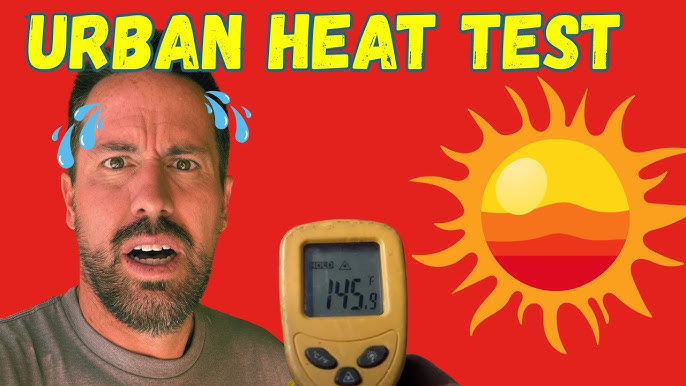
Analyzing the Role of Vegetation in Urban Heat Islands
This project investigates how vegetation influences temperature in urban heat islands. By comparing areas with varying plant cover, students can assess the cooling effects of vegetation.
Learn how to build a seismograph that can detect vibrations using simple materials. This project provides insight into seismic activities and how they are measured.

If I build a seismograph using common materials, then it will accurately detect vibrations caused by movement.
As an Amazon Associate, this site earns from qualifying purchases.
Cut a piece of cardboard to create a base.
Construct a vertical stand using cardboard pieces.
Attach a glass jar to the stand using tape.
Hang a weight from the top using string.
Place a sheet of paper under the weight.
Mark the starting position of the weight.
Create vibrations by tapping the base.
Observe and record the movements on the paper.
The seismograph should record the vibrations on paper, showing how far the weight moved. This data can demonstrate the strength of the vibrations detected.
Amount of vibration
Distance the weight moves
Type of paper, Size of weight, Length of string
Be careful when using scissors and weights to avoid injury.
Use visuals to show how the seismograph works.
Include data and graphs from your tests.
Explain the importance of seismographs in real-life applications.
Practice speaking clearly about your findings.
A seismograph is an instrument that measures and records the motion of the ground during seismic events.
While this model is simplified, it effectively demonstrates the basic principles of a real seismograph.
This model can help you understand how seismographs work but is not sensitive enough for actual earthquake detection.