Analyzing the Role of Vegetation in Urban Heat Islands
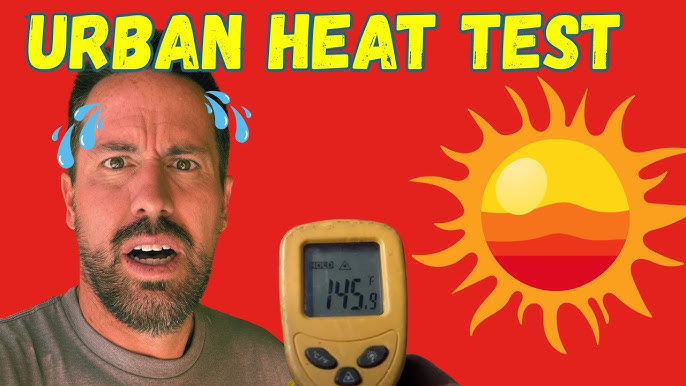
This project investigates how vegetation influences temperature in urban heat islands. By comparing areas with varying plant cover, students can assess the cooling effects of vegetation.
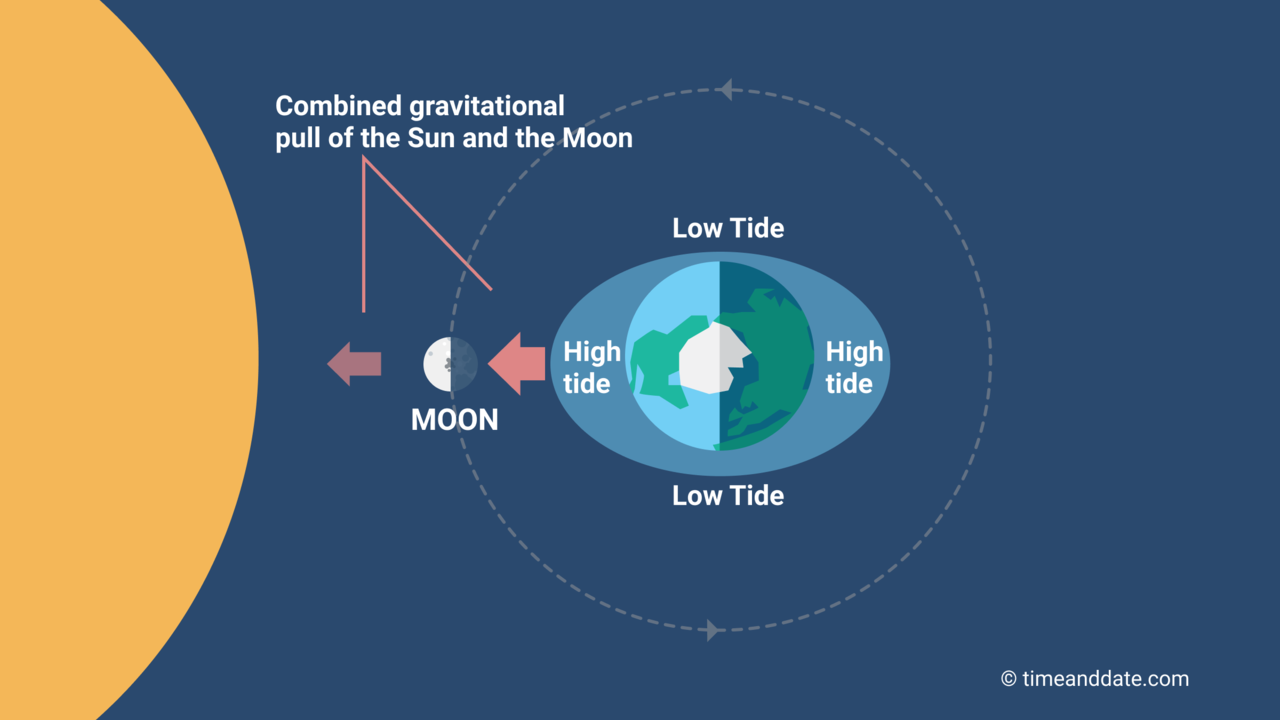
Investigate how moon phases impact tidal patterns in this project. By recording tidal changes over a lunar month, you'll uncover the connection between astronomy and ocean science.

If I observe tidal patterns over the lunar cycle, then tides will be higher during the full moon and new moon phases.
As an Amazon Associate, this site earns from qualifying purchases.
Obtain a tide table for your local area.
Document tidal heights at different times over a month.
Record the corresponding moon phases for each observation.
Take photographs of the tidal area to document levels.
Analyze the correlation between moon phases and tidal heights.
Graph the data to visualize the relationship.
Summarize findings in your notebook.
Prepare to present your conclusions.
The data should show that tides are generally higher during full and new moon phases, demonstrating the moon's gravitational influence on ocean tides.
Moon phase
Tidal heights
Location of measurements, Time of day, Weather conditions
Be cautious near water and ensure you have adult supervision if necessary.
Create a visual timeline showing moon phases and tidal changes.
Use graphs to represent your findings clearly.
Discuss the scientific principles behind tides and lunar influence.
Engage the audience with interactive questions.
Tides change due to the gravitational pull of the moon and sun on Earth’s waters.
Tides typically occur twice daily, with variations based on lunar and solar positions.
Yes, factors like wind and atmospheric pressure can also influence tidal patterns.