Analyzing the Role of Vegetation in Urban Heat Islands
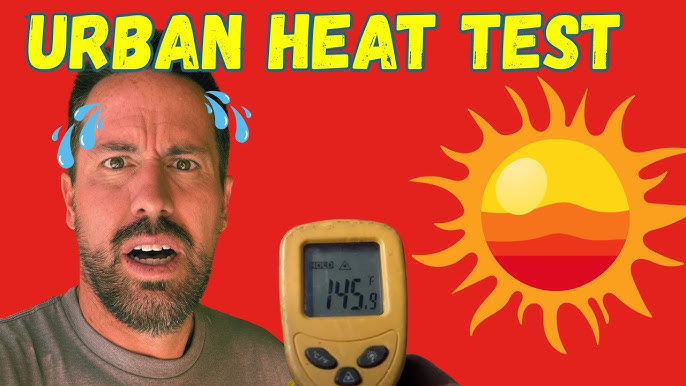
This project investigates how vegetation influences temperature in urban heat islands. By comparing areas with varying plant cover, students can assess the cooling effects of vegetation.
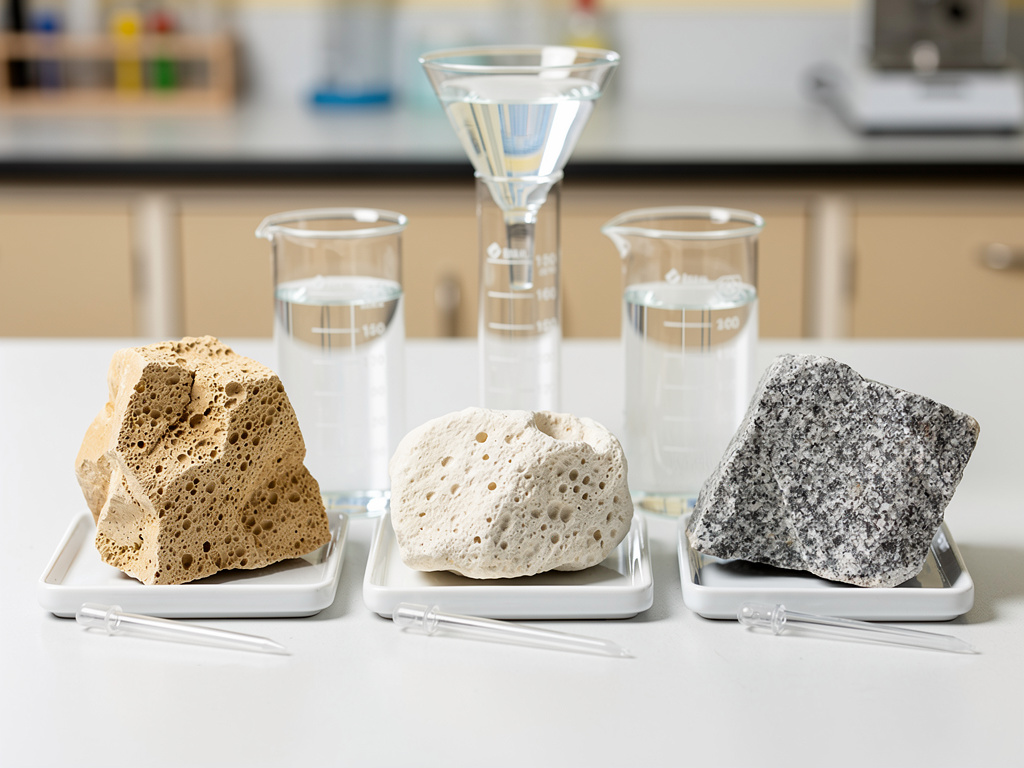
This project tests the porosity and permeability of sandstone, limestone, and granite. By measuring water absorption and flow rates, you'll discover how these properties affect water movement through rocks.

If a rock is more porous, then it will absorb more water and have higher permeability.
As an Amazon Associate, this site earns from qualifying purchases.
Weigh each rock sample and record the initial weight.
Submerge each rock in water for a set amount of time, like 30 minutes.
Remove the rocks and let excess water drip off.
Weigh each rock again to determine water absorption.
Measure the time it takes for a set volume of water to pass through each rock.
Record the flow rate for each rock type.
Compare the absorption and flow rates to evaluate porosity and permeability.
Analyze which rock is most porous and permeable.
Sandstone is expected to show higher porosity and permeability compared to limestone and granite due to its composition and structure.
Type of rock
Water absorption and flow rate
Volume of water used, Submersion time, Rock size
Handle rocks carefully to avoid injury.
Use bar graphs to show porosity and permeability results.
Explain why different rocks have varying properties.
Include a diagram of water flow through rocks.
Porosity is the measure of how much empty space is in a rock.
Permeability determines how easily fluids can move through a rock.
Yes, testing additional rocks can provide more insights into their properties.