
Science Fair Projects
earth scienceeasy elementary 10 days

Soil Moisture Sleuth: Investigating Water Retention

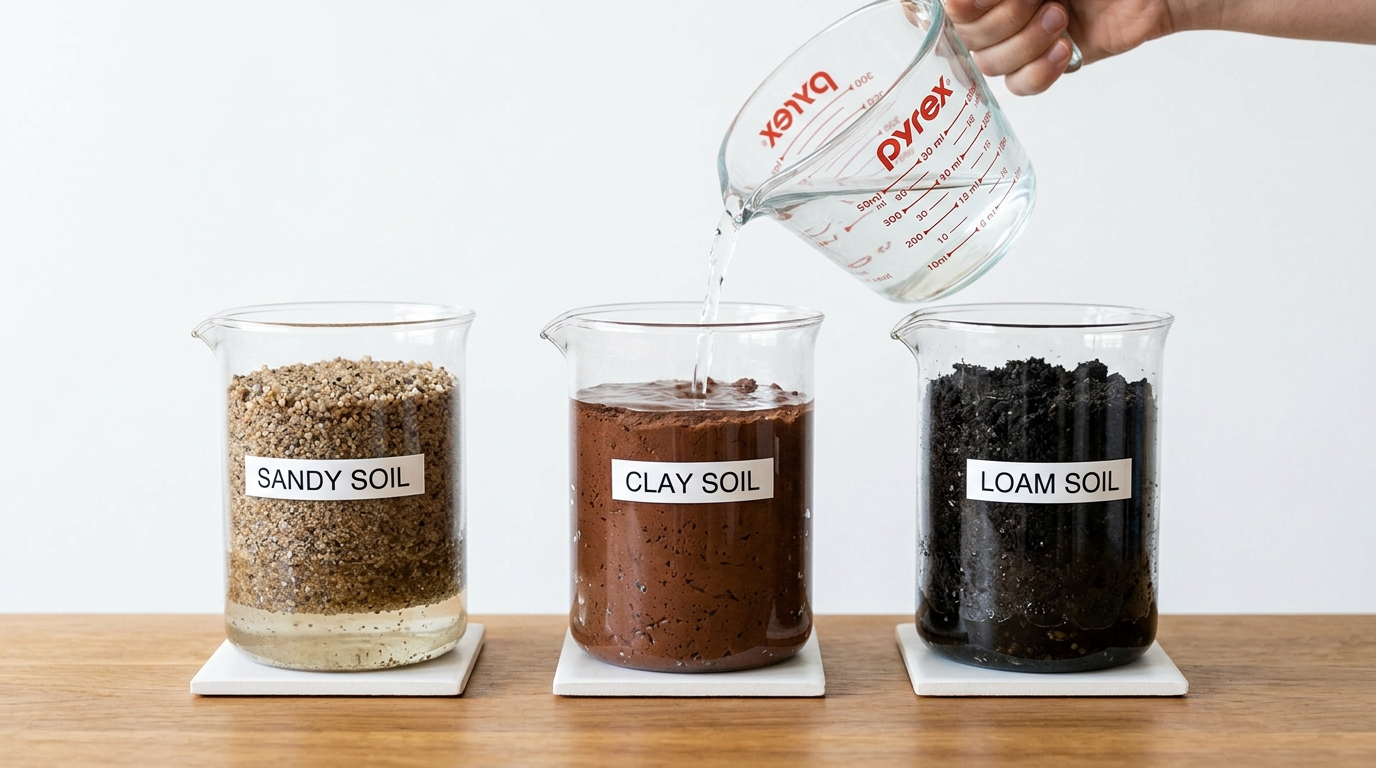
Students will compare the water retention capacities of various soil types by measuring moisture levels over time. This project helps understand the relationship between soil composition, water absorption, and its effect on ecosystem health.

Soil Moisture Sleuth: Investigating Water Retention

Hypothesis

If a soil type has larger particles, then it will retain less water compared to soils with smaller particles.

Materials Needed

Soil samples (sand, clay, loam) — 3Buy
Clear plastic containers — 3Buy
Water — 1Buy
Measuring cup — 1Buy
Scale — 1Buy
Notebook — 1Buy

As an Amazon Associate, this site earns from qualifying purchases.

Step-by-Step Procedure

  1. 1

    Label each container with a different soil type.

  2. 2

    Fill containers with an equal amount of soil.

  3. 3

    Measure and add a specific amount of water to each soil type.

  4. 4

    Weigh each container to measure initial wet weight.

  5. 5

    Record initial water level and soil texture observations.

  6. 6

    Place containers in a sunny location for evaporation.

  7. 7

    Weigh each container daily to track moisture loss.

  8. 8

    Record and analyze the rate at which each soil type loses moisture over time.

Expected Results

Soils with smaller particles, like clay, will retain more water than sandy soils. This illustrates how soil texture affects water retention and availability for plants.

Variables

Independent Variable

Type of soil

Dependent Variable

Amount of water retained

Controlled Variables

Amount of soil, Amount of water added, Exposure to sunlight

Safety Notes

Handle soil samples carefully to avoid mess. Clean up any water spills immediately.

Presentation Tips

  • Include visual aids like graphs to show moisture retention differences.

  • Display soil samples for audience to observe texture variations.

  • Discuss the importance of water retention in agriculture and gardening.

Frequently Asked Questions

Why do different soils retain water differently?

Soil particle size and composition affect its porosity and ability to hold water.

What is loam?

Loam is a balanced soil mixture of sand, silt, and clay, known for its fertility and water retention properties.

Can this experiment use other soil types?

Yes, experimenting with different soils like peat or gravel can provide additional insights.

Related Projects

Analyzing the Role of Vegetation in Urban Heat Islands
earth sciencehard

Analyzing the Role of Vegetation in Urban Heat Islands

This project investigates how vegetation influences temperature in urban heat islands. By comparing areas with varying plant cover, students can assess the cooling effects of vegetation.

30 days·high
Animal Habitats Diorama Science Project - Explore Different Ecosystems
earth scienceeasy

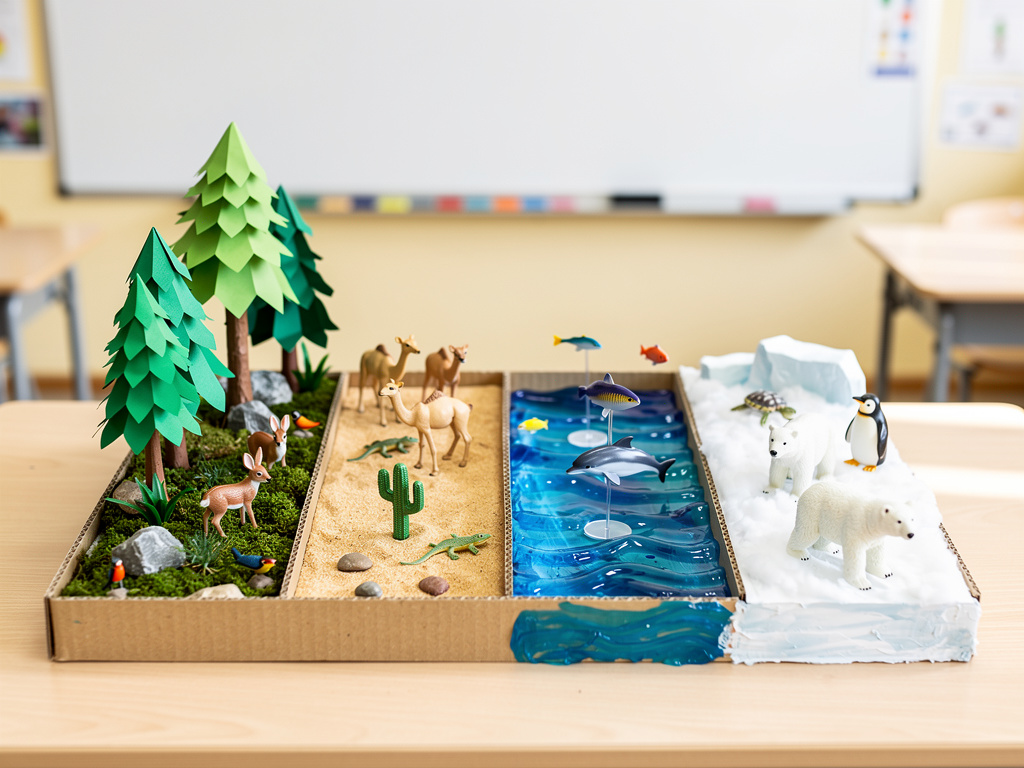
Animal Habitats Diorama Science Project - Explore Different Ecosystems

In this diorama project, students can explore various animal habitats. By creating a 3D model, they will learn about different ecosystems, the animals that live there, and their adaptations.

7 days·elementary
Aquatic Echoes: Impact of Ocean Acidification on Sound Propagation
earth sciencehard

Aquatic Echoes: Impact of Ocean Acidification on Sound Propagation

This project explores the effects of ocean acidification on how sound travels underwater. By simulating different pH levels and measuring sound speed, students will understand the environmental implications of changing ocean chemistry.

25 days·high
Biodegradable vs Plastic Decomposition Rates Science Project
earth sciencemedium

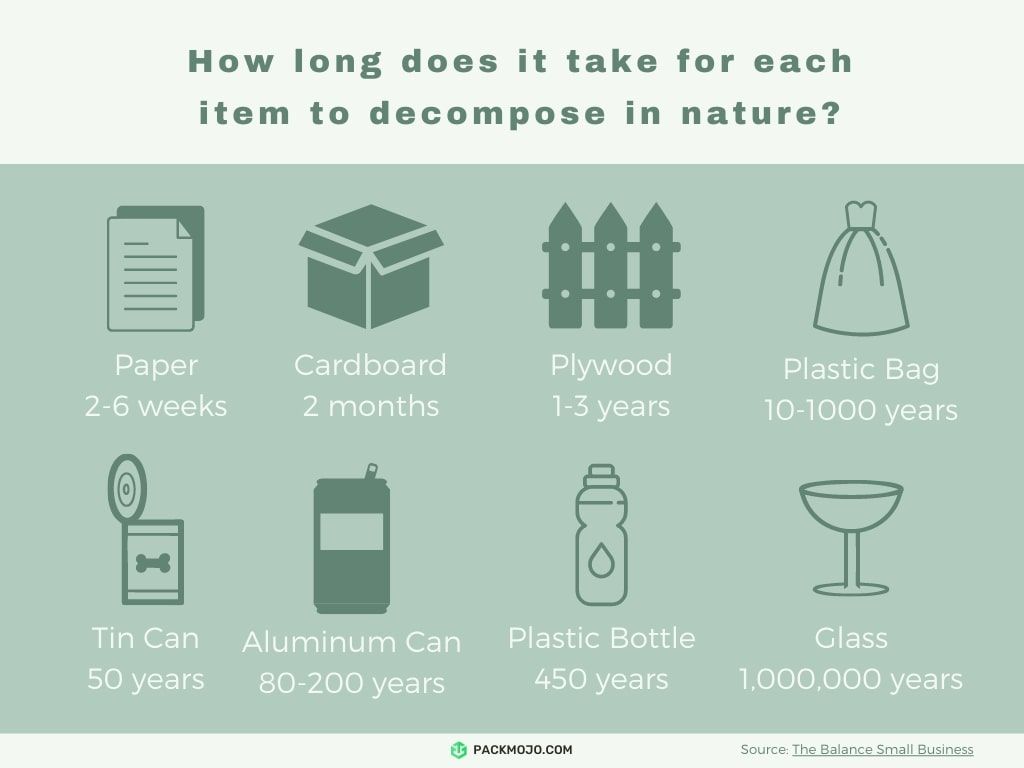
Biodegradable vs Plastic Decomposition Rates Science Project

In this project, you'll compare how long biodegradable materials take to decompose versus plastic. This will shed light on pollution and waste management challenges.

10 days·middle
Biofuels Science Fair Project: Fuel Efficiency Comparison
earth sciencehard

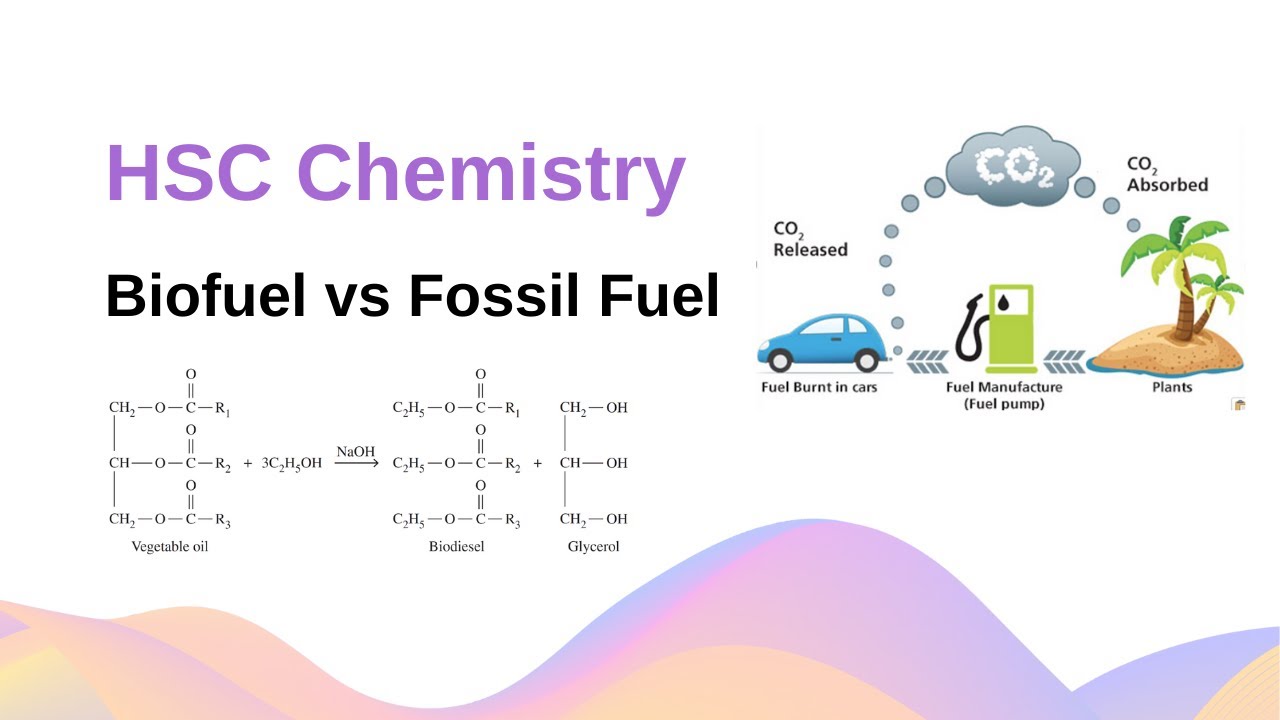
Biofuels Science Fair Project: Fuel Efficiency Comparison

This project compares the fuel efficiency of various biofuels, such as ethanol and biodiesel. Students will conduct experiments to measure energy output and sustainability, aligning with current environmental challenges.

10 days·high
Bioremediation: Can Plants Clean Contaminated Soil Science Project
earth sciencehard

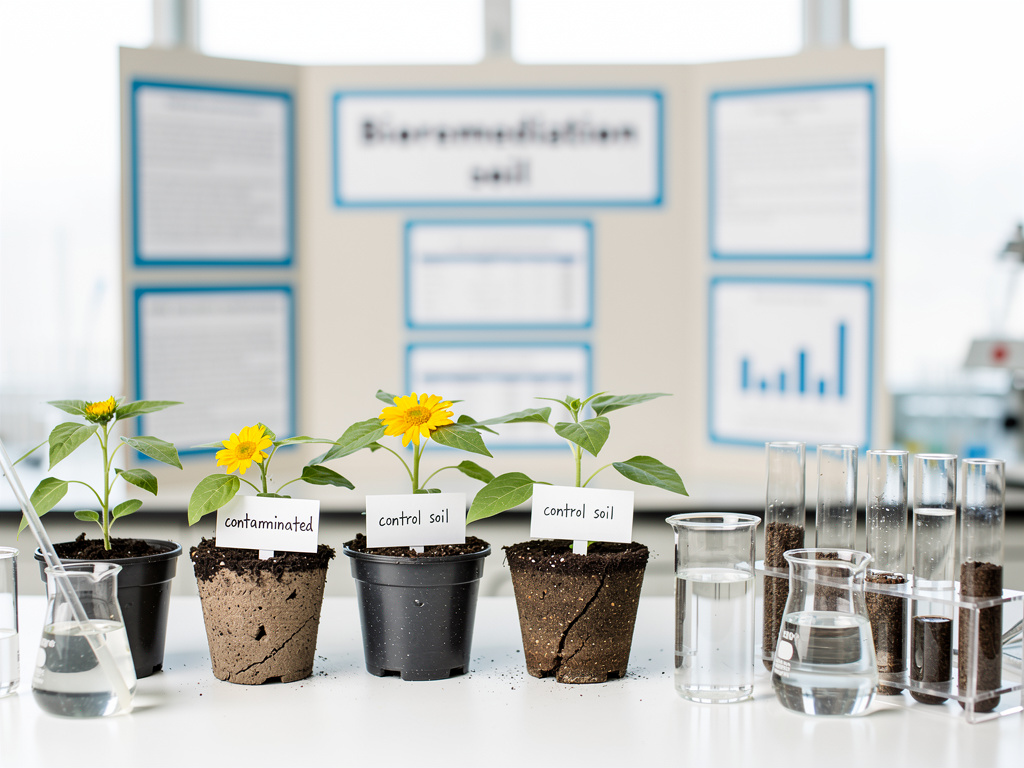
Bioremediation: Can Plants Clean Contaminated Soil Science Project

Explore the potential of plants to remediate contaminated soil. Conduct experiments to determine how effective certain plants are at absorbing pollutants!

14 days·high

Like this project? Get more ideas!