Analyzing the Role of Vegetation in Urban Heat Islands
This project investigates how vegetation influences temperature in urban heat islands. By comparing areas with varying plant cover, students can assess the cooling effects of vegetation.
In this project, students will investigate and layer various soil types to understand the composition of the ground beneath us. This hands-on experiment highlights the importance of soil in our ecosystem.

If I layer different types of soil, then I will be able to identify and understand the unique properties of each soil layer.
As an Amazon Associate, this site earns from qualifying purchases.
Collect different soil samples and ensure they are dry.
Label each soil type for identification.
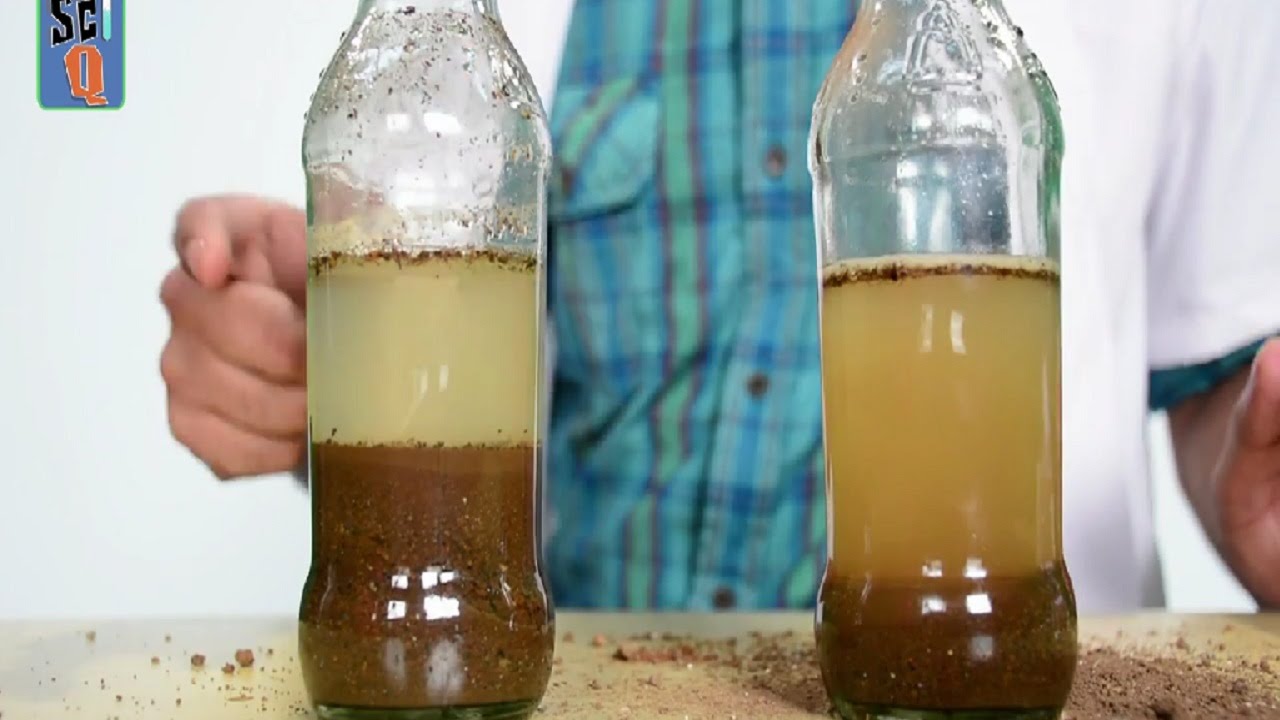
Layer each soil type in the clear container, starting from the bottom.
Use the ruler to measure the thickness of each layer and record it.
Add a small amount of water to observe drainage and saturation.
Take notes on the texture and color of each soil layer.
Discuss the importance of each soil type in the environment.
Present your findings and observations at the science fair.
You will have a clear representation of soil layers, showcasing the differences in texture, color, and properties. This experiment will enhance understanding of soil's role in ecosystems.
Type of soil used
Thickness and appearance of soil layers
Volume of water added, Container size, Order of layering
Wash your hands after handling soil. Ensure no soil is ingested during the experiment.
Create a visual diagram of soil layers for clarity.
Engage the audience with questions about soil types.
Share fun facts about the role of soil in ecosystems.
Demonstrate water drainage with your soil layers.
Use common types like sand, clay, and loam for variety.
The soil should feel crumbly and not clump together.
Soil provides nutrients for plants, supports ecosystems, and helps filter water.