Analyzing the Role of Vegetation in Urban Heat Islands
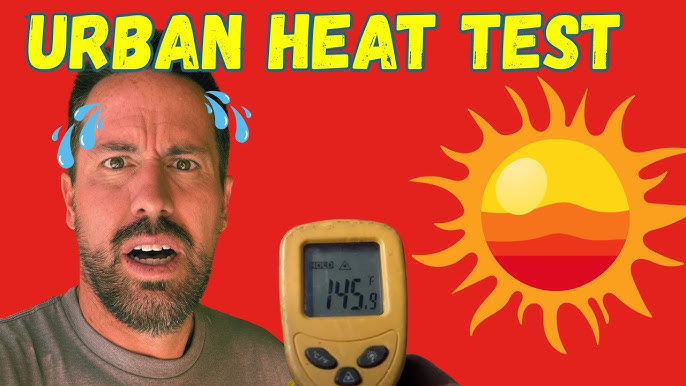
This project investigates how vegetation influences temperature in urban heat islands. By comparing areas with varying plant cover, students can assess the cooling effects of vegetation.
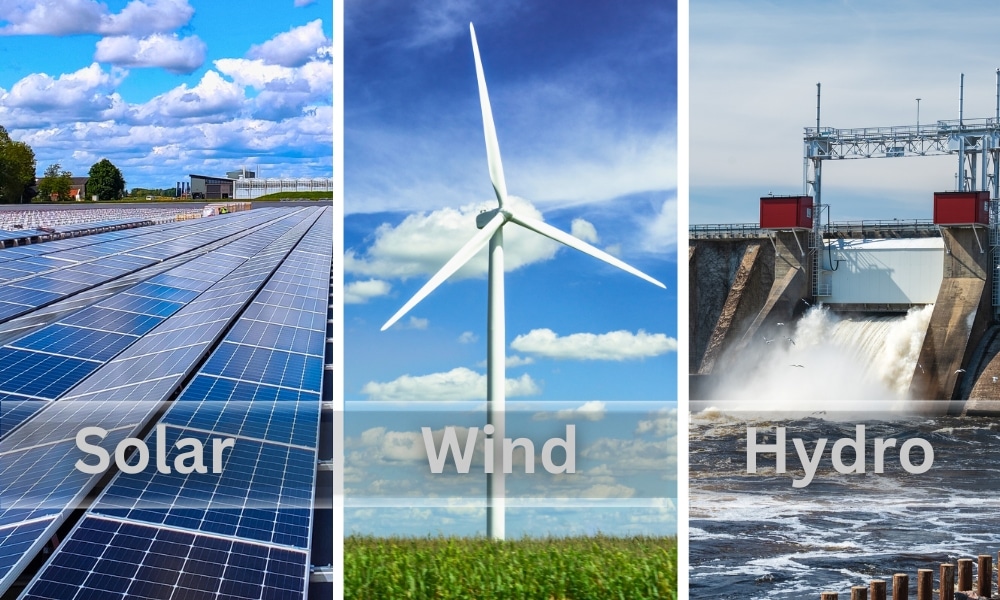
In this project, you'll compare the efficiency of solar panels and wind turbines in generating energy. Conduct experiments, gather data, and analyze which renewable source is more effective. Ideal for high school science fairs!

Solar panels will generate more energy than wind turbines under similar environmental conditions.
As an Amazon Associate, this site earns from qualifying purchases.
Set up the solar panel in a sunny location.
Set up the mini wind turbine in an open area with wind.
Connect both to the multimeter to measure energy output.
Record environmental conditions (temperature, wind speed).
Measure energy generation at different times of the day.
Analyze the data collected between solar and wind energy.
Compare the efficiencies and draw conclusions.
Present your findings with graphs and charts.
The results will likely show differences in energy production efficiency, with variations based on environmental conditions for both solar and wind energy.
Type of renewable energy source
Energy generated (voltage and current)
Time of day, Environmental conditions, Equipment used
Handle electrical components safely and ensure stable setups to avoid tipping over during wind experiments.
Use visual aids like graphs to illustrate energy comparisons.
Include charts documenting environmental conditions.
Explain the benefits and limitations of each energy source.
Be prepared to discuss future implications of renewable energy.
Renewable energy comes from sources that are naturally replenished, like solar and wind.
Solar panels convert sunlight into electricity using photovoltaic cells.
Wind energy is a clean source of electricity that reduces dependency on fossil fuels.