Science Fair Projects
earth scienceeasy elementary 10 days

Rain Gauge Reporter: Measure Your Precipitation

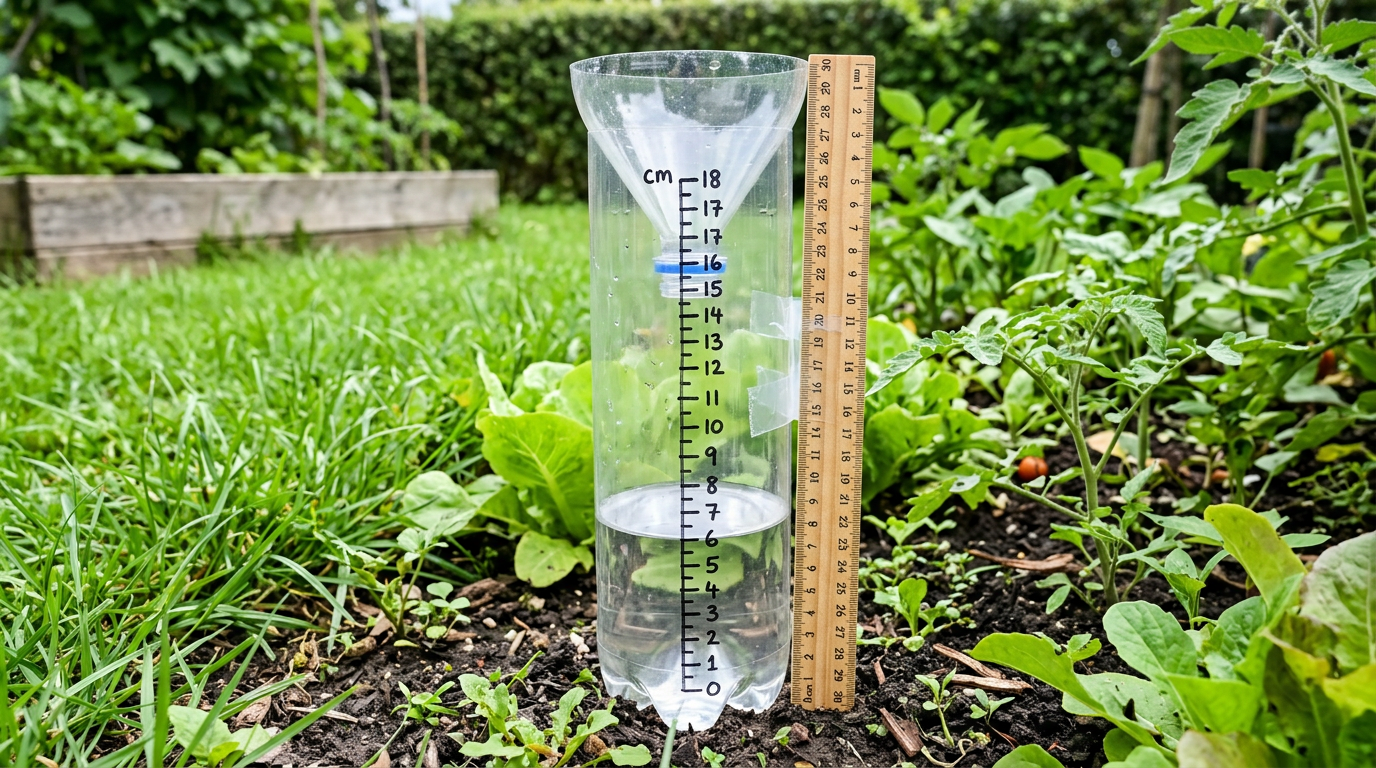
Students will create their own rain gauge using household items to monitor rainfall over a period of time. They will record daily precipitation levels, analyze the data, and discuss how rain affects their local environment.

Rain Gauge Reporter: Measure Your Precipitation

Hypothesis

If it rains heavily, then the rain gauge will collect more water compared to lighter rainfall days.

Materials Needed

Plastic bottle1Buy
Scissors1Buy
Ruler1Buy
Permanent marker1Buy
Rocks or pebbles10Buy
Notebook1Buy
Waterproof tape1Buy

As an Amazon Associate, this site earns from qualifying purchases.

Step-by-Step Procedure

  1. 1

    Cut the top of the plastic bottle and invert it into the bottom part to create a funnel.

  2. 2

    Use rocks to stabilize the bottle's base.

  3. 3

    Mark the side of the bottle with equally spaced measurement lines using a ruler and marker.

  4. 4

    Place the rain gauge in an open area away from obstructions.

  5. 5

    After it rains, measure the water level in the gauge and record it daily in the notebook.

  6. 6

    Empty the gauge after each measurement.

  7. 7

    Continue to check and record precipitation over 10 days.

  8. 8

    Analyze any patterns or trends from the data collected.

Expected Results

The rain gauge will accurately measure variations in daily rainfall, providing insights into local weather patterns and helping understand precipitation's impact.

Variables

Independent Variable

Weather conditions (rain intensity)

Dependent Variable

Amount of rainfall collected

Controlled Variables

Type of rain gauge used, Placement location, Measurement technique

Safety Notes

Be careful when using scissors and ensure the rain gauge is placed in a safe, stable location.

Presentation Tips

  • Use charts to show daily rainfall data collected.

  • Include photos of the rain gauge throughout the project.

  • Explain the importance of rainfall measurement in understanding climate and agriculture.

Frequently Asked Questions

Like this project? Get more ideas!