Analyzing the Role of Vegetation in Urban Heat Islands
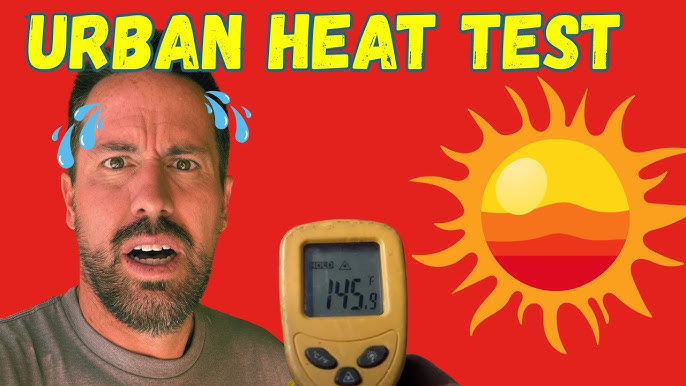
This project investigates how vegetation influences temperature in urban heat islands. By comparing areas with varying plant cover, students can assess the cooling effects of vegetation.
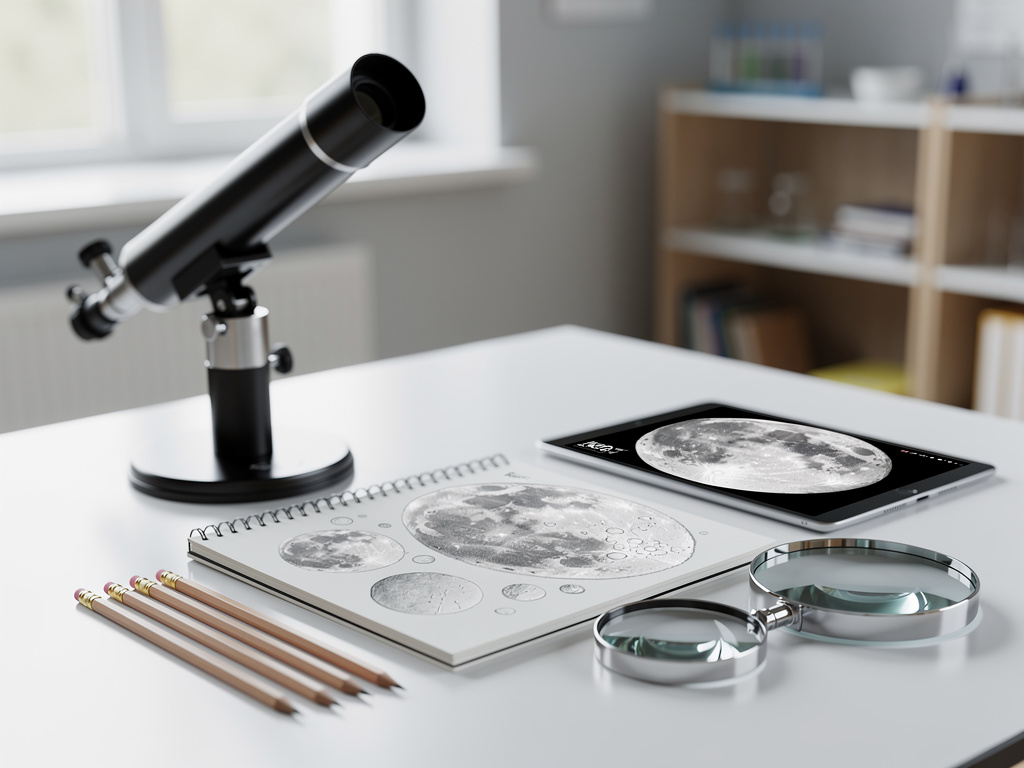
This project involves observing and sketching the moon's surface features over a lunar cycle. By comparing craters and maria, students will gain a better understanding of the moon's geography.

If the moon is observed each night, then changes in the visibility of its craters will help identify surface features.
As an Amazon Associate, this site earns from qualifying purchases.
Set up a telescope or binoculars to observe the moon each night.
Use a flashlight to illuminate your sketchbook as you work.
Sketch visible craters and maria on the moon's surface each night.
Label the features using a lunar map for reference.
Note the date and time of each observation.
Compare sketches from different nights to observe changes.
Analyze how different phases of the moon affect visibility of features.
Compile your sketches into a lunar surface map.
Share your findings and discuss the moon's surface geography.
Changes in lighting and angles will make different craters and maria more or less visible over the lunar cycle, providing a detailed view of the moon's surface.
Phase of the moon
Visibility of craters and maria
Observation time, Viewing equipment, Weather conditions
Ensure that the telescope or binoculars are securely mounted to prevent accidents.
Display a sequence of your sketches showing changes over the lunar cycle.
Explain the formation of craters and maria.
Use a lunar map to help identify and label features.
Discuss how the moon's phases affect crater visibility.
The changing angles of sunlight during the lunar cycle affect the visibility of craters.
Maria are large, dark, basaltic plains on the moon, formed by ancient volcanic eruptions.
While a telescope provides the best view, binoculars can also be used to observe larger features.