Analyzing the Role of Vegetation in Urban Heat Islands
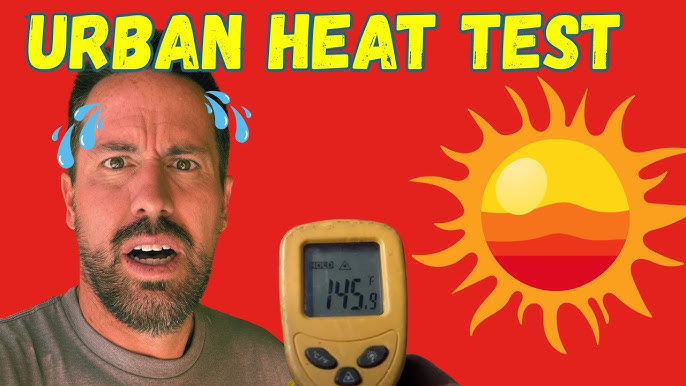
This project investigates how vegetation influences temperature in urban heat islands. By comparing areas with varying plant cover, students can assess the cooling effects of vegetation.
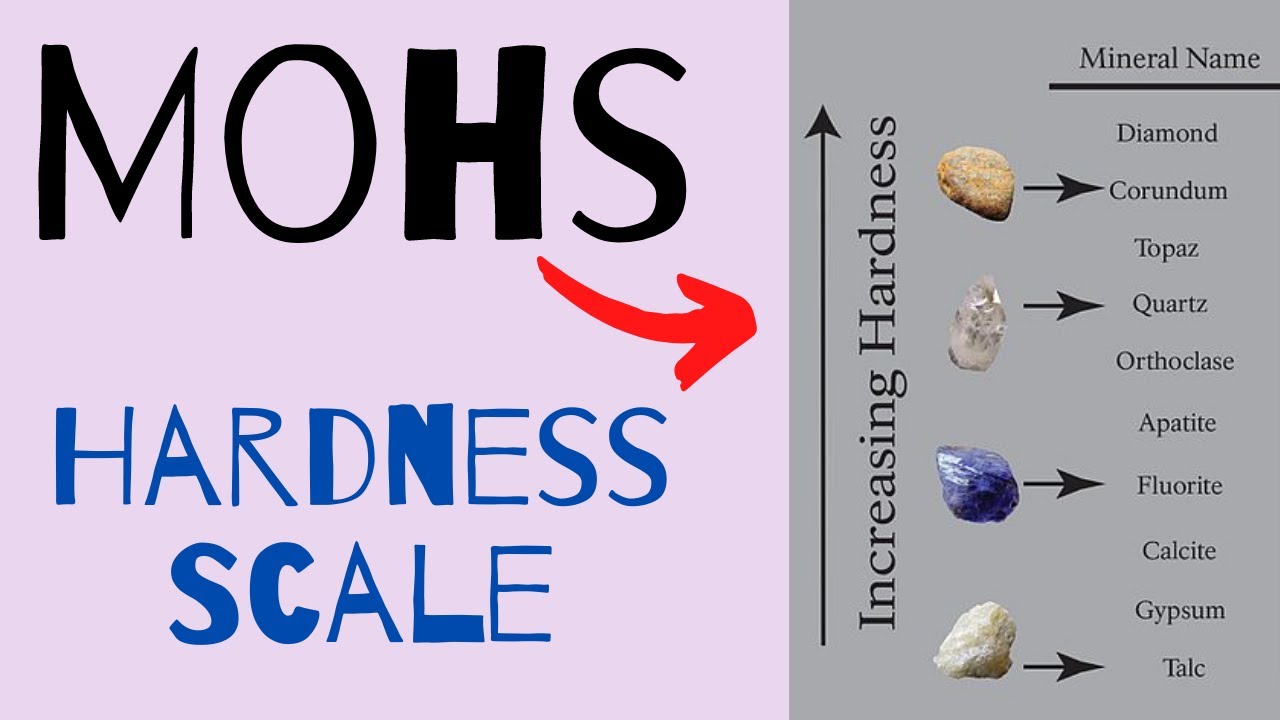
This project focuses on testing different minerals' hardness using the Mohs scale. Students learn to identify minerals based on their scratch resistance and gain insight into geology.

If I test various minerals against the Mohs hardness scale, then I will be able to classify them based on their scratch resistance.
As an Amazon Associate, this site earns from qualifying purchases.
Gather different mineral samples for testing.
Familiarize yourself with the Mohs hardness scale.
Using the scratch paper, attempt to scratch each mineral with tools of varying hardness.
Record which minerals are scratched and which are not.
Classify each mineral based on its hardness.
Create a chart showing your findings.
Discuss how hardness relates to mineral properties.
Present your results at the science fair.
You should be able to classify the minerals based on their hardness, demonstrating the Mohs hardness scale's practical application in geology.
Type of minerals tested
Hardness classification
Testing method, Scratch tool type, Sample size
Wear safety goggles while testing to avoid injury from mineral fragments. Handle all samples with care.
Create a visual chart to display your findings.
Explain the Mohs hardness scale and its significance.
Engage the audience with questions about minerals.
Discuss real-world applications of hardness testing.
It is a scale that ranks minerals based on their ability to scratch one another.
Yes, you can test everyday objects like glass or metal.
It's common; some minerals may fall between rankings.