Analyzing the Role of Vegetation in Urban Heat Islands
This project investigates how vegetation influences temperature in urban heat islands. By comparing areas with varying plant cover, students can assess the cooling effects of vegetation.
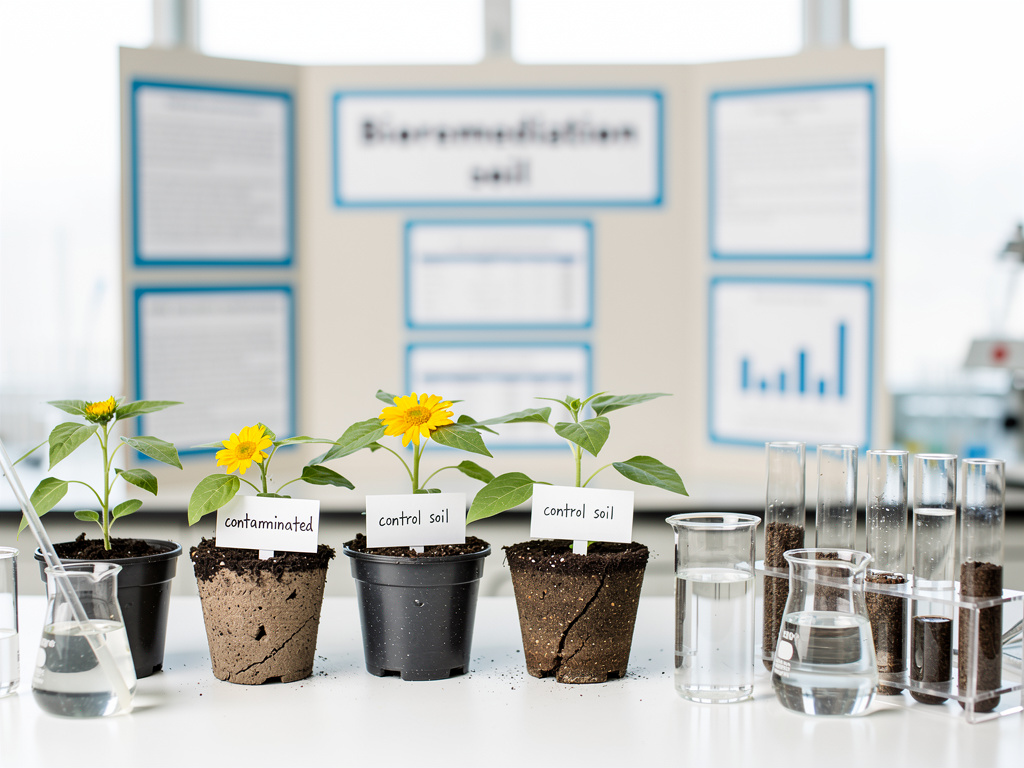
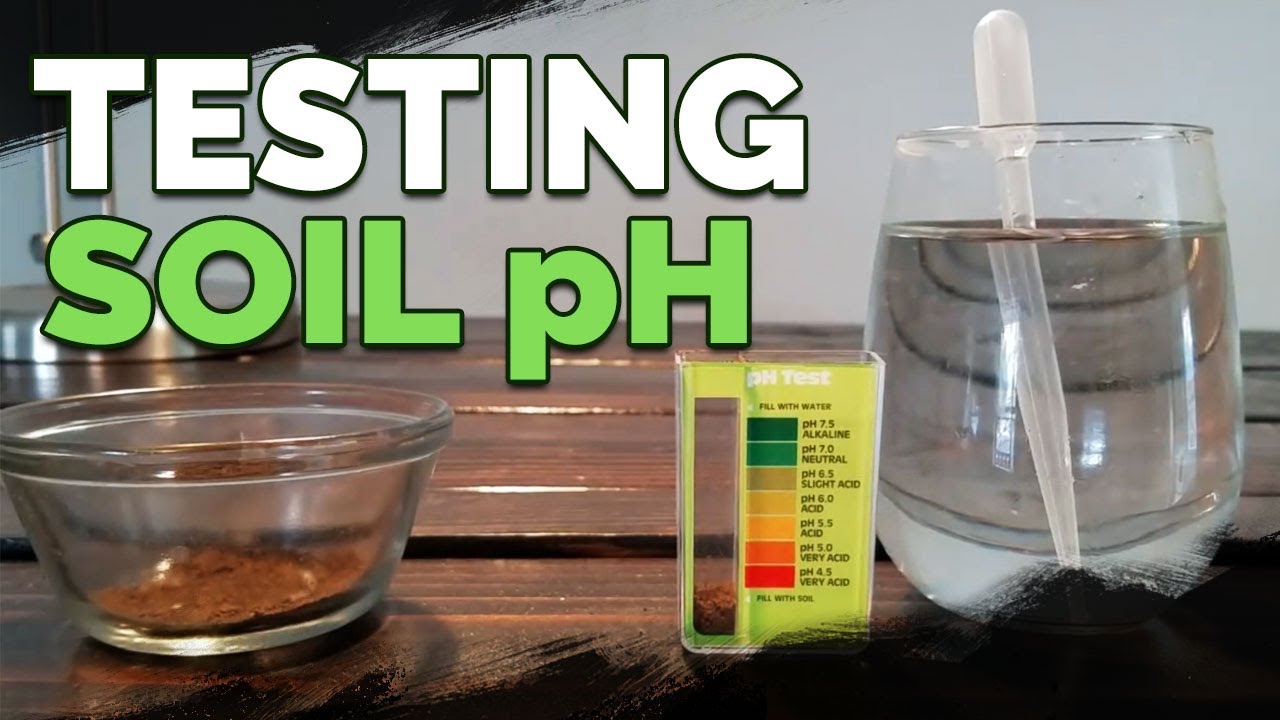
Students will test how different soil pH levels affect plant growth. By adjusting soil pH and observing plant health and growth, students will learn about the importance of pH in agriculture.

If the soil pH is too acidic or alkaline, then plant growth will be stunted compared to plants in neutral pH soil.
As an Amazon Associate, this site earns from qualifying purchases.
Step 1: Gather all materials and label pots with different pH levels.
Step 2: Adjust soil pH in each pot using vinegar to lower and baking soda to raise the pH.
Step 3: Plant seeds in each pot with adjusted pH soil.
Step 4: Water the soil lightly and place pots in sunlight.
Step 5: Use the pH test kit to ensure correct pH levels are maintained.
Step 6: Measure plant growth every three days with a ruler.
Step 7: Record growth data and compare plant health.
Step 8: Continue observations for two weeks.
Step 9: Analyze which pH level produced the best plant growth.
Step 10: Conclude how soil pH affects plant growth.
Plants in neutral pH soil are expected to grow better compared to those in very acidic or alkaline soils, demonstrating the importance of balanced pH for optimal plant health.
Soil pH level
Plant growth (height)
Type of plant, Amount of sunlight, Watering frequency
Use caution when handling vinegar and baking soda. Wear gloves if necessary.
Display a graph showing plant growth at different pH levels.
Include photos of plants over time.
Discuss real-world implications for agriculture.
pH is a measure of how acidic or basic a substance is, on a scale of 0-14.
Soil pH affects nutrient availability, which is crucial for plant growth.
Yes, but results may vary as different plants have different pH preferences.