
Science Fair Projects
earth sciencemedium middle 14 days

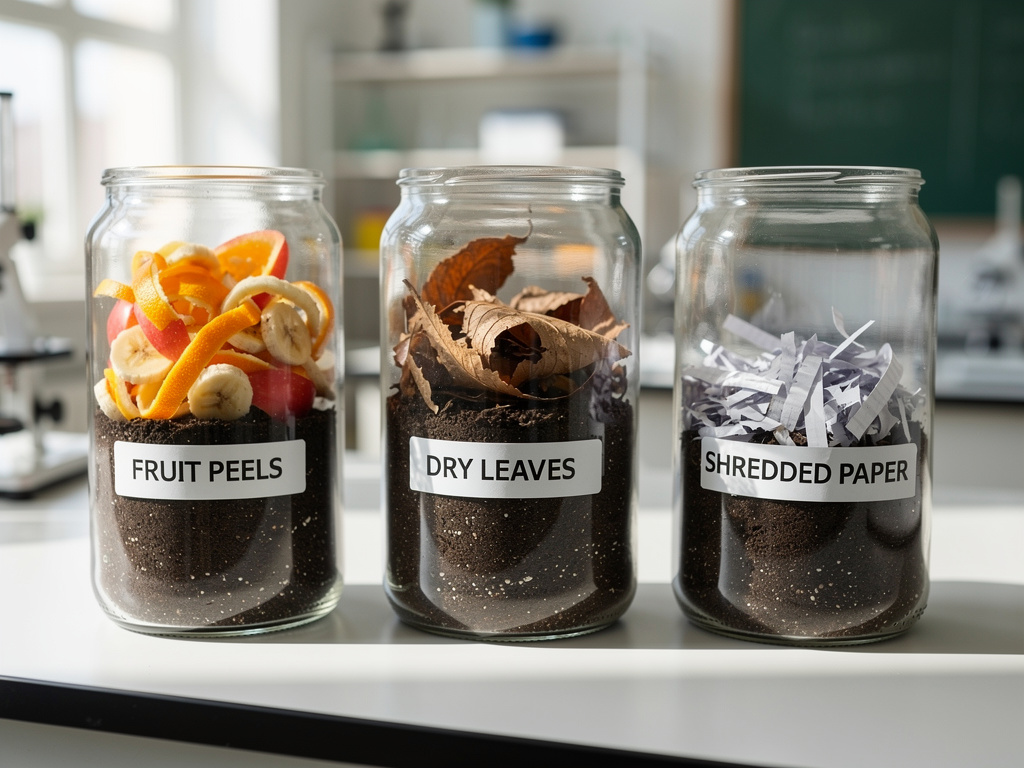
Composting Experiment - What Decomposes Fastest?

This experiment allows students to create a composting setup and observe the decomposition process. By using various organic materials, they can study which items break down the fastest and learn about composting's ecological benefits.

Composting Experiment - What Decomposes Fastest?

Hypothesis

If different organic materials are composted, then those with higher nitrogen content will decompose faster than those with lower nitrogen content.

Materials Needed

compost bin or container — 1Buy
kitchen scraps (vegetables, fruits) — variedBuy
dry leaves or newspaper — as neededBuy
shovel or garden fork — 1Buy
water — as neededBuy
thermometer — 1Buy
notebook — 1Buy
pen — 1Buy

As an Amazon Associate, this site earns from qualifying purchases.

Step-by-Step Procedure

  1. 1

    Set up your compost bin in a designated area.

  2. 2

    Collect various organic materials for composting.

  3. 3

    Layer the materials, alternating between wet (kitchen scraps) and dry (leaves) materials.

  4. 4

    Monitor moisture levels and add water as necessary.

  5. 5

    Stir the compost pile weekly to aerate it.

  6. 6

    Record the temperature of the compost pile regularly.

  7. 7

    Observe and document the decomposition process over 2-3 weeks.

  8. 8

    Analyze which materials decomposed the fastest.

Expected Results

You should see that certain materials decompose quicker than others, indicating how different organic items contribute to composting efficiency.

Variables

Independent Variable

type of organic material

Dependent Variable

rate of decomposition

Controlled Variables

amount of materials, moisture levels, composting conditions

Safety Notes

Wear gloves when handling kitchen scraps and compost materials.

Presentation Tips

  • Use visuals to show the composting process over time.

  • Create a chart comparing decomposition rates of different materials.

  • Discuss the benefits of composting for the environment.

  • Engage the audience with questions about their composting experiences.

  • Highlight how composting reduces waste.

Frequently Asked Questions

What materials can be composted?

You can compost fruit and vegetable scraps, leaves, coffee grounds, and eggshells.

How long does it take for compost to be ready?

It typically takes several weeks to a few months for compost to fully decompose.

Is composting difficult?

No, composting can be simple and requires minimal effort with the right materials.

Related Projects

Analyzing the Role of Vegetation in Urban Heat Islands
earth sciencehard

Analyzing the Role of Vegetation in Urban Heat Islands

This project investigates how vegetation influences temperature in urban heat islands. By comparing areas with varying plant cover, students can assess the cooling effects of vegetation.

30 days·high
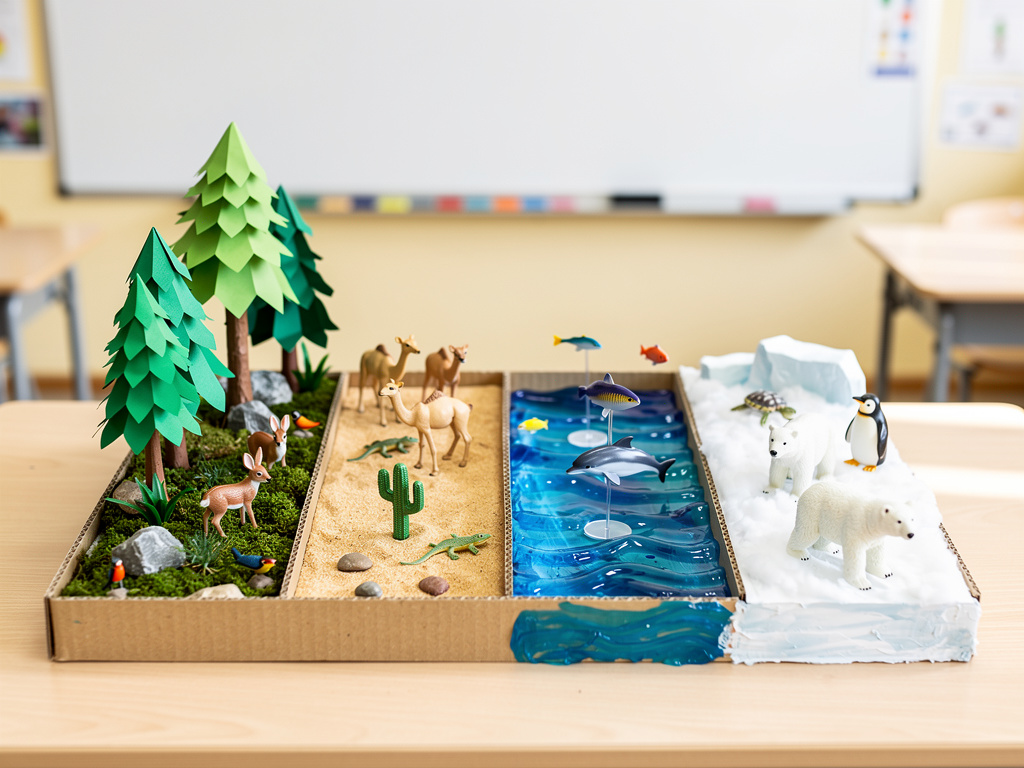
Animal Habitats Diorama Science Project - Explore Different Ecosystems
earth scienceeasy

Animal Habitats Diorama Science Project - Explore Different Ecosystems

In this diorama project, students can explore various animal habitats. By creating a 3D model, they will learn about different ecosystems, the animals that live there, and their adaptations.

7 days·elementary
Aquatic Echoes: Impact of Ocean Acidification on Sound Propagation
earth sciencehard

Aquatic Echoes: Impact of Ocean Acidification on Sound Propagation

This project explores the effects of ocean acidification on how sound travels underwater. By simulating different pH levels and measuring sound speed, students will understand the environmental implications of changing ocean chemistry.

25 days·high
Biodegradable vs Plastic Decomposition Rates Science Project
earth sciencemedium

Biodegradable vs Plastic Decomposition Rates Science Project

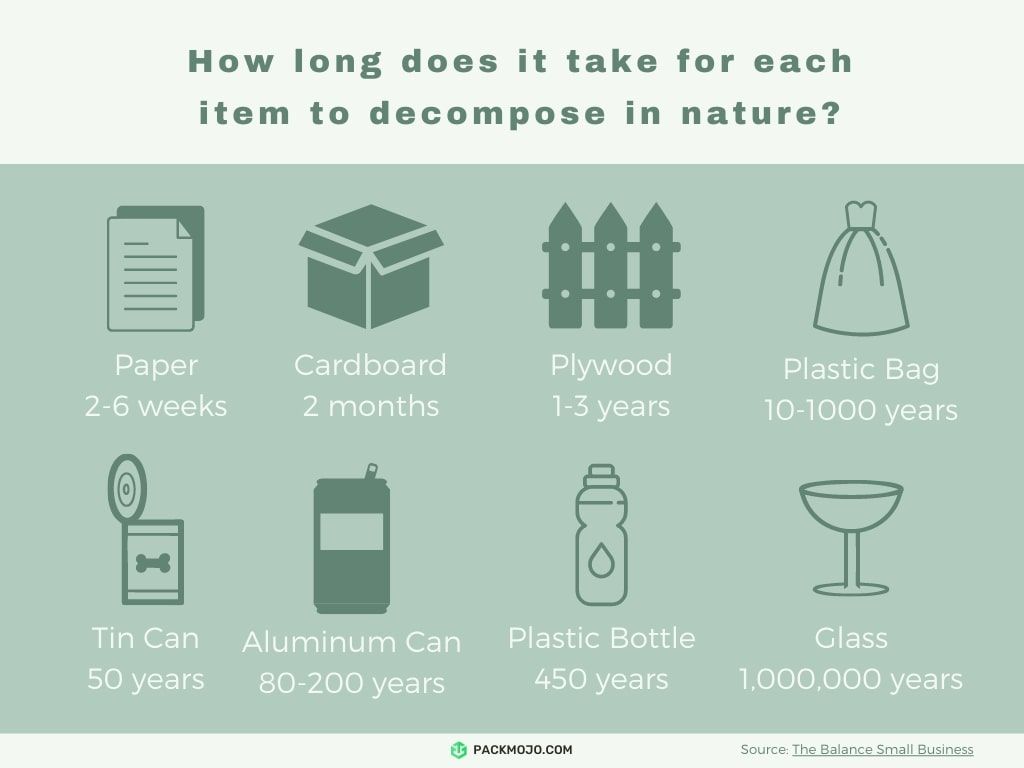
In this project, you'll compare how long biodegradable materials take to decompose versus plastic. This will shed light on pollution and waste management challenges.

10 days·middle
Biofuels Science Fair Project: Fuel Efficiency Comparison
earth sciencehard

Biofuels Science Fair Project: Fuel Efficiency Comparison

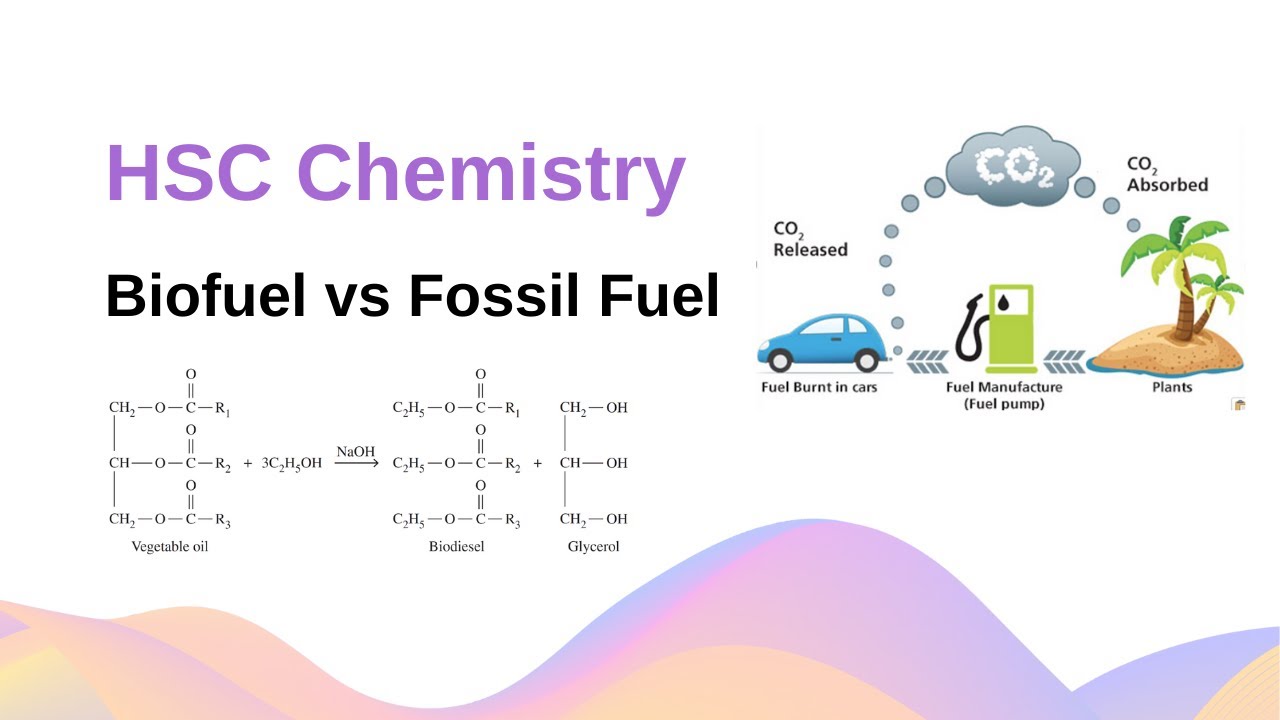
This project compares the fuel efficiency of various biofuels, such as ethanol and biodiesel. Students will conduct experiments to measure energy output and sustainability, aligning with current environmental challenges.

10 days·high
Bioremediation: Can Plants Clean Contaminated Soil Science Project
earth sciencehard

Bioremediation: Can Plants Clean Contaminated Soil Science Project

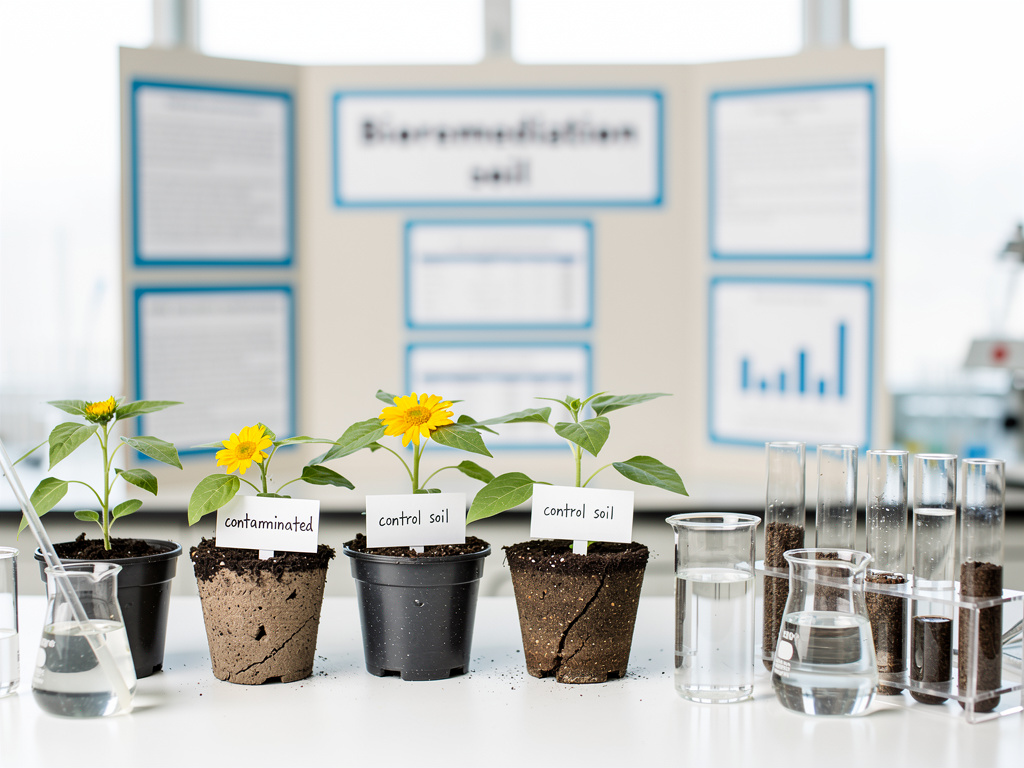
Explore the potential of plants to remediate contaminated soil. Conduct experiments to determine how effective certain plants are at absorbing pollutants!

14 days·high

Like this project? Get more ideas!