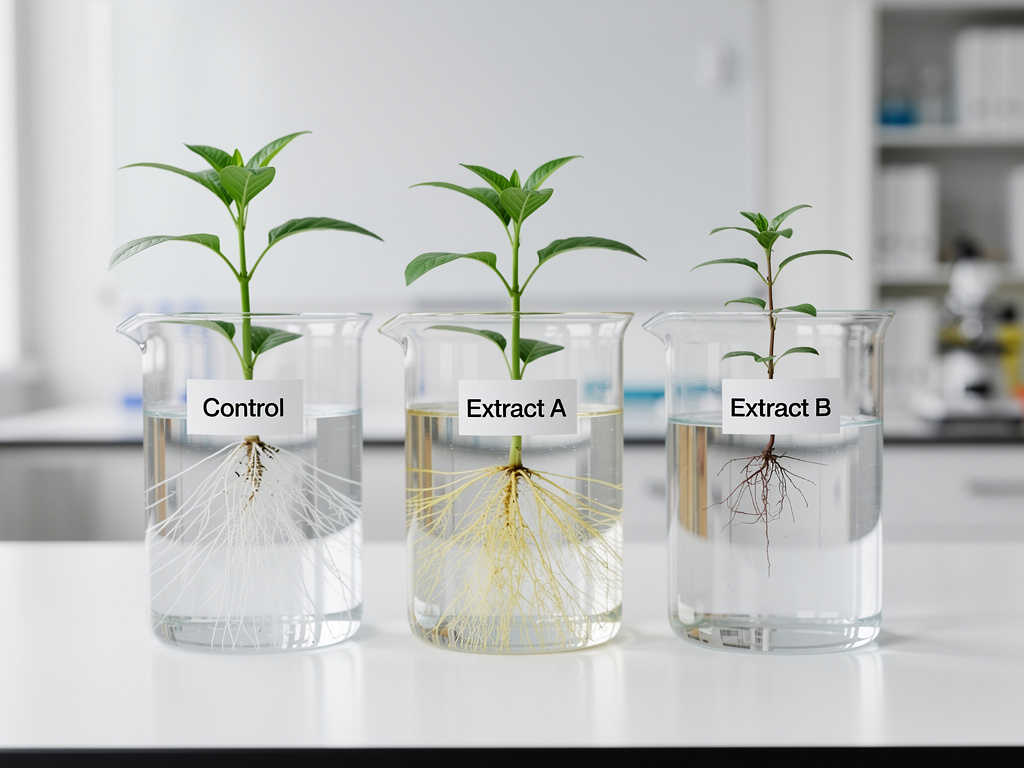
Allelopathy: Do Some Plants Inhibit Growth of Others Science Project
Investigate the allelopathic effects of certain plants on the growth of others. Conduct experiments to observe the relationships between different species!
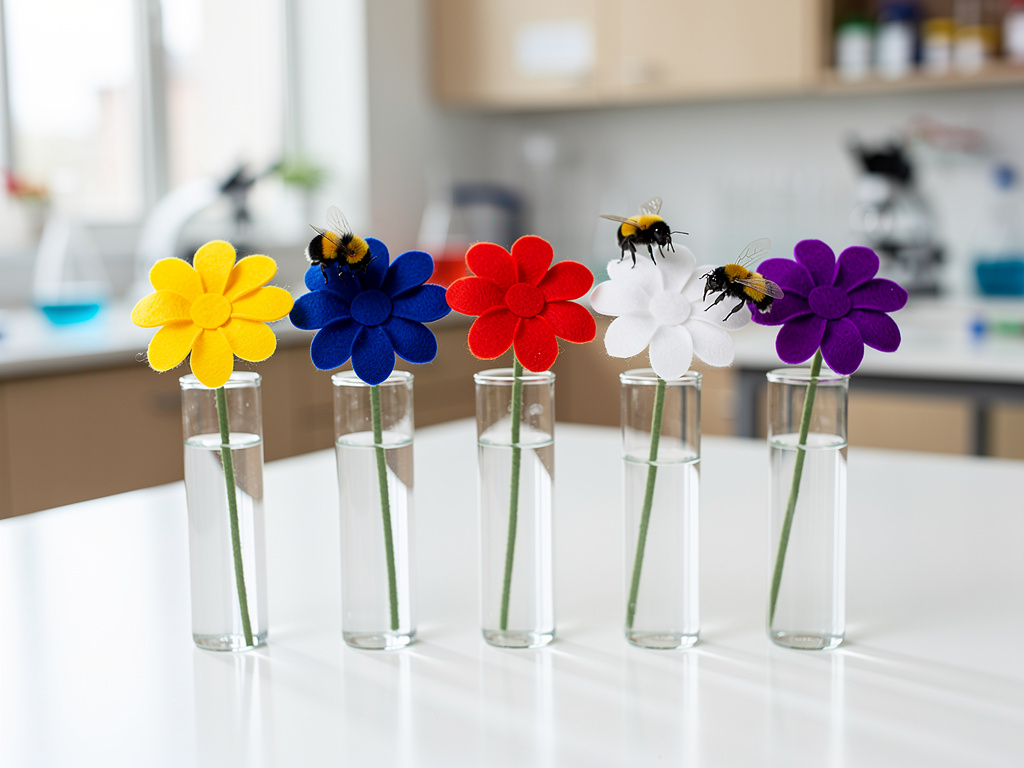
This project examines which flower colors attract the most bees by setting up artificial flowers in a variety of colors and counting bee visits. Students will explore how color influences pollinator behavior.

If artificial flowers of different colors are placed in a garden, then bees will visit certain colors more frequently.
As an Amazon Associate, this site earns from qualifying purchases.
Gather artificial flowers and paint them in different colors.
Arrange the flowers in a garden plot, spacing them evenly.
Observe the flowers daily, counting the number of bees visiting each color.
Use a timer to standardize observation periods, such as 10 minutes per color.
Record observations in a notebook, noting the time and weather conditions.
Take photos to document bee visits to each flower color.
Continue observations for one week.
Analyze the data to determine which flower color attracts the most bees.
Certain colors, possibly blue or yellow, are expected to attract more bees based on their visual preferences.
Color of artificial flowers
Number of bee visits
Location of flowers, Time of observation, Weather conditions
Be cautious around bees to avoid stings; maintain a safe distance while observing.
Create a bar graph showing bee visits to each flower color.
Include photos of bees on the flowers.
Discuss why bees might prefer certain colors.
Artificial flowers ensure consistent color and eliminate other variables like scent.
Ensure the flowers are placed in a location where bees are active.
Yes, but ensure they are all the same species to control for other variables.