Allelopathy: Do Some Plants Inhibit Growth of Others Science Project
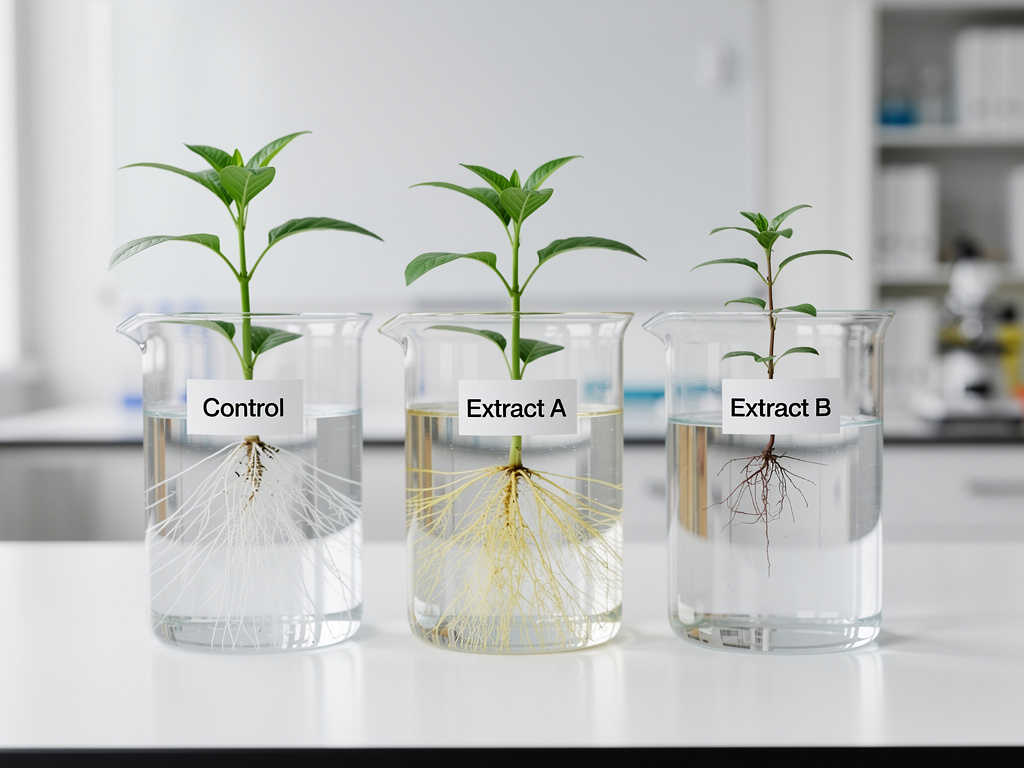
Investigate the allelopathic effects of certain plants on the growth of others. Conduct experiments to observe the relationships between different species!
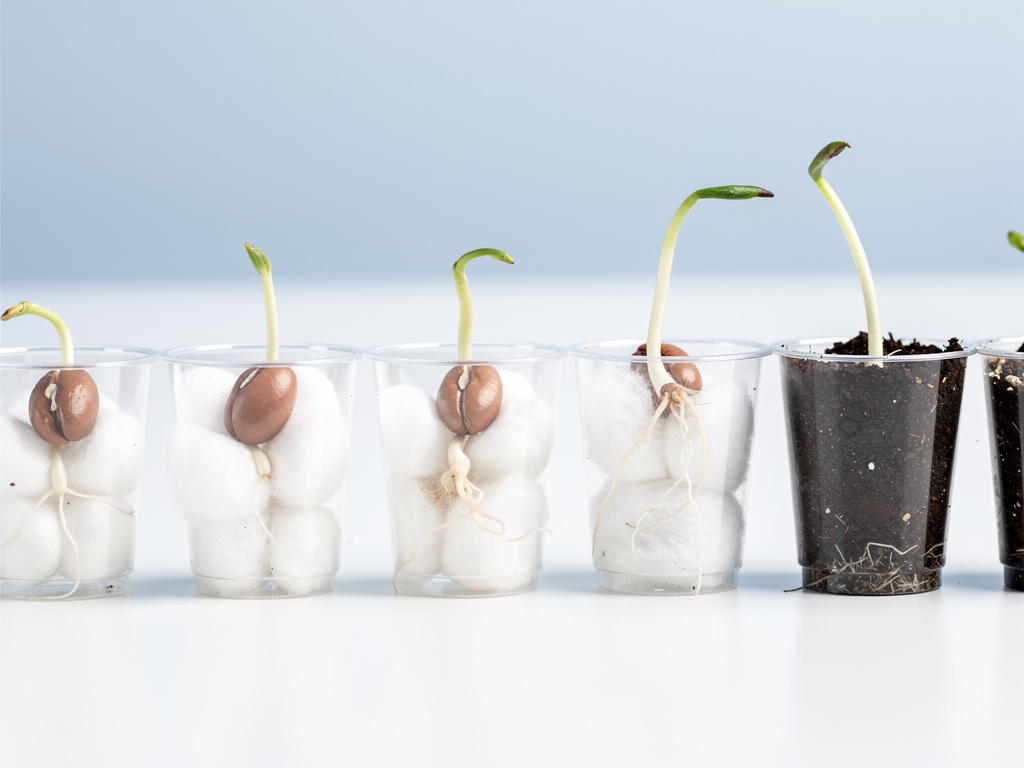
Explore the fascinating process of seed germination with a hands-on bean experiment. Observe how seeds sprout and grow into healthy plants in just a few days, while learning about the needs of living organisms!

If beans are provided with water and warmth, then they will germinate and grow into seedlings.
As an Amazon Associate, this site earns from qualifying purchases.
Fill each plastic cup with potting soil up to 2/3 full.
Plant 3-4 bean seeds in each cup about 1 inch deep.
Water the seeds gently until the soil is moist but not soggy.
Label each cup with the date and your name.
Place the cups in a warm area with access to light.
Observe and record any changes in the seeds daily.
Water the seeds as necessary to keep the soil moist.
After 3-5 days, observe the germination progress and measure the seedlings.
You should see the seeds sprout within a few days. The seedlings will grow taller and develop leaves, demonstrating the germination process and plant growth.
amount of water
growth of seedlings
type of seeds, light exposure, soil type
Ensure to wash hands after handling soil and seeds.
Use clear photos to show the growth stages.
Create a chart to display germination rates.
Include a video of the plant growing over days.
Explain the importance of water and sunlight.
Prepare to answer questions about plant biology.
Bean seeds typically sprout within 3-5 days under optimal conditions.
Yes, you can use other seeds, but they may have different germination times.
Check if the soil is too dry or too wet, and ensure the seeds are getting enough warmth and light.