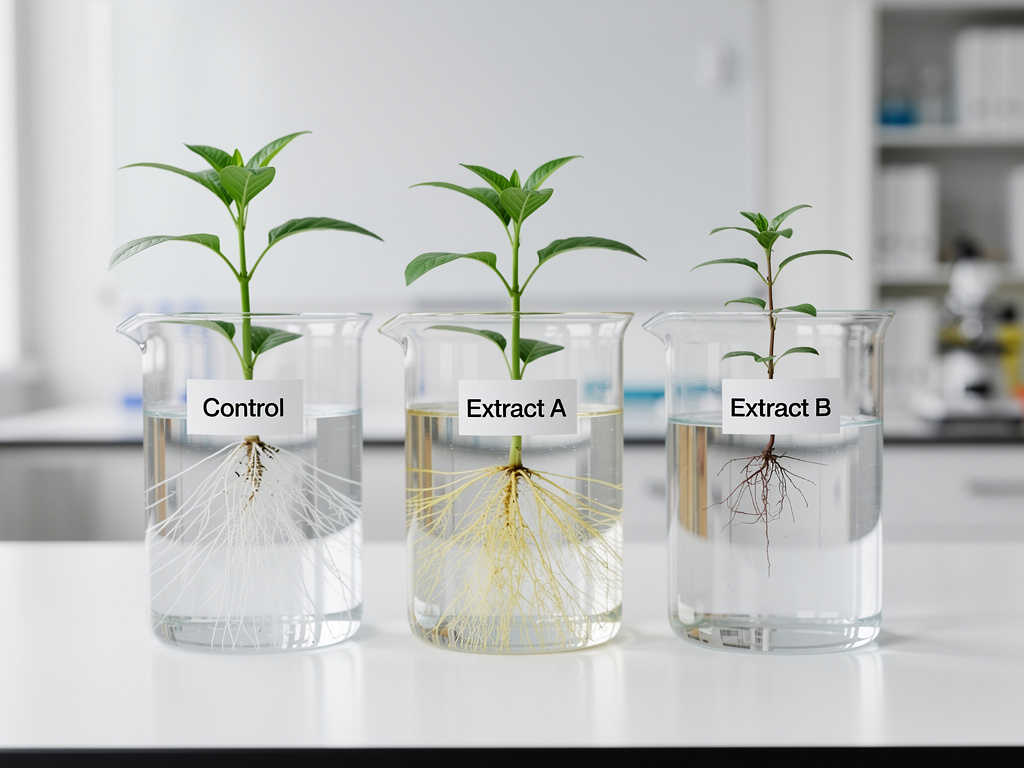
Allelopathy: Do Some Plants Inhibit Growth of Others Science Project
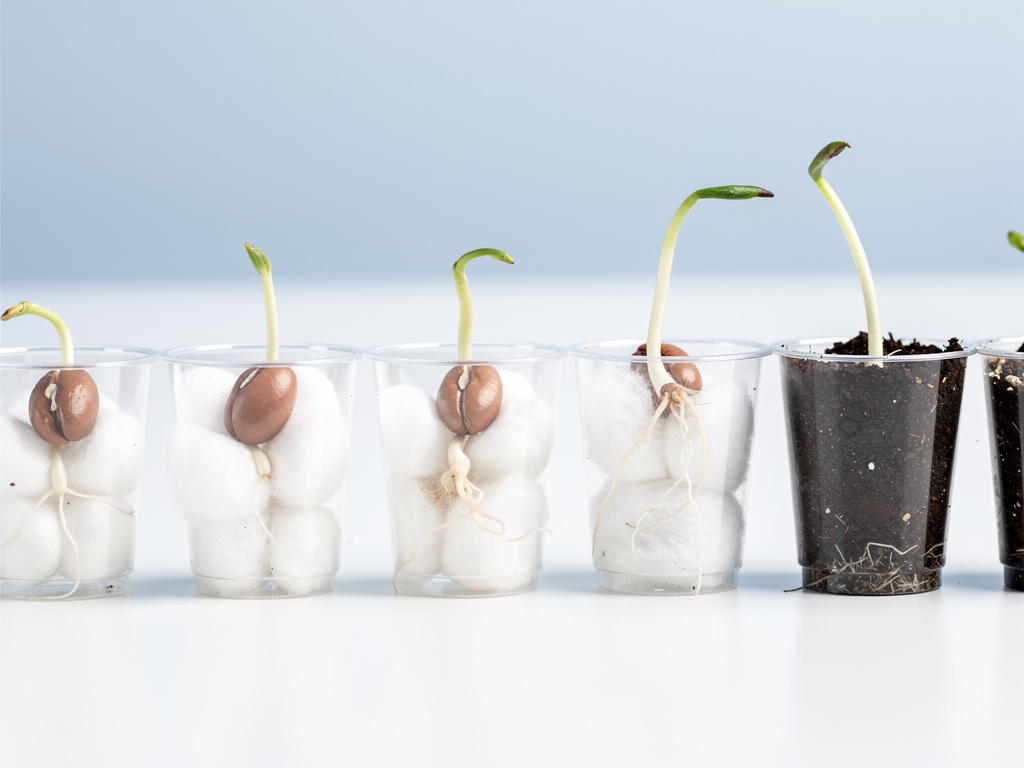
Investigate the allelopathic effects of certain plants on the growth of others. Conduct experiments to observe the relationships between different species!
In this science fair project, you will collect water samples from local sources and test them for contaminants such as nitrates, phosphates, and pH levels. By comparing your results with local water safety standards, you will assess the quality of your local water supply and its potential impacts on health and the environment.

If we analyze the water samples, then we will find varying levels of contaminants that may exceed safety standards.
As an Amazon Associate, this site earns from qualifying purchases.
Identify several local water sources to test.
Collect water samples in clean bottles, labeling them appropriately.
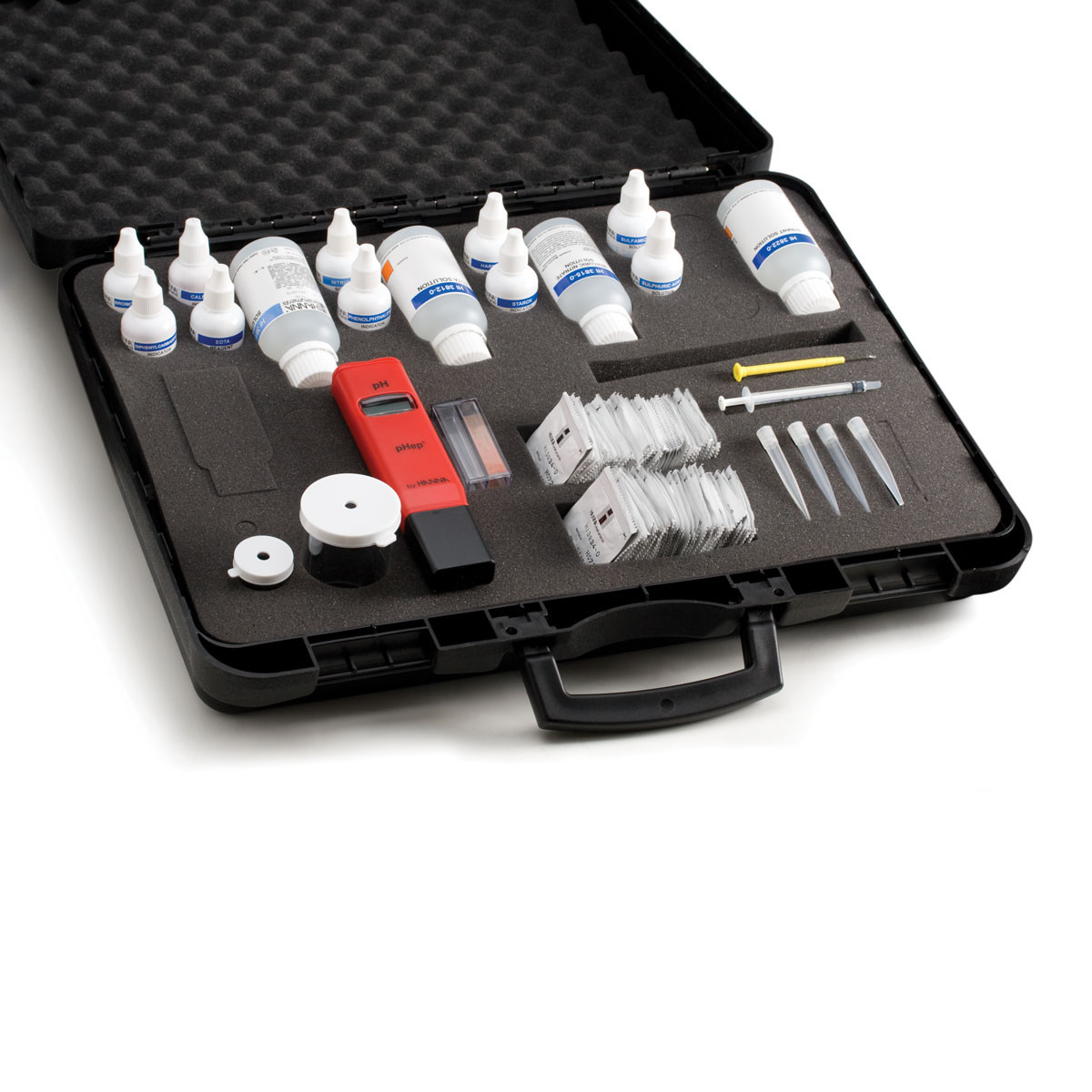
Use the water testing kit to test for contaminants according to the instructions.
Record the results of each test in your notebook.
Compare your findings to local water quality standards.
Create visual representations of your data (charts/graphs).
Research the potential sources of any contaminants found.
Prepare a report summarizing your findings.
You may find that some water sources contain contaminants that exceed safety limits, leading to concerns about local water quality.
source of water
levels of contaminants
testing methods, water sample size, environmental conditions
Wear gloves while handling water samples, and ensure that the water testing kit is used according to its safety instructions.
Use graphs to display contaminant levels visually.
Prepare a map showing different water sources tested.
Include a section on the importance of clean water.
Discuss potential impacts on health and ecosystems.
Common ones include nitrates, phosphates, heavy metals, and pH levels.
Follow the testing kit instructions exactly and repeat tests for consistency.
Report your findings to local authorities or community health organizations.