biologyhard
Analyzing Genetic Variation with PCR-RFLP
This experiment uses PCR-RFLP to study genetic variation in a gene fragment. Students will amplify and digest DNA to compare restriction patterns across samples.
15 days·high
Investigate the allelopathic effects of certain plants on the growth of others. Conduct experiments to observe the relationships between different species!
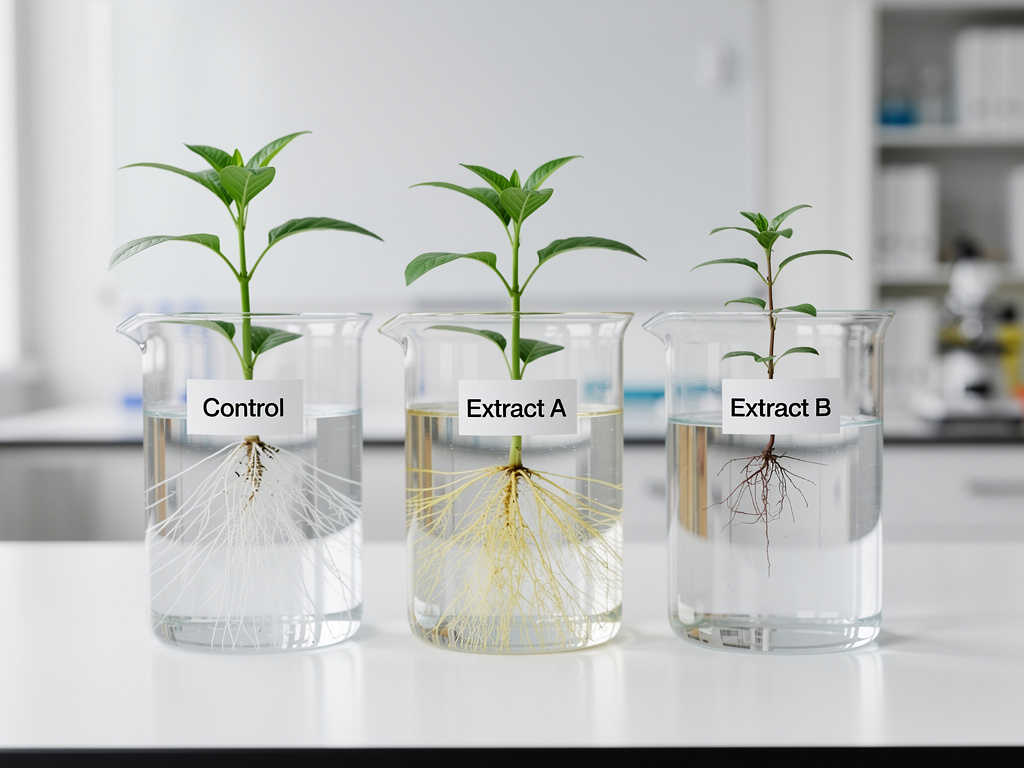
If allelopathic plants are grown near non-allelopathic plants, then the growth of the latter will be inhibited due to the release of growth-inhibiting chemicals.
As an Amazon Associate, this site earns from qualifying purchases.
Plant allelopathic plants in designated pots.
Plant non-allelopathic plants near them.
Water both sets of plants equally.
Observe and record growth over several weeks.
Measure the height of non-allelopathic plants.
Compare growth rates between the two groups.
Analyze the results for inhibition effects.
Draw conclusions based on findings.
It is expected that non-allelopathic plants will show reduced growth when planted near allelopathic plants, demonstrating the inhibitory effects of allelopathy.
presence of allelopathic plants
growth rate of non-allelopathic plants
amount of water, light exposure, type of soil
Use gloves when handling plants and avoid ingestion of any plant materials.
Use graphs to depict growth data.
Include photos of plant growth stages.
Discuss the ecological implications of allelopathy.
Be prepared to answer questions about your research.
Engage the audience with interactive discussions.
Allelopathy is the chemical inhibition of one species by another through the release of toxins.
Common examples include black walnut, eucalyptus, and certain species of sunflowers.
Yes, understanding allelopathy can help in crop rotation and companion planting strategies.