Science Fair Projects
biologyhard high 15 days

Analyzing Genetic Variation with PCR-RFLP

This experiment uses PCR-RFLP to study genetic variation in a gene fragment. Students will amplify and digest DNA to compare restriction patterns across samples.

Analyzing Genetic Variation with PCR-RFLP

Hypothesis

If there is genetic variation between samples, then different restriction patterns will be observed after digestion.

Materials Needed

DNA samples — 5Buy
PCR reagents — 1 kitBuy
Restriction enzymes — 1 setBuy
Agarose gel — 1Buy
Gel electrophoresis equipment — 1 setBuy
DNA ladder — 1Buy
Thermal cycler — 1Buy
Micropipettes — 1 setBuy
UV transilluminator — 1Buy
Buffer solutions — 1 setBuy

As an Amazon Associate, this site earns from qualifying purchases.

Step-by-Step Procedure

  1. 1

    Extract DNA from samples.

  2. 2

    Set up PCR reactions with gene-specific primers.

  3. 3

    Amplify gene fragments using a thermal cycler.

  4. 4

    Confirm PCR success via agarose gel electrophoresis.

  5. 5

    Digest PCR products with restriction enzymes.

  6. 6

    Prepare agarose gel for electrophoresis.

  7. 7

    Load digested DNA into gel wells.

  8. 8

    Run gel electrophoresis to separate DNA fragments.

  9. 9

    Visualize bands using a UV transilluminator.

  10. 10

    Compare restriction patterns between samples.

  11. 11

    Analyze differences to assess genetic variation.

  12. 12

    Document and interpret results.

Expected Results

Genetic variation will be evident through different restriction patterns. Samples with identical genetic sequences will show similar banding patterns, while differences will indicate variation.

Variables

Independent Variable

Genetic sequence

Dependent Variable

Restriction pattern

Controlled Variables

PCR conditions, Enzyme concentration, Gel concentration, Electrophoresis time

Safety Notes

Wear gloves and goggles when handling DNA and chemicals. Dispose of gels and reagents according to safety guidelines.

Presentation Tips

  • Use gel images to highlight band patterns.

  • Explain the concept of genetic variation and its importance.

  • Discuss potential errors and improvements in methodology.

Frequently Asked Questions

What is PCR-RFLP?

PCR-RFLP combines PCR amplification with restriction enzyme digestion to analyze DNA polymorphisms.

Why use restriction enzymes?

They cut DNA at specific sequences, allowing for analysis of genetic variation.

What is a DNA ladder?

A DNA ladder is a set of known DNA fragments used to estimate the size of sample fragments.

Related Projects

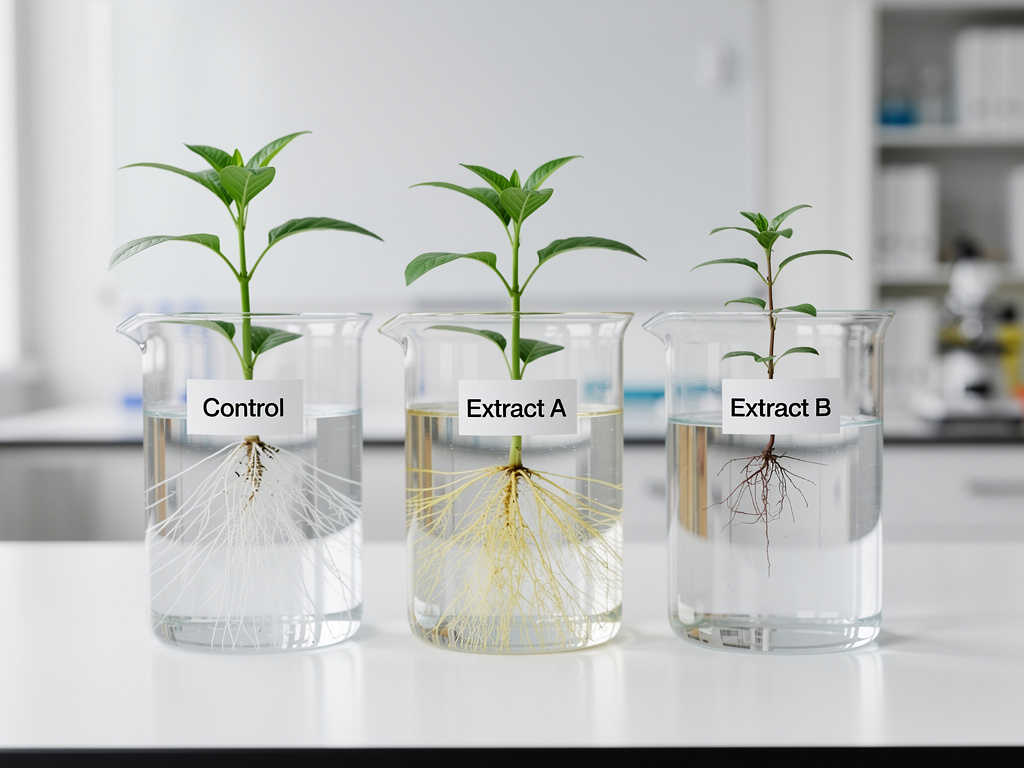
Allelopathy: Do Some Plants Inhibit Growth of Others Science Project
biologymedium

Allelopathy: Do Some Plants Inhibit Growth of Others Science Project

Investigate the allelopathic effects of certain plants on the growth of others. Conduct experiments to observe the relationships between different species!

10 days·high
Analyzing Local Water Quality for Contaminants
biologyhard

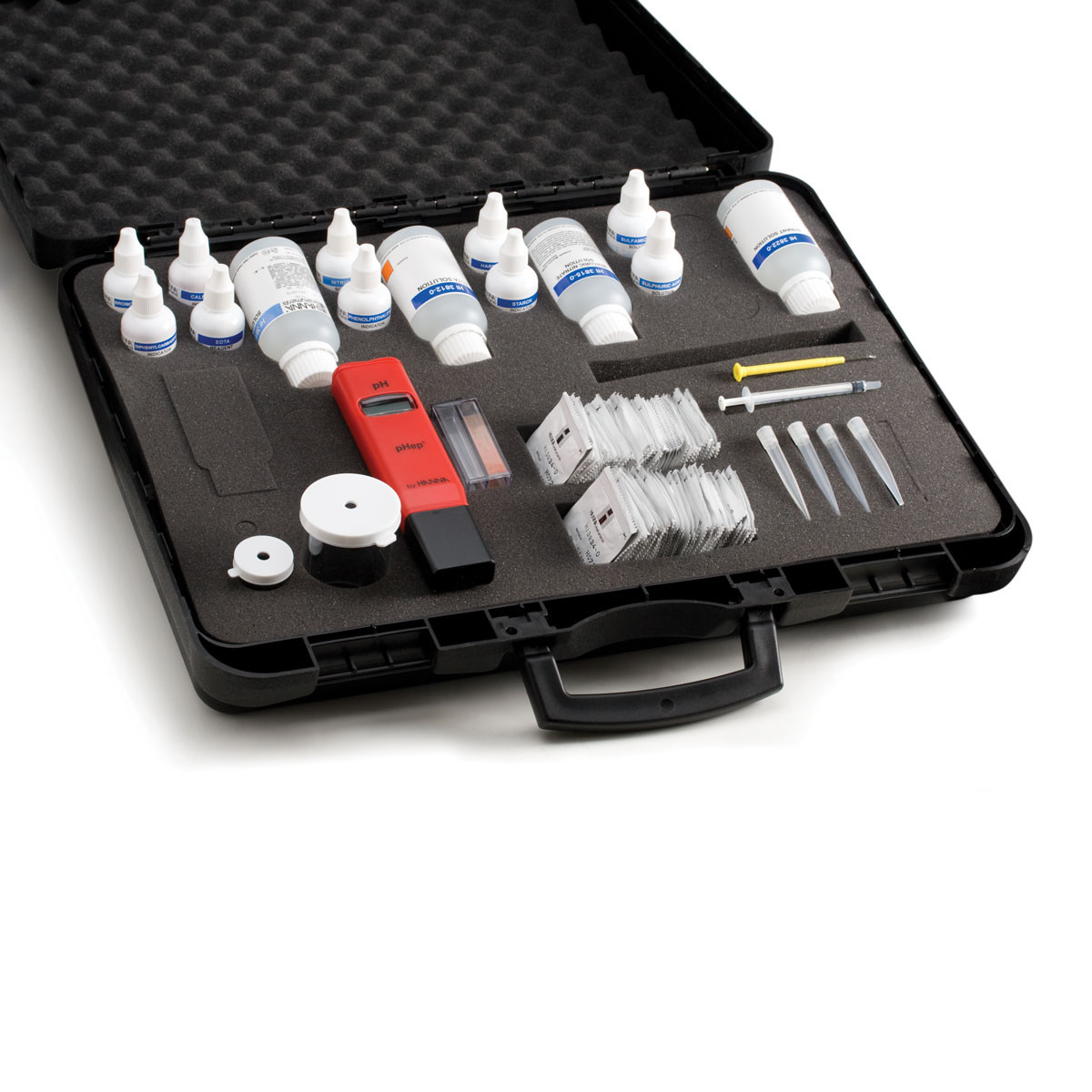
Analyzing Local Water Quality for Contaminants

In this science fair project, you will collect water samples from local sources and test them for contaminants such as nitrates, phosphates, and pH levels. By comparing your results with local water safety standards, you will assess the quality of your local water supply and its potential impacts on health and the environment.

7 days·high
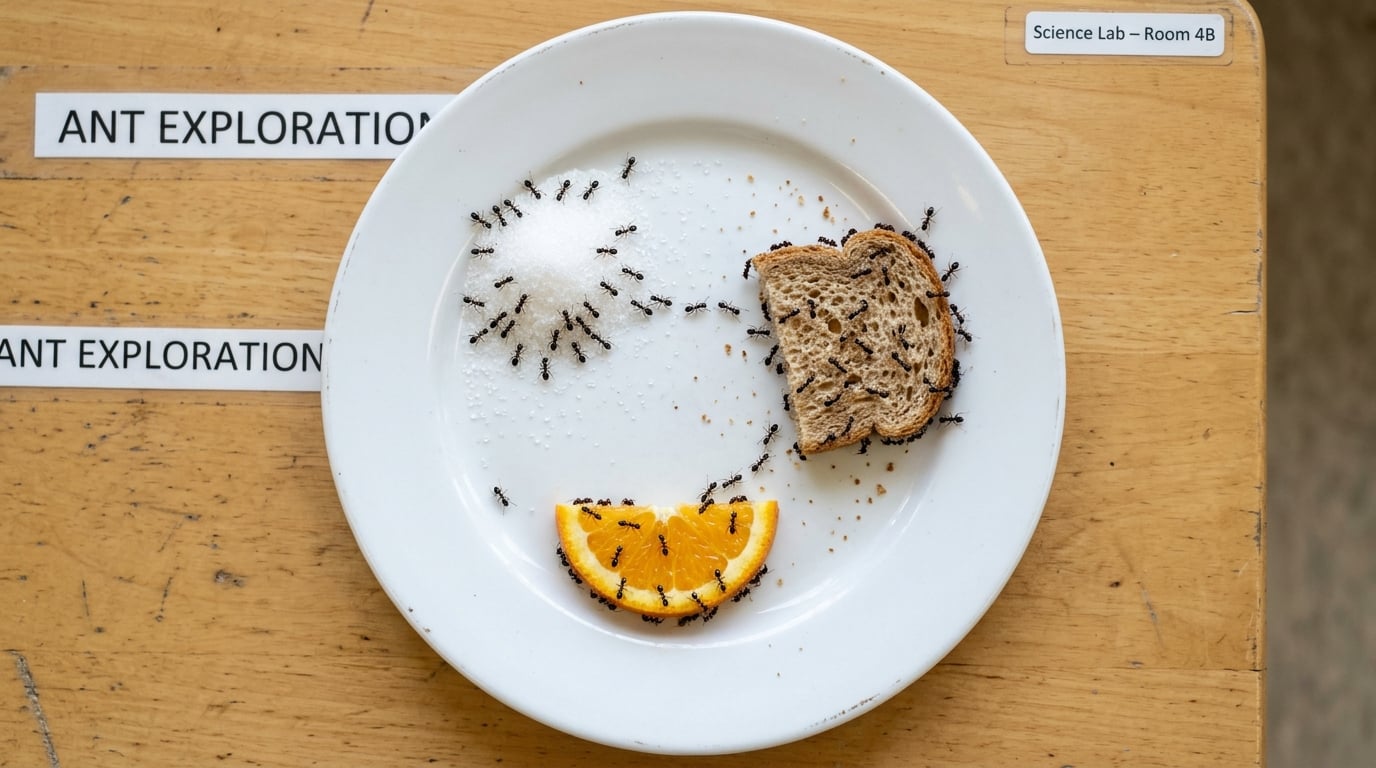
Ants on a Mission: Food Preferences in the Insect World
biologyeasy

Ants on a Mission: Food Preferences in the Insect World

Study ant behavior by observing which types of food they prefer. This project helps to understand the dietary habits of ants in a natural setting.

5 days·elementary
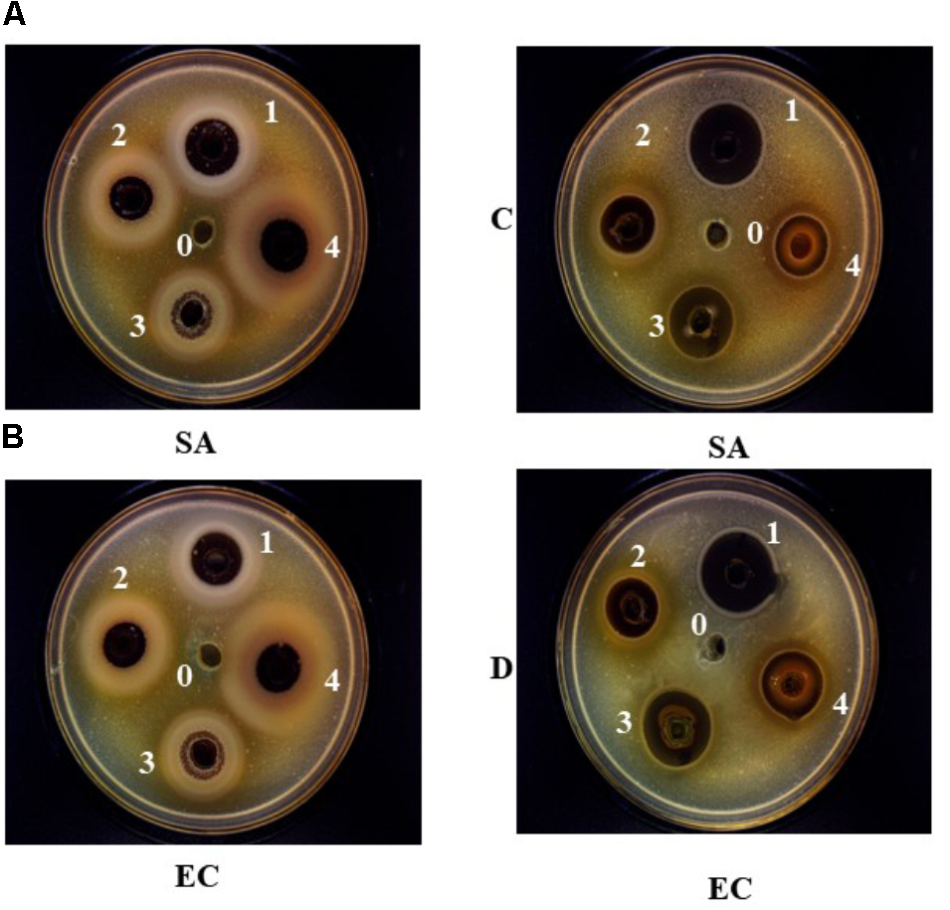
Bacterial Battle: Testing Natural Antibiotics From Household Items
biologymedium

Bacterial Battle: Testing Natural Antibiotics From Household Items

Test the effectiveness of common household items like garlic and honey as natural antibiotics against bacteria. Analyze which substance shows the best antibacterial properties.

14 days·middle
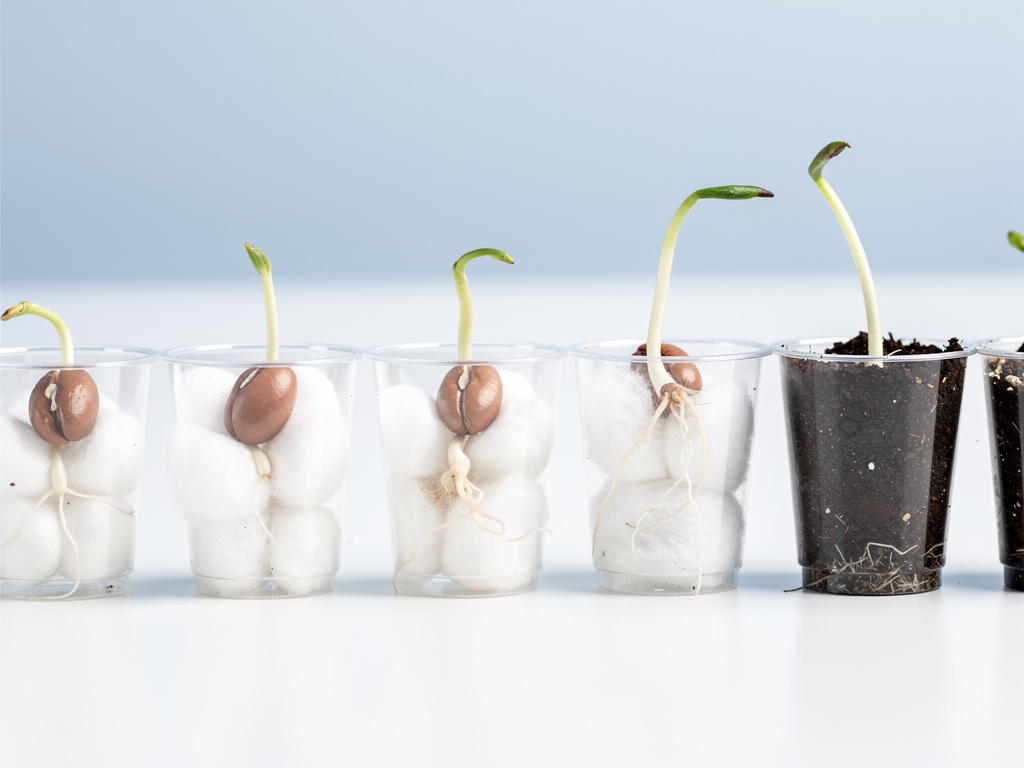
Bean Germination Experiment - How Plants Grow from Seeds Science Project
biologyeasy

Bean Germination Experiment - How Plants Grow from Seeds Science Project

Explore the fascinating process of seed germination with a hands-on bean experiment. Observe how seeds sprout and grow into healthy plants in just a few days, while learning about the needs of living organisms!

4 days·elementary
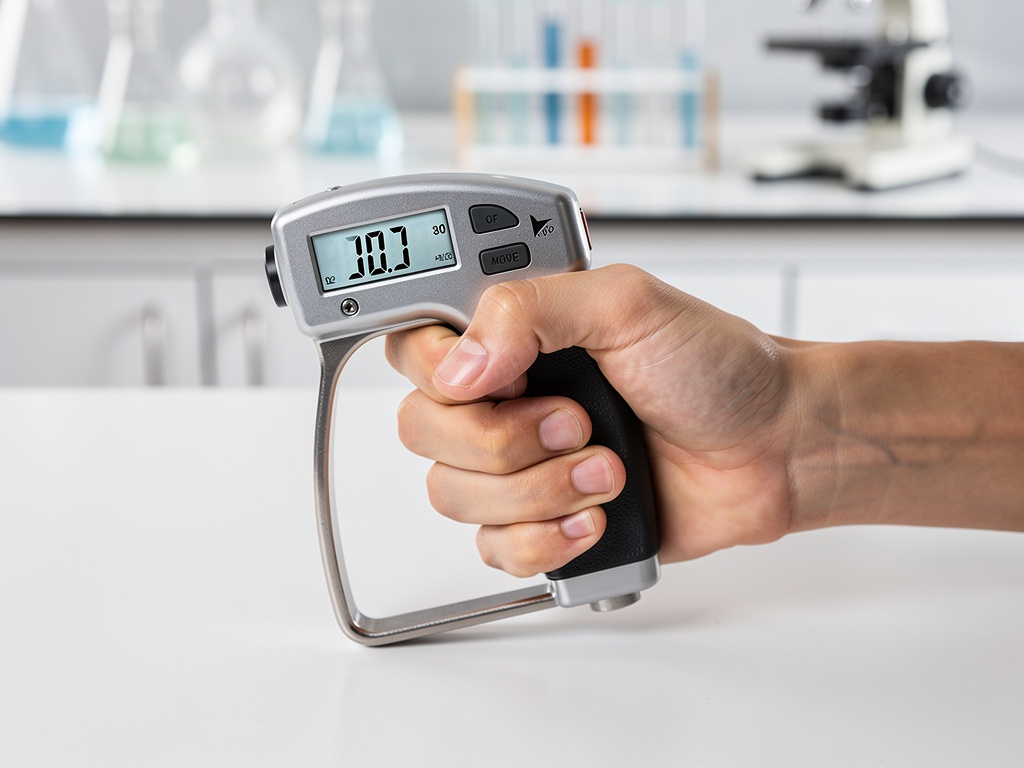
Biomechanics of the Human Hand - Grip Strength Variables Science Fair Project
biologymedium

Biomechanics of the Human Hand - Grip Strength Variables Science Fair Project

This project investigates how different factors affect grip strength in the human hand. By measuring grip strength under various conditions (like hand position and fatigue), students gain insights into the biomechanics of hand function and its applications in health and sports.

7 days·high

Like this project? Get more ideas!