Allelopathy: Do Some Plants Inhibit Growth of Others Science Project
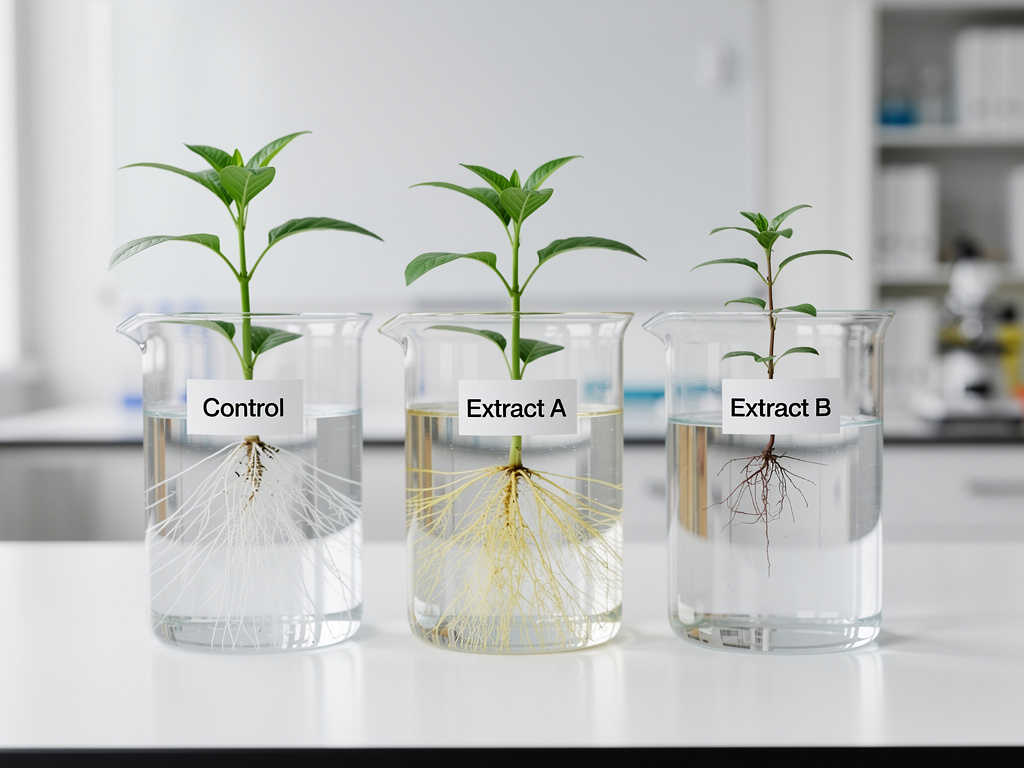
Investigate the allelopathic effects of certain plants on the growth of others. Conduct experiments to observe the relationships between different species!
Test the effectiveness of common household items like garlic and honey as natural antibiotics against bacteria. Analyze which substance shows the best antibacterial properties.

If garlic and honey are tested against bacteria, then garlic will exhibit stronger antibacterial properties than honey.
As an Amazon Associate, this site earns from qualifying purchases.
Prepare agar plates and label them accordingly.
Swab bacterial culture onto agar plates evenly.
Crush garlic cloves and mix with distilled water.
Apply drops of garlic solution to one set of plates.
Apply honey to another set of plates using droppers.
Leave a set of plates untreated as a control.
Incubate plates at room temperature for a specific period.
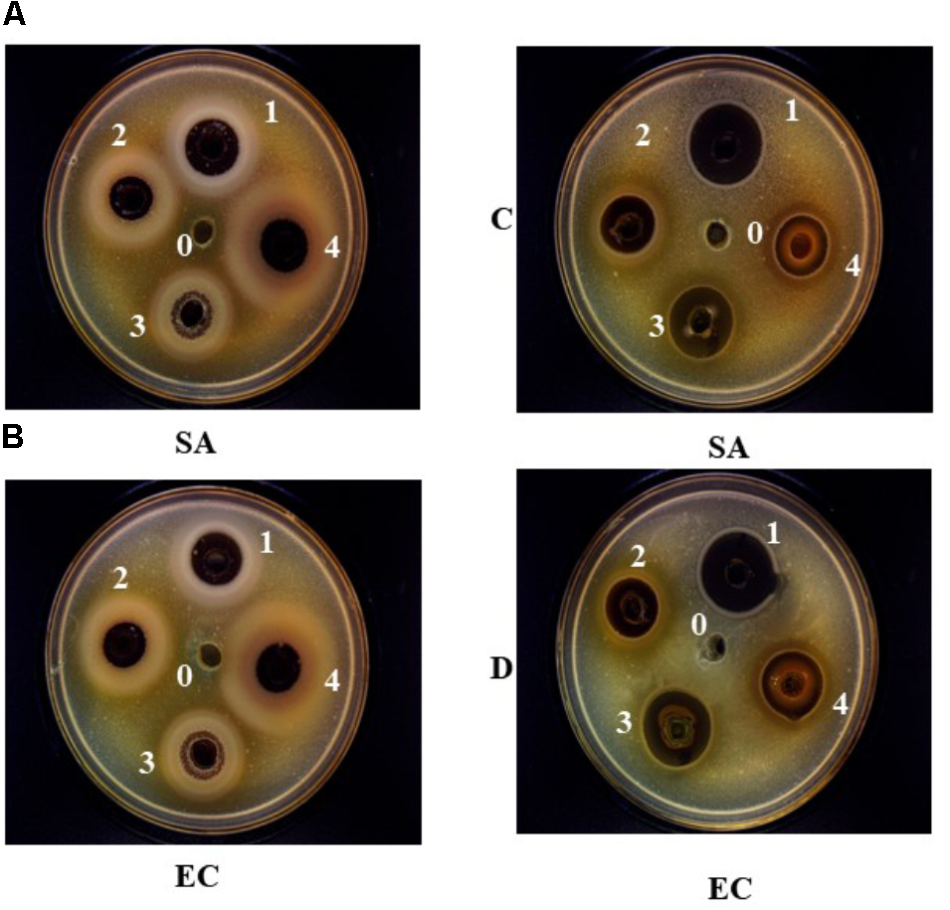
Measure bacterial growth inhibition zones after incubation.
Record data and compare the effectiveness of each treatment.
Analyze and conclude which item had the strongest antibacterial effect.
Garlic is expected to show larger inhibition zones than honey, indicating stronger antibacterial properties against the bacteria tested.
Type of natural antibiotic used
Size of bacterial growth inhibition zone
Type of bacteria, Incubation time, Agar type, Amount of solution applied
Wear gloves and goggles when handling bacterial cultures to prevent contamination or infection.
Include detailed photographs of the inhibition zones.
Explain how this experiment could relate to alternative medicine.
Use clear graphs to present your data effectively.
Use a safe type of bacteria such as Escherichia coli from a science supply store.
These items are known for their natural antibacterial properties and are commonly found in households.
Typically, plates should be incubated for 24-48 hours, depending on bacterial growth rate.