Allelopathy: Do Some Plants Inhibit Growth of Others Science Project
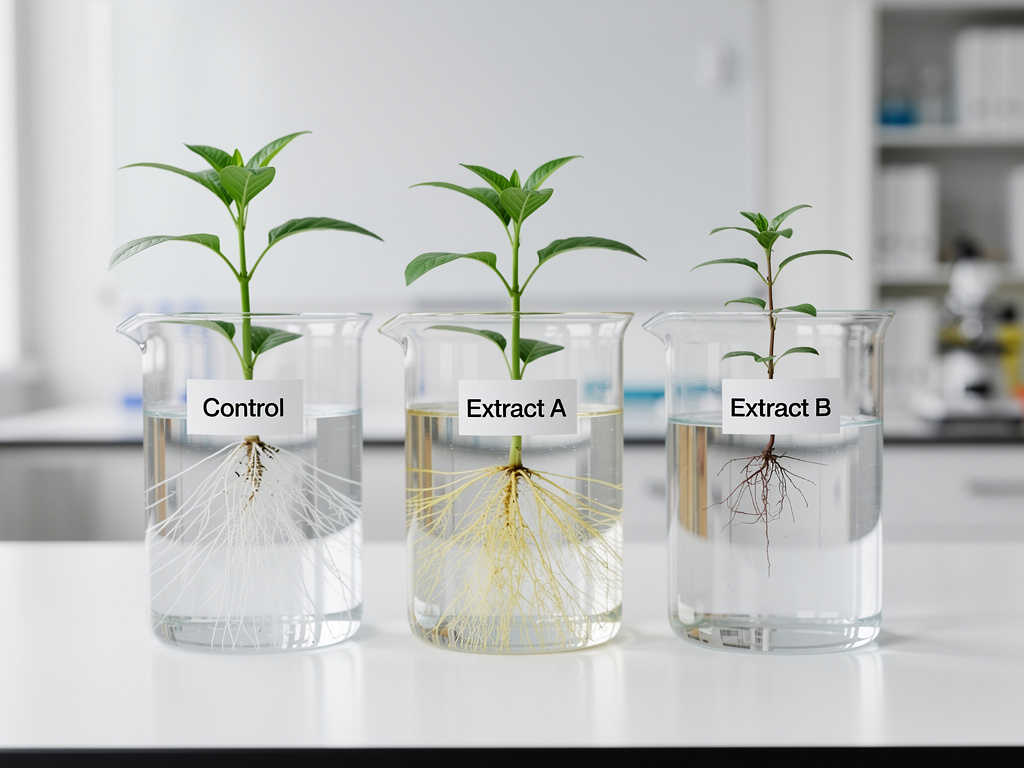
Investigate the allelopathic effects of certain plants on the growth of others. Conduct experiments to observe the relationships between different species!
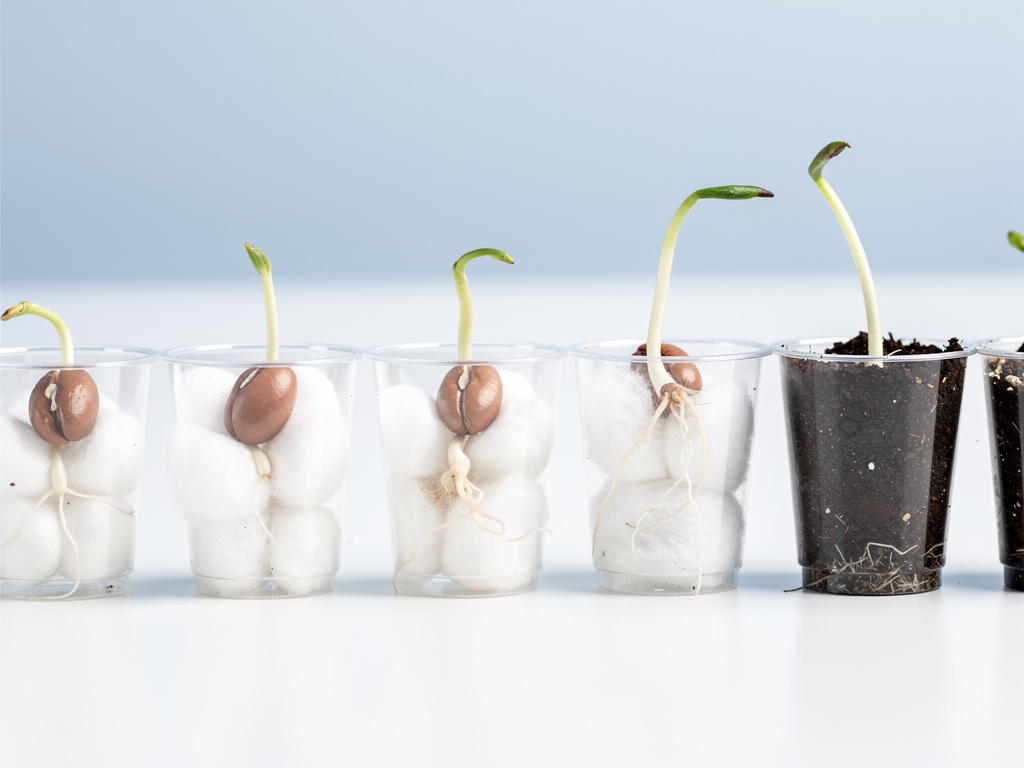
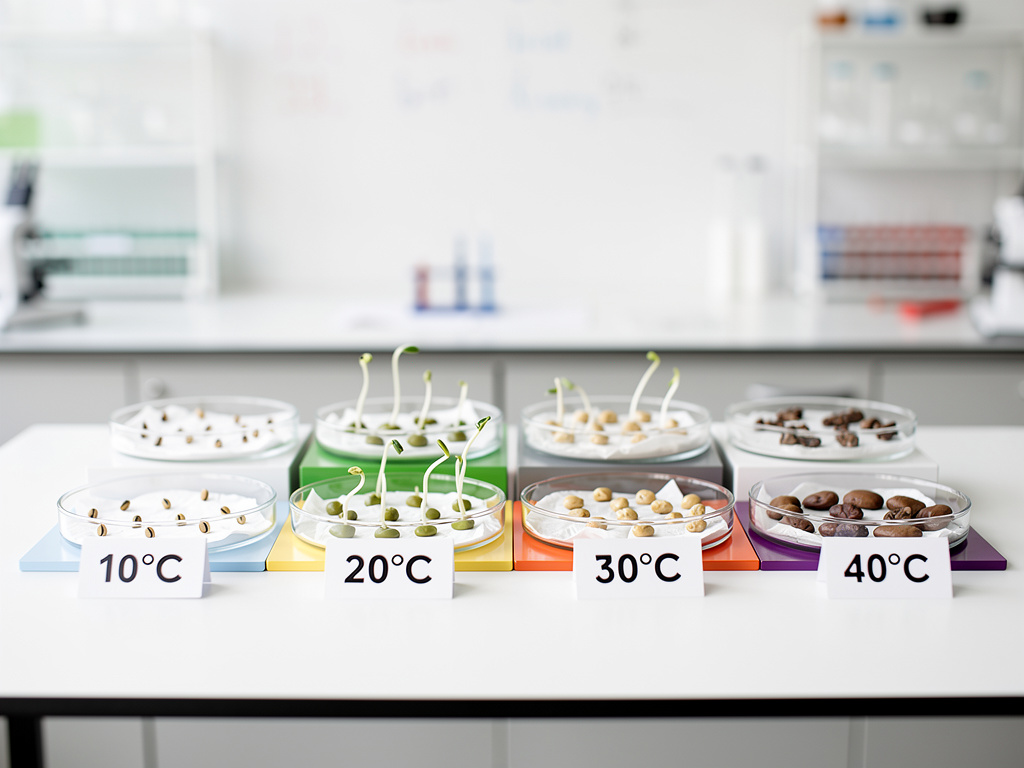
This experiment investigates the impact of different temperatures on seed germination. Students will plant seeds at varying temperatures and observe the results.

If seeds are germinated at different temperatures, then those at optimal temperatures will germinate faster than those at extreme temperatures.
As an Amazon Associate, this site earns from qualifying purchases.
Fill each cup with soil and plant 2-3 seeds per cup.
Set one cup in a cool area, one in moderate temperature, and one in a warm area.
Label each cup according to its temperature condition.
Water the seeds consistently and monitor soil moisture.
Check for germination daily and record any sprouting.
Measure the time taken for seeds to germinate in each condition.
Analyze the data to see which temperature resulted in the fastest germination.
Present your findings with graphs and charts.
Seeds should germinate fastest at an optimal temperature, while those in very cold or hot conditions may not germinate at all.
Temperature conditions
Germination rate of the seeds
Types of seeds, Amount of water, Soil type
Be cautious when using any heating source to avoid burns.
Create graphs to show the germination rates.
Discuss the concept of optimal growing conditions.
Incorporate visuals like photos of germination.
Prepare to explain the science behind temperature effects.
Engage your audience with questions.
Most seeds germinate well between 65°F and 75°F.
Yes, but choose seeds that germinate quickly for best results.
Ensure they have adequate moisture and warmth.