Allelopathy: Do Some Plants Inhibit Growth of Others Science Project
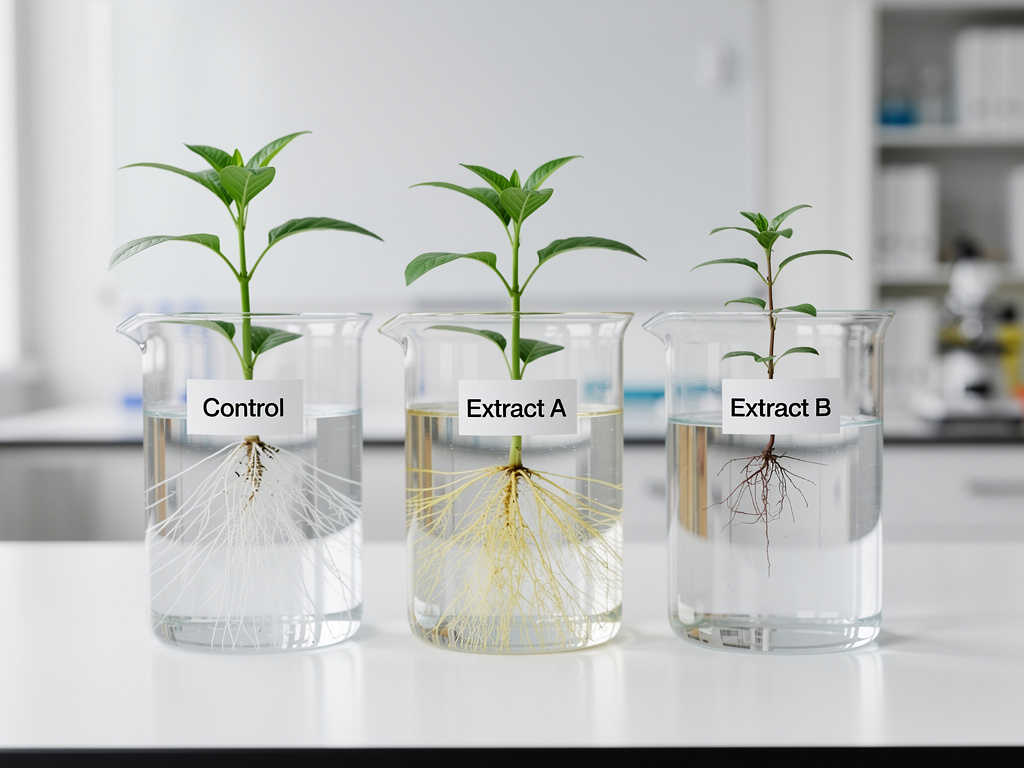
Investigate the allelopathic effects of certain plants on the growth of others. Conduct experiments to observe the relationships between different species!
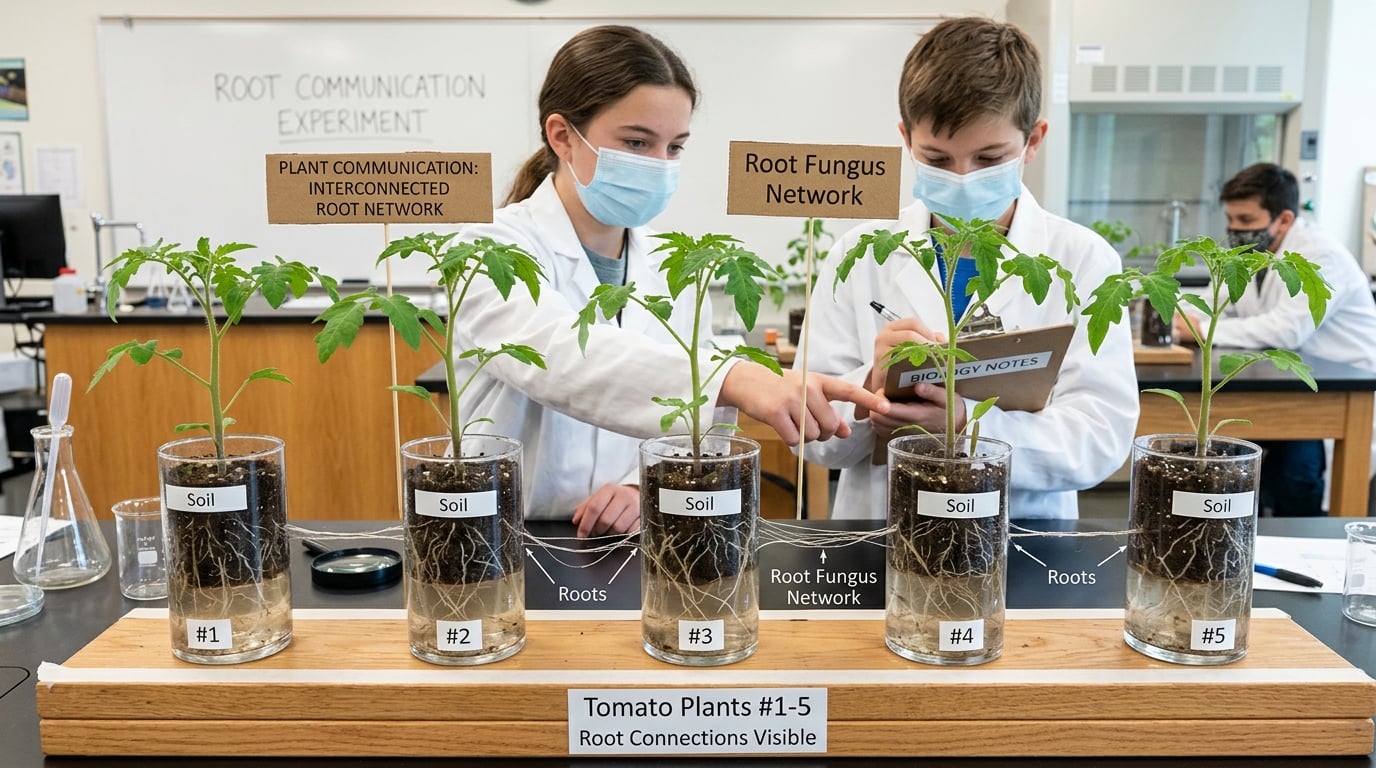
This project investigates how plants communicate with each other through chemical signals. Students will explore how plants might warn others of stress or threats, such as pests.

If a plant is exposed to stress conditions, then it will release chemicals that could signal neighboring plants to defend themselves.
As an Amazon Associate, this site earns from qualifying purchases.
Select healthy potted plants and divide them into control and experimental groups.
Apply stressor to the experimental group's plants (e.g., insect pests).
Cover each plant with a plastic bag to capture chemical emissions.
Observe any changes in the control plants over time.
Measure plant growth and note any differences.
Record data in a notebook.
Research how plants release chemical signals.
Analyze if the nearby plants show any defense mechanisms.
Compare results between the stressed and non-stressed plants.
Summarize findings in a comprehensive report.
The expected outcome is that plants exposed to stress will release signals that might cause nearby plants to activate defense mechanisms. Differences in growth or appearance may be observed.
Exposure to stressor
Response of neighboring plants
Plant species, Light exposure, Watering schedule
Handle any insect pests carefully and ensure they do not spread to unwanted areas.
Use charts to show growth differences.
Explain plant chemical signaling with diagrams.
Discuss the broader implications of plant communication.
Plants release chemicals that can affect other plants, which is a form of communication.
Plants release volatile organic compounds and other signaling chemicals.
Understanding plant communication can improve agricultural practices and pest management.