Allelopathy: Do Some Plants Inhibit Growth of Others Science Project
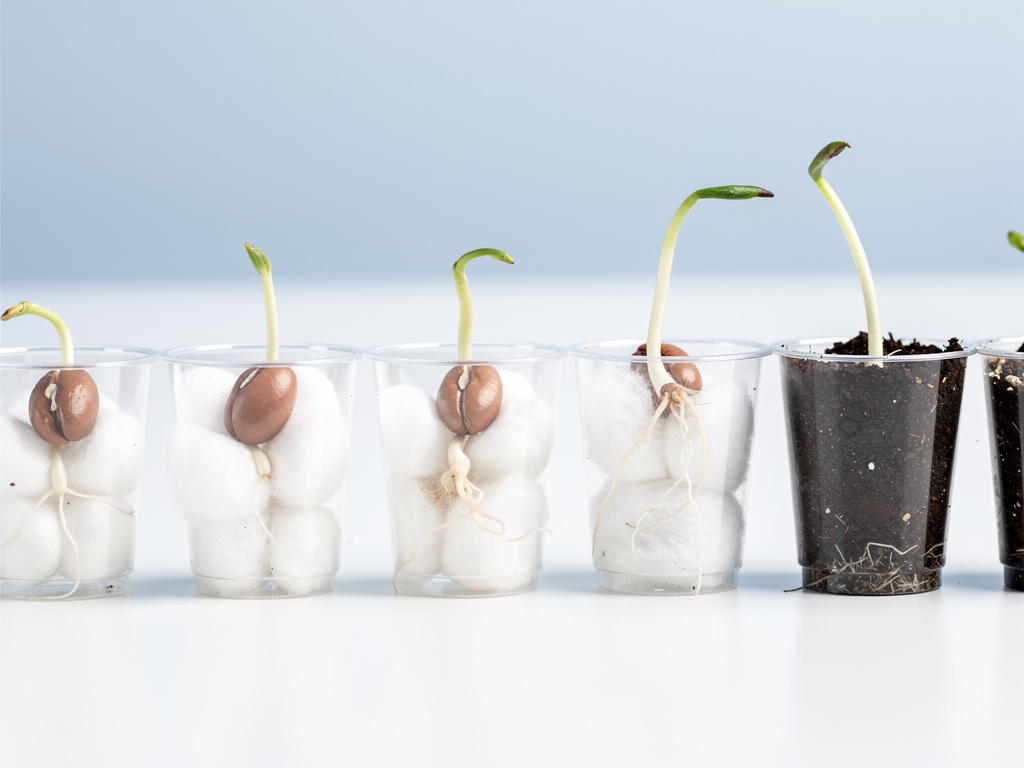
Investigate the allelopathic effects of certain plants on the growth of others. Conduct experiments to observe the relationships between different species!
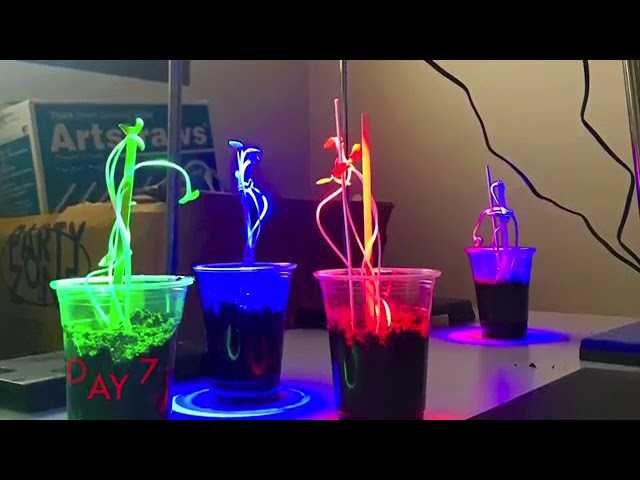
This project investigates how various colors of light impact the rate of photosynthesis in plants. By using colored filters, students can measure how much oxygen is produced in different light conditions. This experiment will help illustrate the importance of light quality in plant growth.

Plants exposed to blue light will exhibit a higher rate of photosynthesis compared to other colors.
As an Amazon Associate, this site earns from qualifying purchases.
Select three identical potted plants.
Cover each plant with a different color of cellophane.
Place a light source at an equal distance from all plants.
Water the plants equally.
Start the stopwatch as you turn on the light.
Measure oxygen production using the measuring cylinder at regular intervals.
Record the data for each plant.
Repeat the experiment for different durations.
Analyze the data to compare photosynthesis rates.
Draw conclusions based on the observed results.
The plant under blue light should show the highest rate of photosynthesis, indicated by increased oxygen production compared to the others.
color of light
rate of photosynthesis (measured by oxygen production)
light intensity, plant type, water amount, temperature
Handle electrical equipment with care. Avoid direct eye exposure to the light source.
Use diagrams to illustrate the setup.
Include graphs of the data collected.
Explain the significance of light colors in plant growth.
Prepare to answer questions about photosynthesis.
Practice clear and concise delivery.
Plants absorb different wavelengths of light for photosynthesis, influencing their growth.
You can measure the rate by observing the amount of oxygen produced.
It's best to use the same type of plant to ensure consistent results.