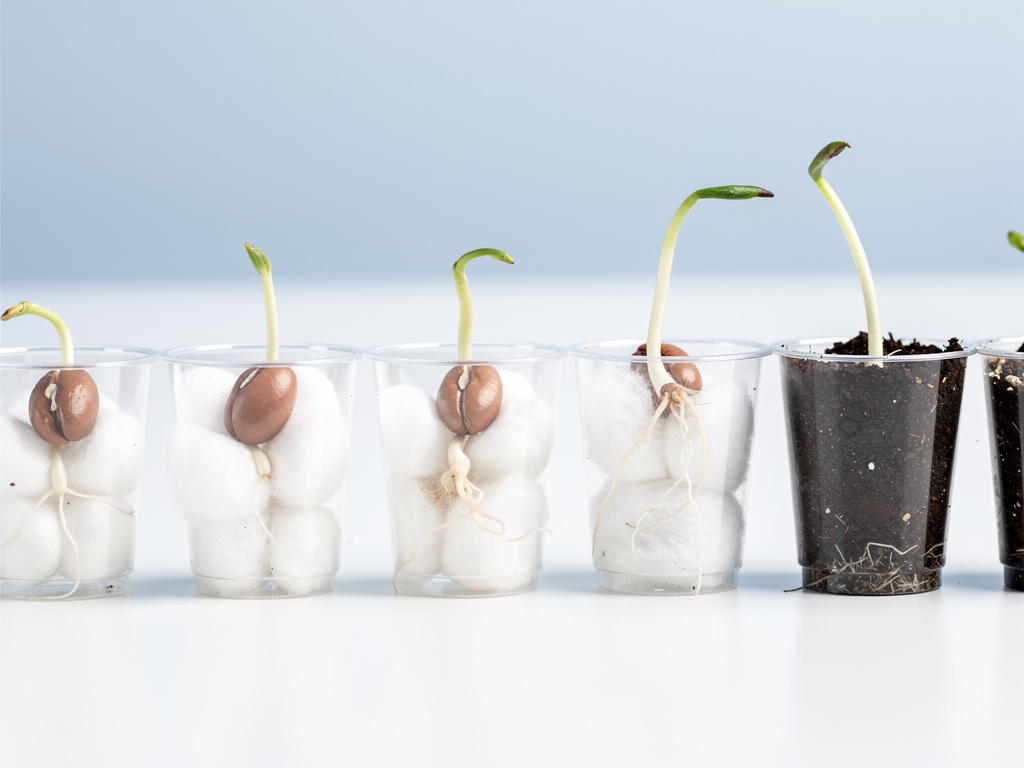
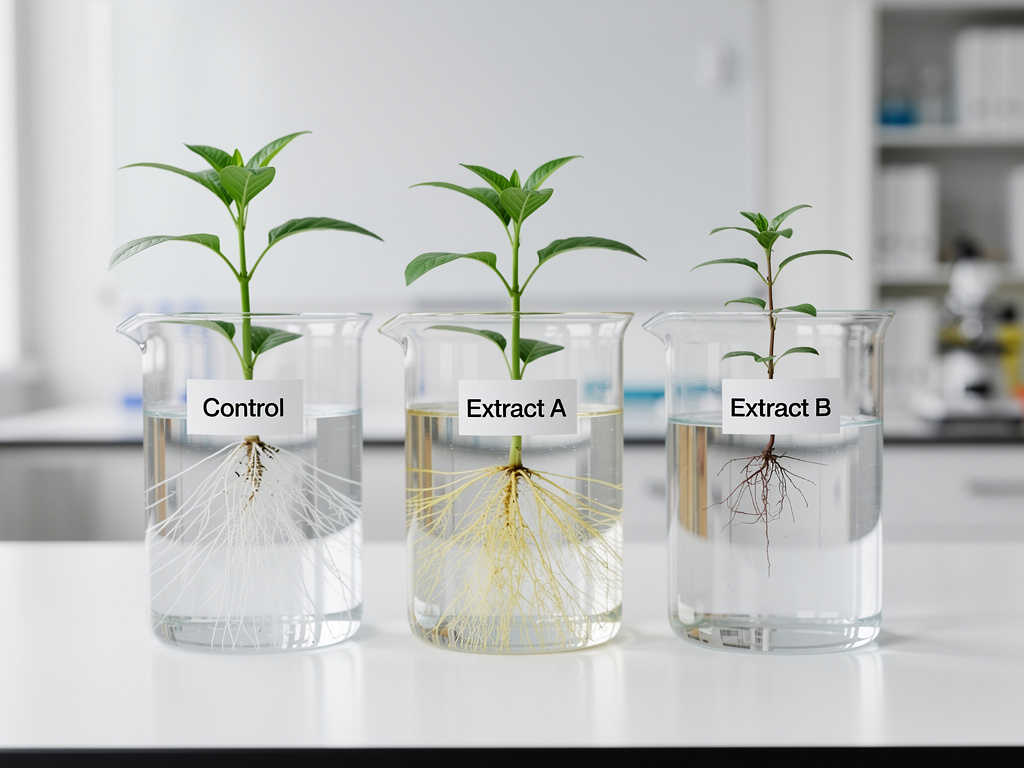
Allelopathy: Do Some Plants Inhibit Growth of Others Science Project
Investigate the allelopathic effects of certain plants on the growth of others. Conduct experiments to observe the relationships between different species!
This project investigates how different conditions affect mold growth on bread. By controlling temperature and moisture, students will learn about fungal biology.

If bread is stored in a warm and moist environment, then mold will grow faster compared to a dry environment.
As an Amazon Associate, this site earns from qualifying purchases.
Label each zip-lock bag with different environmental conditions.
Place one slice of bread in each bag.
Spray some water in bags labeled as 'moist'.
Seal the bags tightly.
Place bags in different locations based on temperature conditions.
Use the thermometer to record the temperatures of each location.
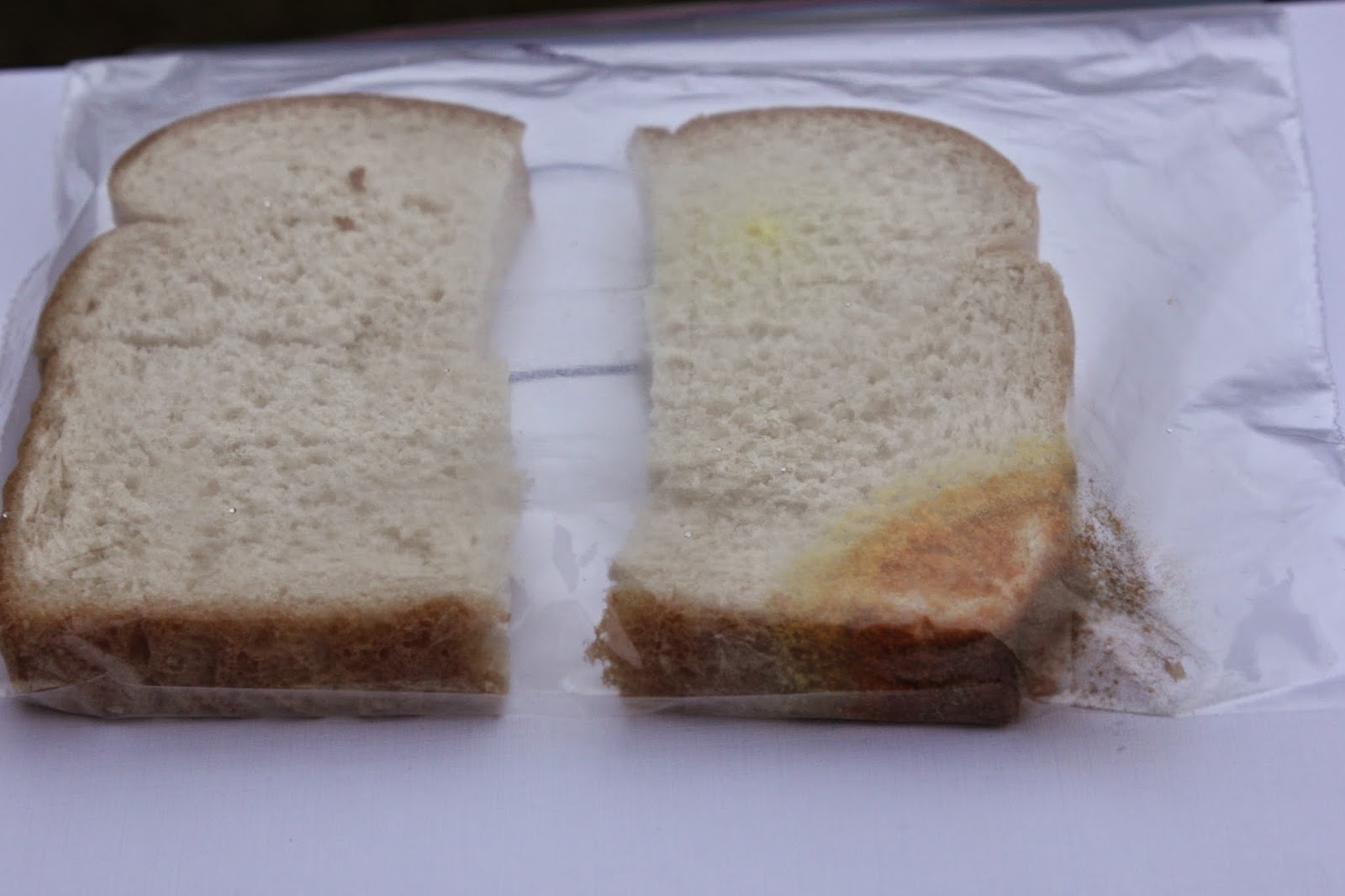
Observe the bread slices daily for signs of mold.
Record the amount and color of mold each day.
Compare mold growth under different conditions.
Analyze which condition had the quickest mold growth.
It is expected that warm and moist conditions will promote faster mold growth, while cooler or drier conditions will slow it down.
environmental conditions
rate of mold growth
type of bread, size of bread slice, type of bags, time of observation
Wash hands thoroughly after handling moldy bread and ensure proper disposal.
Use clear and colorful charts to display your results.
Include photographs of the bread over time.
Explain the biology of mold and its implications.
Mold needs warmth and moisture to thrive, so environments providing these speed up growth.
Yes, ingredients and preservatives in the bread may affect mold growth rates.
Mold is a type of fungus that grows in the form of multicellular filaments called hyphae.