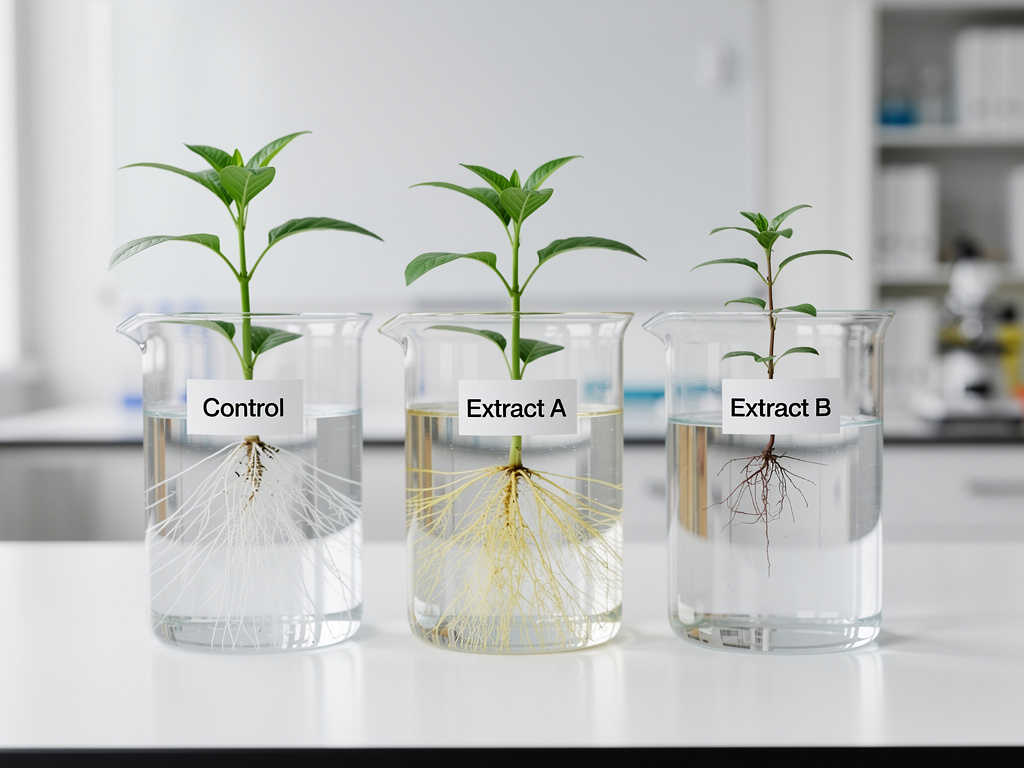
Allelopathy: Do Some Plants Inhibit Growth of Others Science Project
Investigate the allelopathic effects of certain plants on the growth of others. Conduct experiments to observe the relationships between different species!
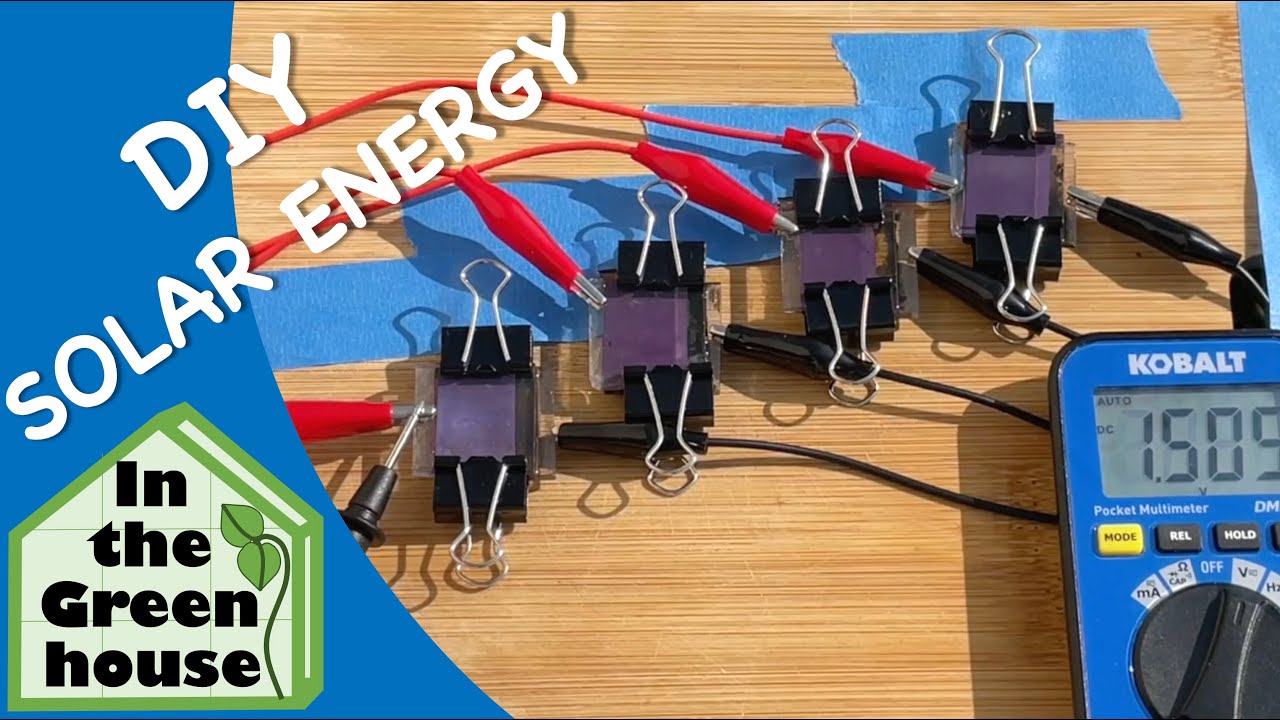
Students will create a simple solar cell that simulates the process of photosynthesis. This project demonstrates how sunlight can be converted into electrical energy.

If a dye-sensitized solar cell is exposed to sunlight, then it will convert solar energy into a measurable electrical current.
As an Amazon Associate, this site earns from qualifying purchases.
Crush the blackberries to extract the juice.
Coat one side of a glass plate with the juice.
Use a pencil to coat the other glass with graphite.
Mix salt with water to create an electrolyte solution.
Attach the two glass plates with coated sides facing inward.
Use binder clips to hold the plates together.
Insert the electrolyte solution between the plates.
Expose the setup to sunlight and measure the voltage.
Record and analyze the electrical output.
The solar cell is expected to produce a small electrical current when exposed to sunlight, demonstrating energy conversion similar to photosynthesis.
amount of sunlight exposure
electrical current produced
type of berries, size of glass plates, concentration of electrolyte solution
Handle glass plates carefully to avoid cuts, and ensure proper disposal of berry waste.
Create a visual comparison between your solar cell and natural photosynthesis.
Use graphs to display the current output under different conditions.
Discuss the potential of solar cells in renewable energy.
Just like photosynthesis converts sunlight to energy, the solar cell converts sunlight to electricity.
Blackberries contain natural pigments that absorb sunlight, similar to chlorophyll in plants.
It produces a small amount of electricity, mainly suitable for demonstration purposes.