Science Fair Projects
biologyhard high 12 days

Microbial Symphony: The Sound of Bacterial Growth

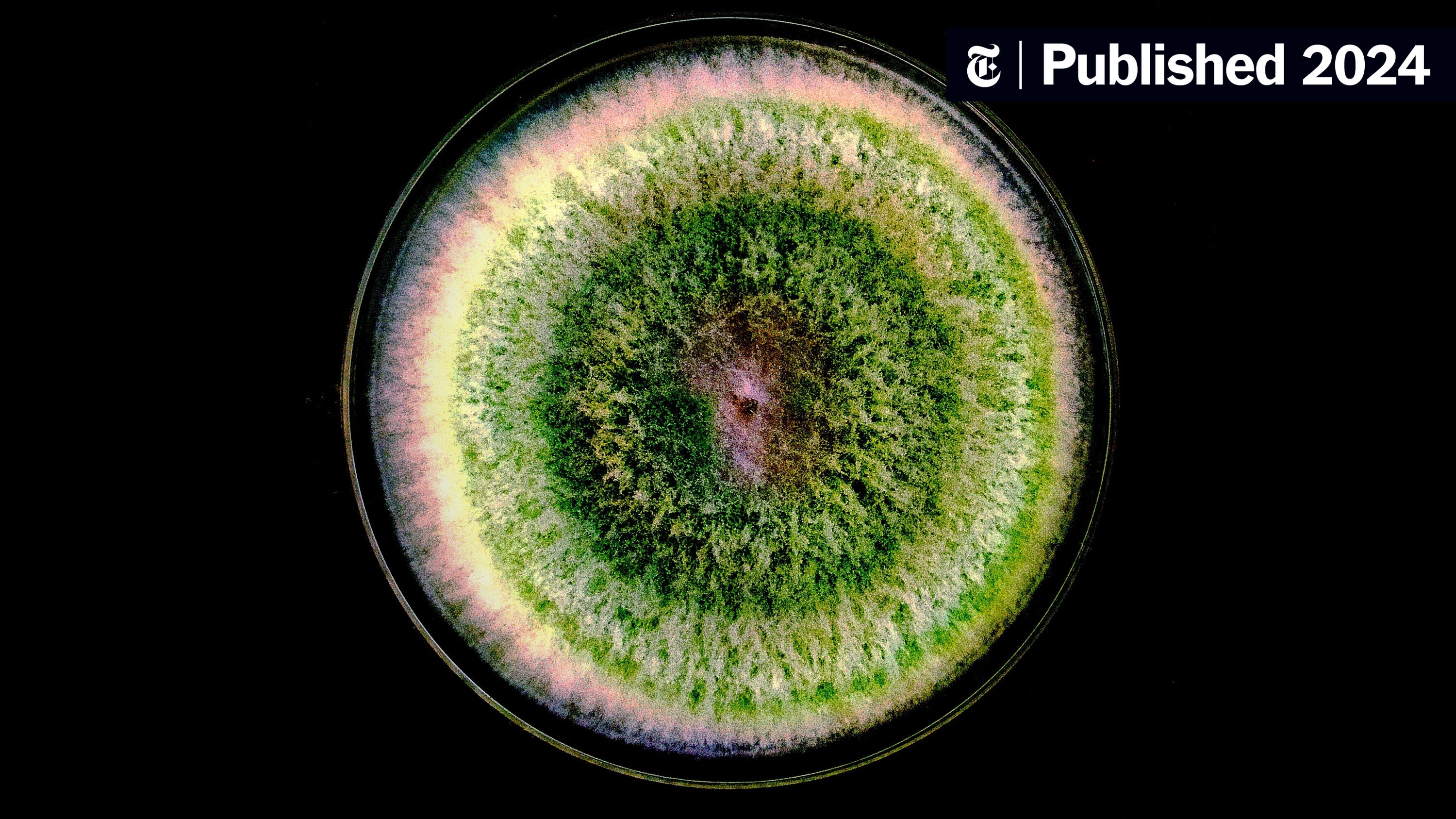
This project investigates the possibility of detecting bacterial growth through micro-acoustic signals. By using sensitive microphones and sound analysis software, students can explore correlations between sound frequency changes and bacterial colony development.

Microbial Symphony: The Sound of Bacterial Growth

Hypothesis

If bacterial growth produces distinct acoustic signals, then these sounds can be used to monitor colony development over time.

Materials Needed

Petri dishes with agar10Buy
Bacterial cultures3Buy
Sensitive microphone1Buy
Sound analysis software1Buy
Incubator1Buy
Sterile swabs20Buy
Audio recorder1Buy

As an Amazon Associate, this site earns from qualifying purchases.

Step-by-Step Procedure

  1. 1

    Prepare Petri dishes with bacterial cultures.

  2. 2

    Place Petri dishes in an incubator at optimal temperature.

  3. 3

    Set up a sensitive microphone above each Petri dish.

  4. 4

    Record acoustic signals at regular intervals.

  5. 5

    Analyze the recorded sounds using sound analysis software.

  6. 6

    Compare frequency changes with bacterial growth observations.

  7. 7

    Record data and note any correlations between sound and growth.

  8. 8

    Repeat the experiment to verify consistency of results.

  9. 9

    Adjust microphone sensitivity and validate findings.

  10. 10

    Document any acoustic patterns that correspond with bacterial phases.

Expected Results

It is expected that specific acoustic signals will correlate with different stages of bacterial growth, allowing for non-invasive monitoring of colony development.

Variables

Independent Variable

Bacterial species

Dependent Variable

Acoustic signal frequency

Controlled Variables

Temperature in incubator, Microphone placement, Agar composition, Sound recording intervals

Safety Notes

Ensure all bacterial handling is done in a sterile environment to prevent contamination and maintain personal hygiene.

Presentation Tips

  • Use audio clips to demonstrate the sounds detected.

  • Create visual graphs that correlate sound and growth data.

  • Include a discussion on potential practical applications.

Frequently Asked Questions

Like this project? Get more ideas!