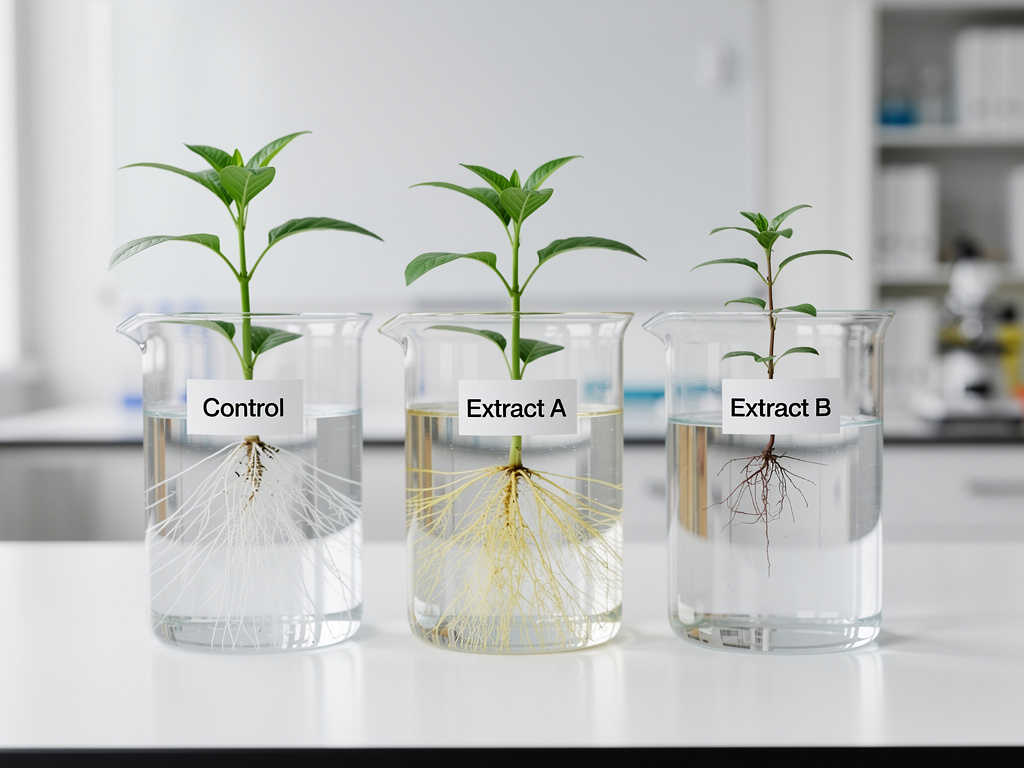
Allelopathy: Do Some Plants Inhibit Growth of Others Science Project
Investigate the allelopathic effects of certain plants on the growth of others. Conduct experiments to observe the relationships between different species!
This project investigates how different soil pH levels influence plant communities. By measuring soil pH and observing plant growth, students will learn about soil health and its importance in agriculture and ecology.

If soil pH levels are measured and compared, then different plants will show varying growth patterns based on the pH of the soil.
As an Amazon Associate, this site earns from qualifying purchases.
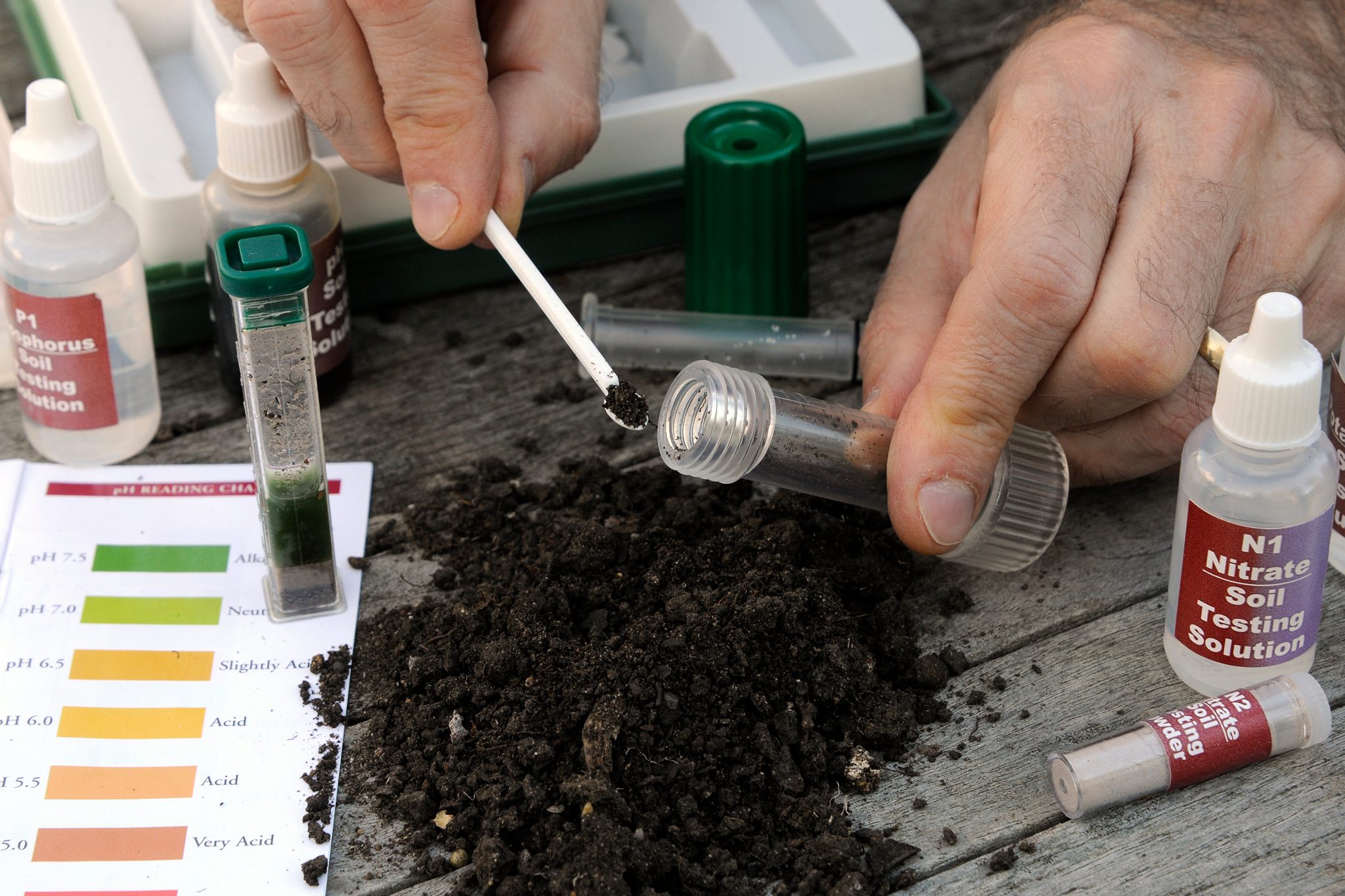
Collect soil samples from various locations with different vegetation.
Use the pH testing kit to measure the pH levels of each soil sample.
Plant seeds from different plant types in pots with each soil sample.
Water the plants regularly and provide equal sunlight.
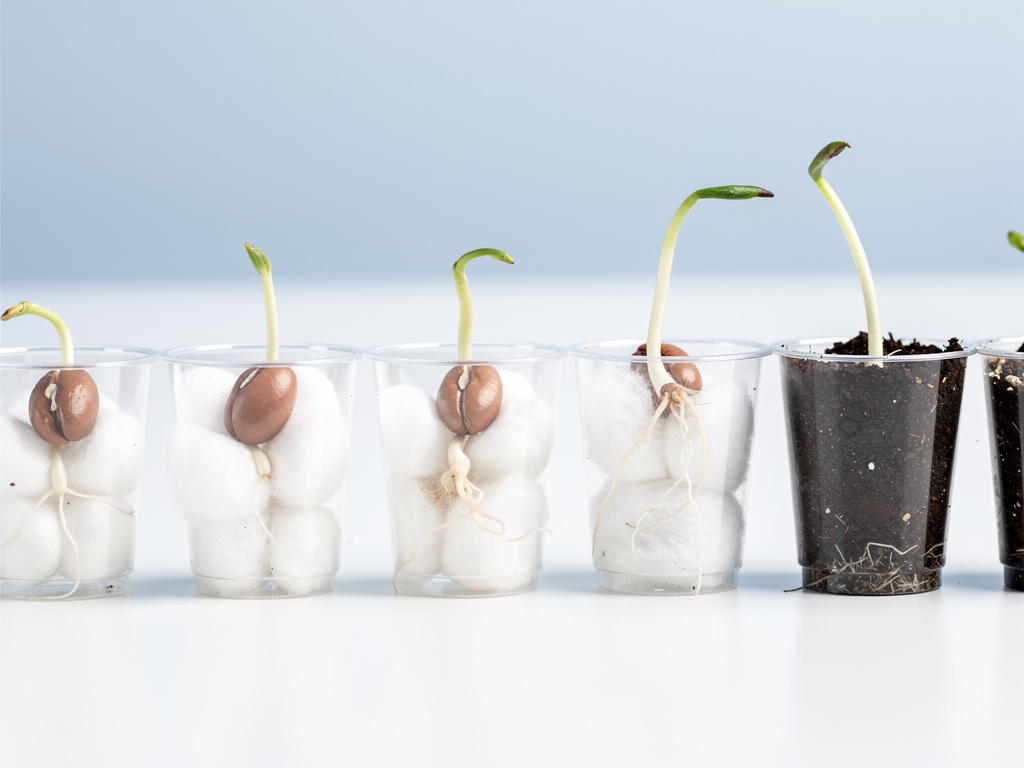
Record plant growth and health weekly.
Analyze the relationship between soil pH and plant growth.
Create graphs to display your findings.
Discuss the implications of soil health on plant communities.
Students should observe that certain plants thrive better in specific pH levels, demonstrating the importance of soil chemistry in plant health and growth. This will highlight how soil pH can influence agricultural practices.
Soil pH levels
Plant growth and health
Type of plants used, Watering schedule, Amount of sunlight
Handle soil samples with clean hands and avoid ingestion.
Create a visual chart showing plant growth relative to pH levels.
Include photographs of plants at different growth stages.
Discuss the practical applications of soil pH in agriculture.
Engage your audience with questions about soil health.
Provide handouts with your findings and recommendations.
Most plants thrive in a pH range of 6.0 to 7.5.
Yes, but it's best to analyze local soil to understand its specific properties.
Soil can be amended with lime to raise pH or sulfur to lower pH.