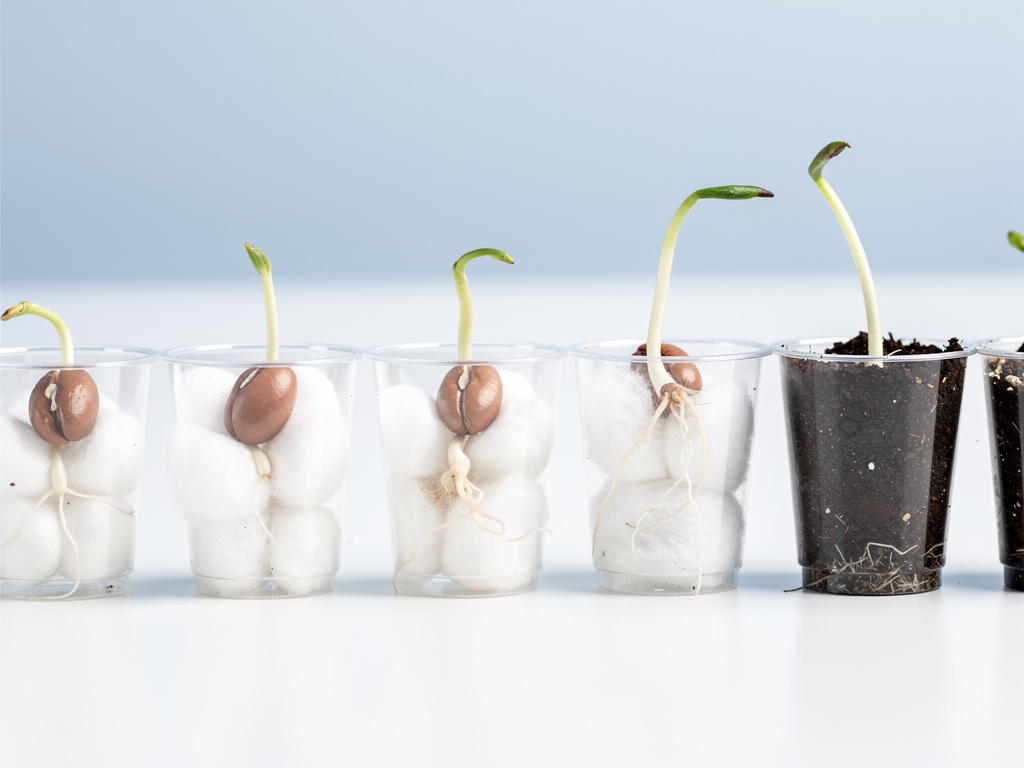
Allelopathy: Do Some Plants Inhibit Growth of Others Science Project
Investigate the allelopathic effects of certain plants on the growth of others. Conduct experiments to observe the relationships between different species!
This project utilizes lichen to assess air quality. By examining lichen diversity and health in various locations, students can draw conclusions about environmental conditions.

If I assess lichen diversity in different areas, then areas with higher pollution will show less lichen variety and health.
As an Amazon Associate, this site earns from qualifying purchases.
Select five locations with varying air quality to collect lichen samples.
Record the location and environmental conditions at each site.
Use a measuring tape to identify the area where lichens grow.
Collect lichen samples and document their health.
Take photographs of the collected lichens.
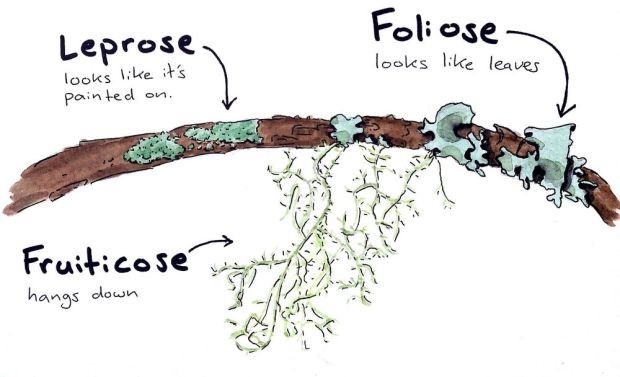
Identify the species of lichen using the identification guide.
Analyze the diversity and health of lichens at each location.
Compile data and draw conclusions about air quality.
Areas with better air quality should show a greater diversity and health of lichen, while polluted areas will have fewer or unhealthy lichen species.
Location of lichen samples
Diversity and health of lichen
Time of year, Weather conditions, Type of lichen
Avoid touching lichens and wash hands after handling samples.
Use visuals to show lichen samples and locations.
Discuss the significance of lichens in environmental science.
Present findings in a clear, organized manner.
Engage the audience with questions about air quality.
Lichens are sensitive to air pollution, making them effective indicators of air quality.
Yes, lichens can be found in urban areas, but their health might be affected by pollution.
Factors include moisture, sunlight, and substrate condition.