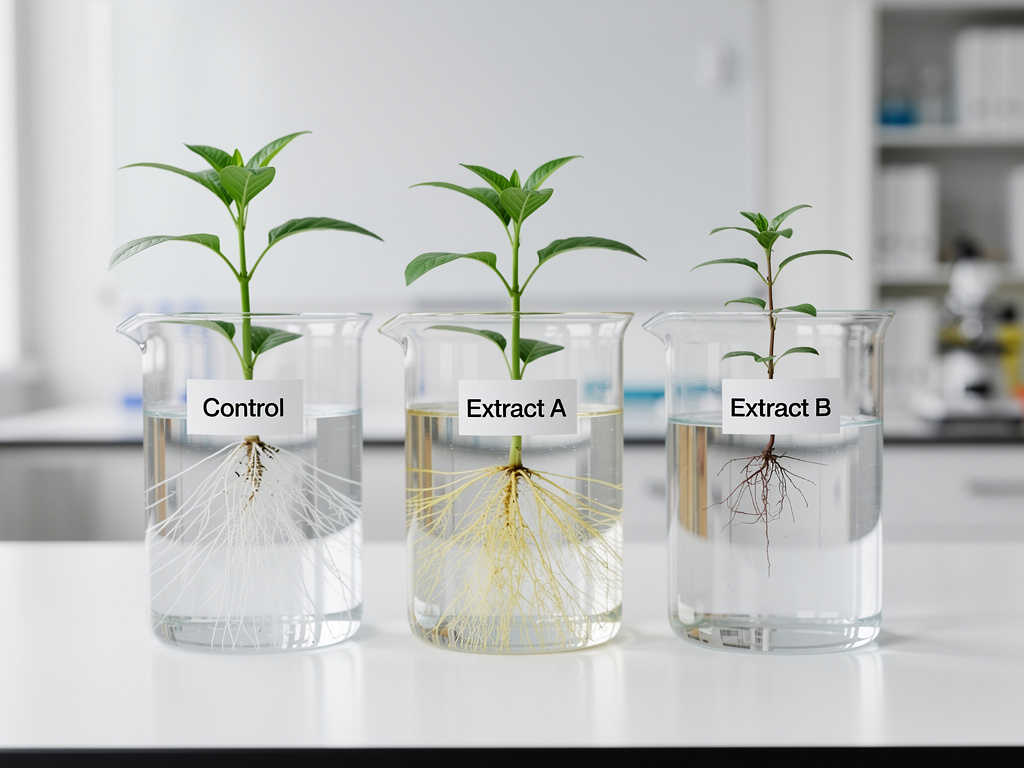
Allelopathy: Do Some Plants Inhibit Growth of Others Science Project
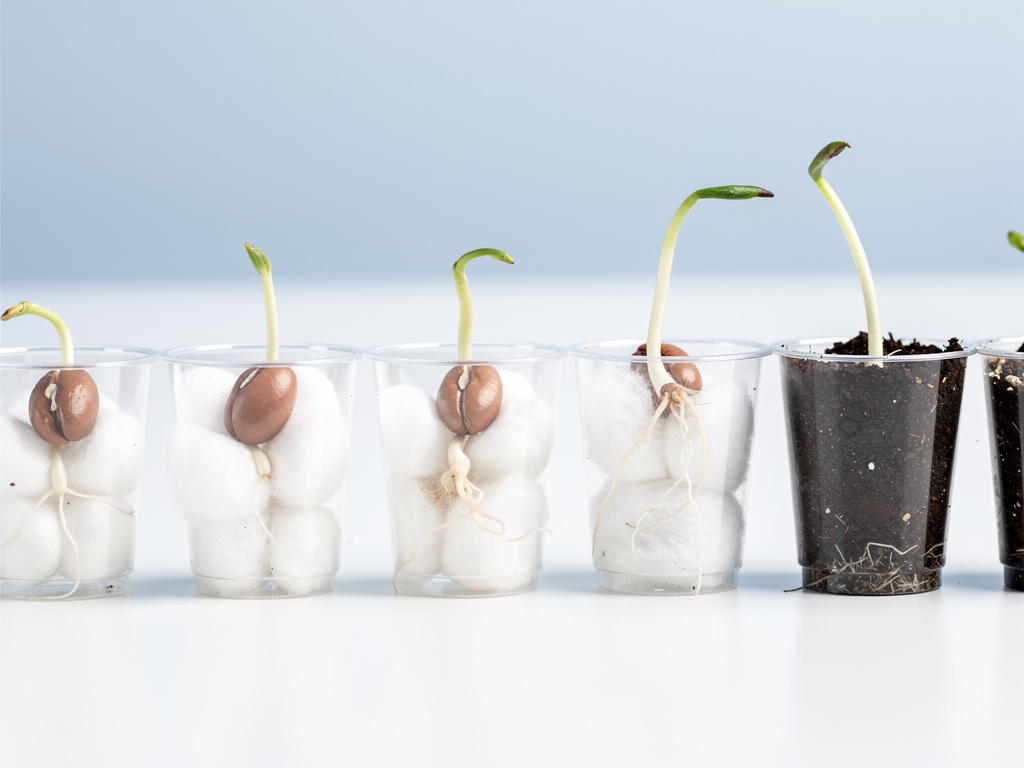
Investigate the allelopathic effects of certain plants on the growth of others. Conduct experiments to observe the relationships between different species!
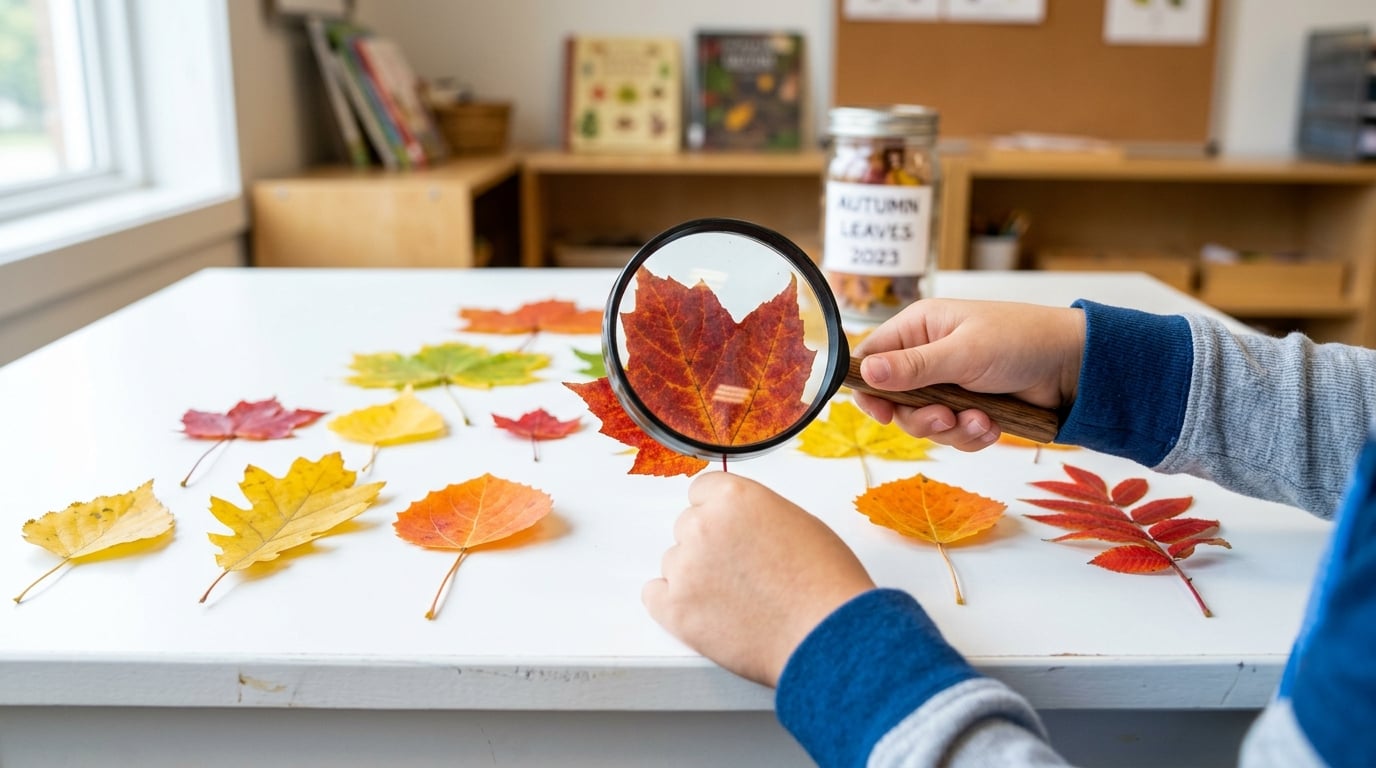
Create colorful prints from leaves to explore hidden pigments. Learn about chlorophyll and other pigments that contribute to a leaf's color.

If different leaves are used, then the leaf prints will show varied colors due to different pigments.
As an Amazon Associate, this site earns from qualifying purchases.
Gather different types of leaves from various plants.
Place a leaf between two sheets of white paper.
Cover the paper with plastic wrap.
Use a towel to cover the plastic wrap.
Gently hammer the leaf to transfer its pigments to the paper.
Remove the leaf and observe the imprint on the paper.
Repeat the process with different leaves.
Compare the colors and patterns of the leaf prints.
Record observations and note which pigments are visible.
Clean up the workspace.
Different leaves will produce different colored prints based on their unique pigment mix. The experiment will reveal colors such as greens, yellows, and reds.
Type of leaf
Colors of the leaf prints
Type of paper, Hammering method, Exposure time
Be cautious when using the hammer. Ensure the workspace is stable.
Use colorful images of the prints for your display.
Explain the role of pigments in photosynthesis.
Discuss why different pigments exist in leaves.
Leaves contain various pigments for photosynthesis and protection from sunlight.
Fresh leaves are recommended as they contain more pigments.
Ensure the leaf is fresh and adjust the hammering pressure.