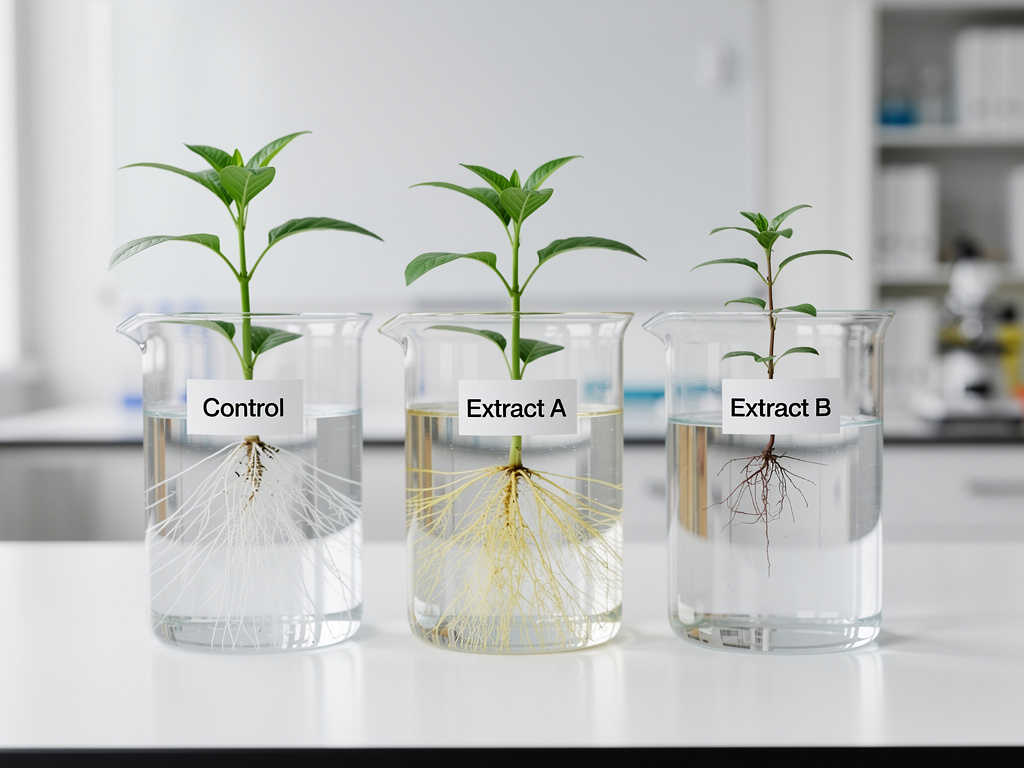
Allelopathy: Do Some Plants Inhibit Growth of Others Science Project
Investigate the allelopathic effects of certain plants on the growth of others. Conduct experiments to observe the relationships between different species!
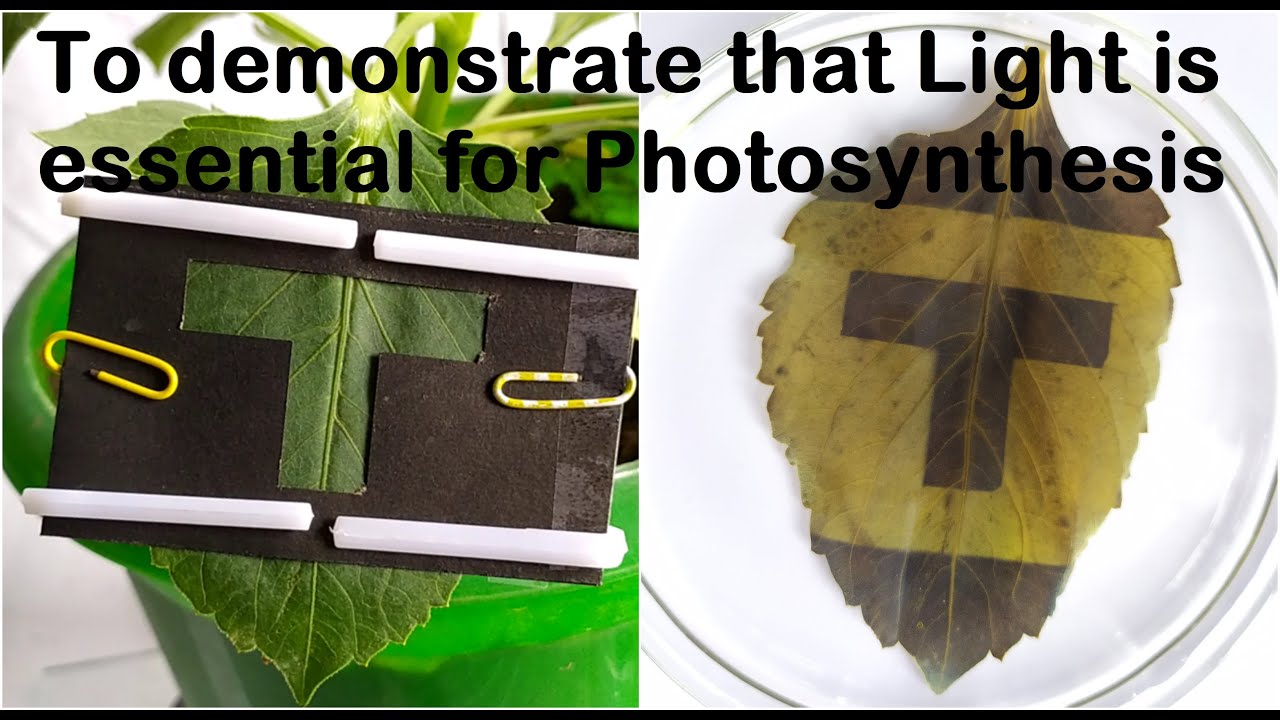
This project investigates how leaf color changes when exposed to different light conditions. Students will use leaves from the same plant and place them under varied lighting to observe changes.

If leaves are exposed to different light conditions, then the color of the leaves will change depending on the type of light.
As an Amazon Associate, this site earns from qualifying purchases.
Select a plant with healthy green leaves.
Place the plant in a location with sunlight.
Cover part of the plant with a box to create a dark environment.
Place other parts under an LED lamp and sunlight lamp.
Document the initial color of the leaves.
Observe and record changes daily over two weeks.
Photograph the leaves frequently to track changes.
Note any color changes for each light condition.
Measure the intensity of each light source.
Compare and analyze the results.
Leaves exposed to different light conditions will show varying degrees of color change. Those in the dark might fade, while others could remain green or change shades.
Type of light exposure
Color of leaves
Type of plant, Initial leaf color, Watering schedule
Handle all lamps carefully to prevent burns or electrical hazards.
Use clear photos to show leaf color changes.
Prepare a chart to illustrate the timeline of changes.
Discuss the importance of light in photosynthesis.
Leaves change color due to changes in chlorophyll as light conditions vary.
Chlorophyll is a pigment in leaves that helps plants absorb light for photosynthesis.
Light provides the energy plants need to produce food through photosynthesis.