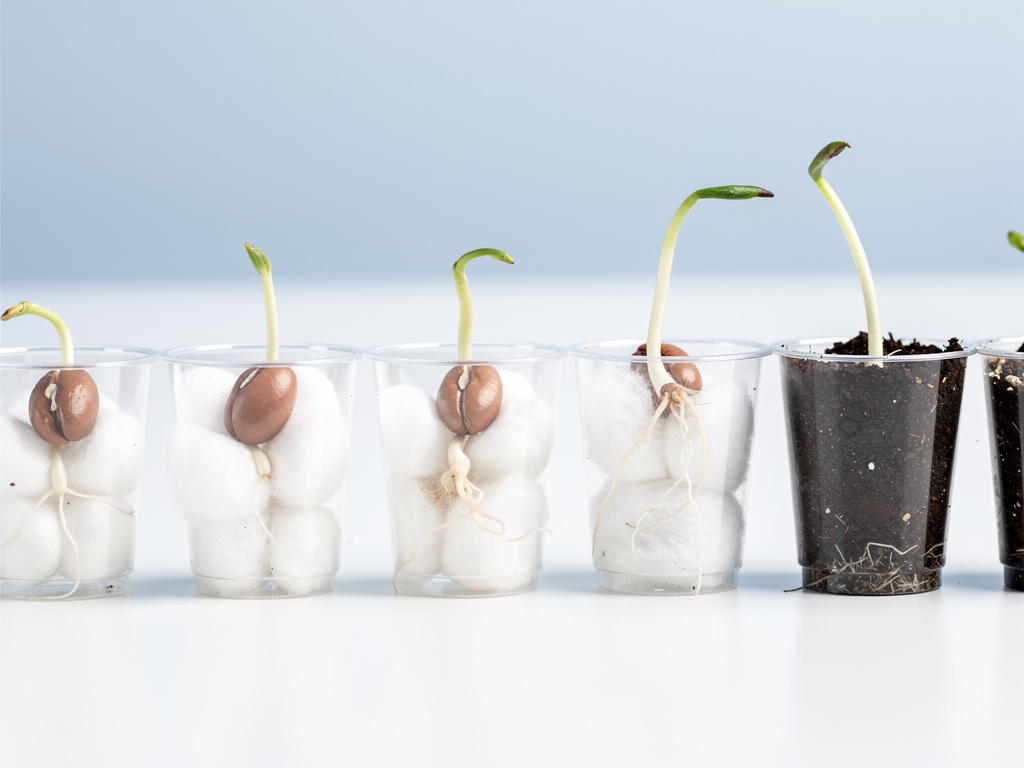
Allelopathy: Do Some Plants Inhibit Growth of Others Science Project
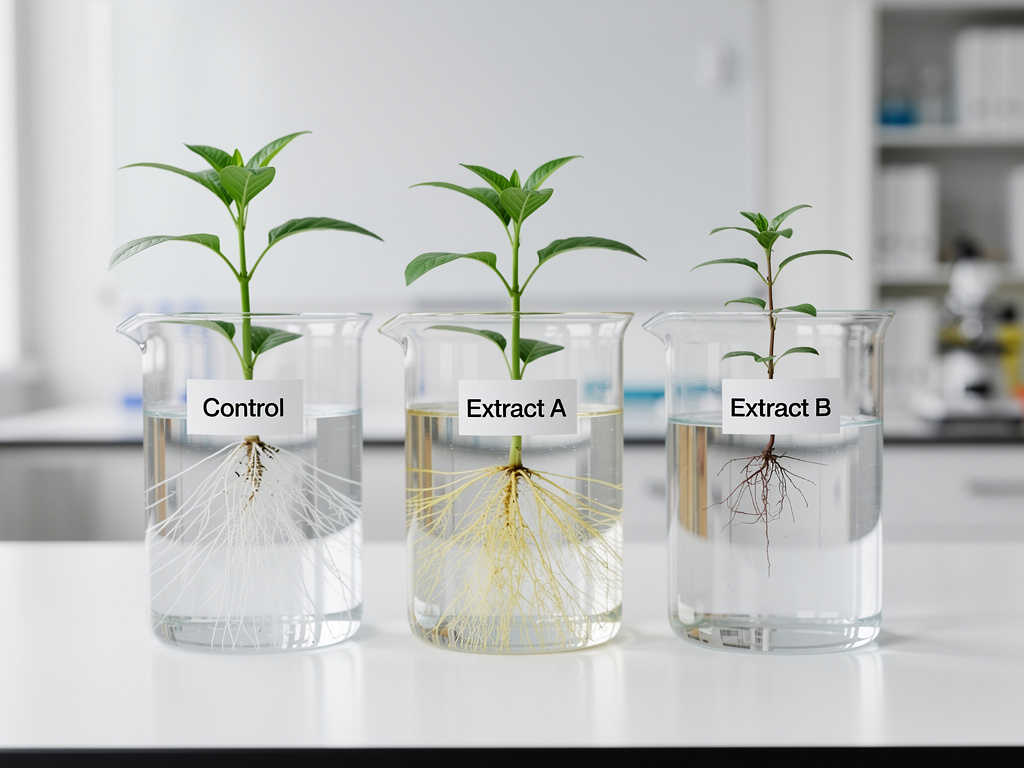
Investigate the allelopathic effects of certain plants on the growth of others. Conduct experiments to observe the relationships between different species!
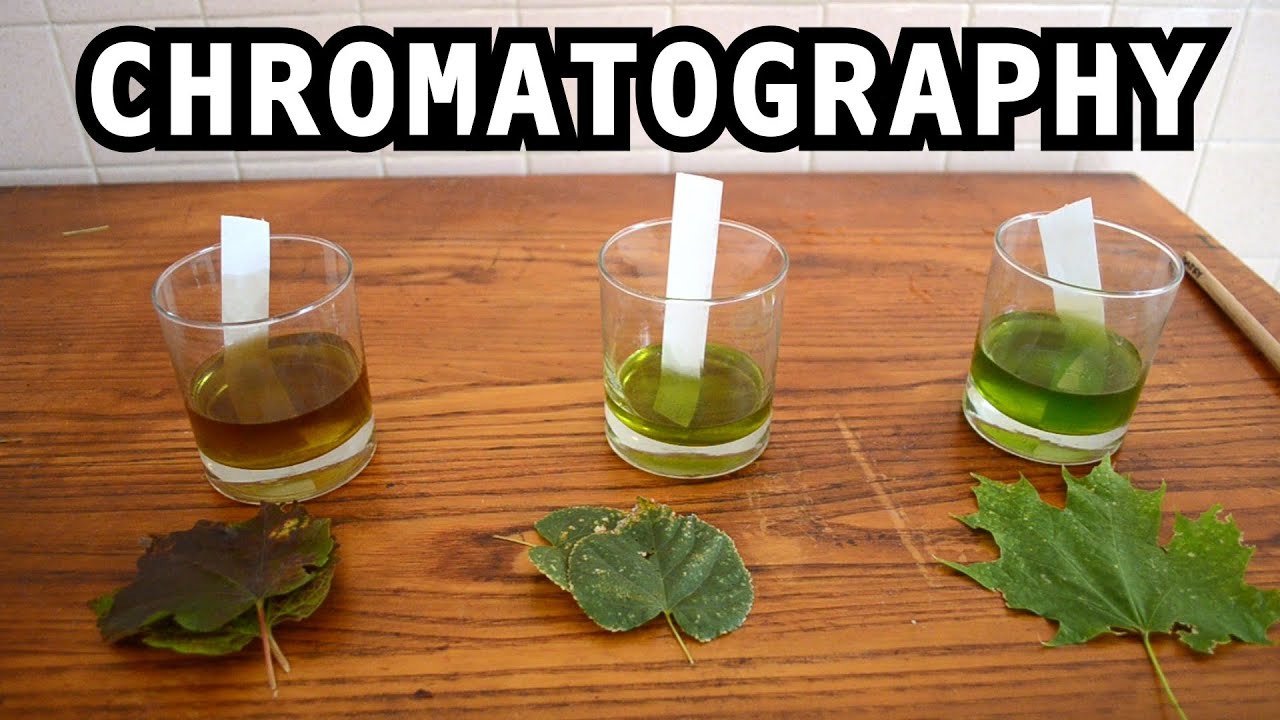
Students will explore the hidden pigments in leaves through paper chromatography. This project reveals the different pigments responsible for leaf colors.

If leaves are subjected to chromatography, then different pigments will separate, revealing a variety of colors.
As an Amazon Associate, this site earns from qualifying purchases.
Cut leaves into small pieces and place them in glass jars.
Pour rubbing alcohol into the jars to cover the leaf pieces.
Use a pencil to roll the filter paper and tape it to hold the shape.
Insert the rolled paper into the jar without submerging.
Leave the setup overnight to allow pigment separation.
Observe the bands of colors on the filter paper.
Record the different colors and their order on the paper.
Compare results between different types of leaves.
Draw conclusions about the pigments in various leaves.
Different leaves will reveal various pigments, such as chlorophyll, carotenoids, and anthocyanins, resulting in colorful bands.
type of leaf
colors and number of bands on paper
amount of rubbing alcohol, type of filter paper, size of leaf pieces
Handle rubbing alcohol with care and work in a well-ventilated area.
Create a vibrant display using the colored filter papers.
Explain the role of each pigment in plant health.
Include diagrams of the chromatography process.
Chromatography separates pigments, showing the different components that contribute to leaf color.
Alcohol helps dissolve the pigments in the leaves, allowing them to travel up the filter paper.
No, different leaves contain varying proportions of pigments, resulting in different band patterns.