Allelopathy: Do Some Plants Inhibit Growth of Others Science Project
Investigate the allelopathic effects of certain plants on the growth of others. Conduct experiments to observe the relationships between different species!
This project explores how different treatments affect seed germination rates. By comparing scarified, soaked, and untreated seeds, students will understand seed dormancy.

If seeds are scarified, then they will have a higher germination rate compared to soaked or untreated seeds.
As an Amazon Associate, this site earns from qualifying purchases.
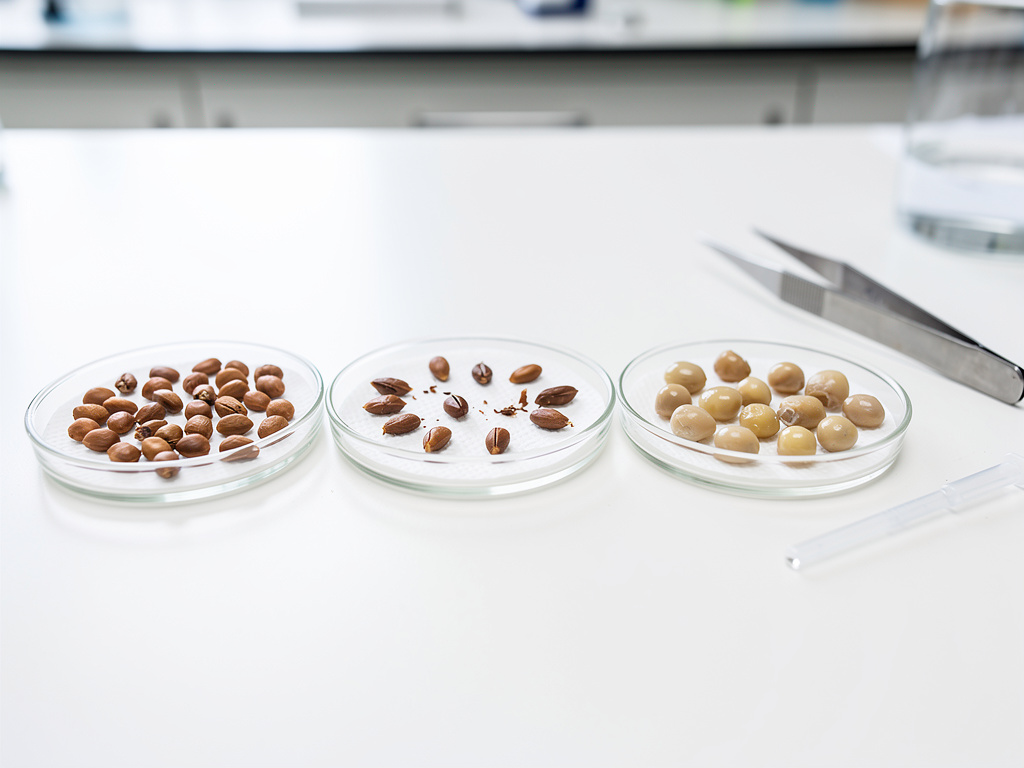
Divide seeds into three groups: scarified, soaked, and untreated.
Use sandpaper to gently scarify the surface of seeds in the first group.
Soak the second group of seeds in water for 24 hours.
Leave the third group of seeds untreated as a control.
Place 10 seeds from each group in separate Petri dishes lined with wet paper towels.
Cover dishes with plastic wrap to maintain moisture.
Label each dish according to the treatment.
Place dishes in a warm, light environment.
Check seeds daily, adding water if necessary.
Record the number of seeds that germinate each day.
Continue observations for 10 days.
Analyze data to compare germination rates among the groups.
It is expected that scarified seeds will show the highest germination rates, as scarification helps break seed dormancy. Soaked seeds may also have improved germination compared to untreated seeds.
Seed treatment method
Germination rate
Seed type, Temperature, Light exposure, Moisture level
Use caution when scarifying seeds to avoid injury.
Use clear charts to display germination rate data.
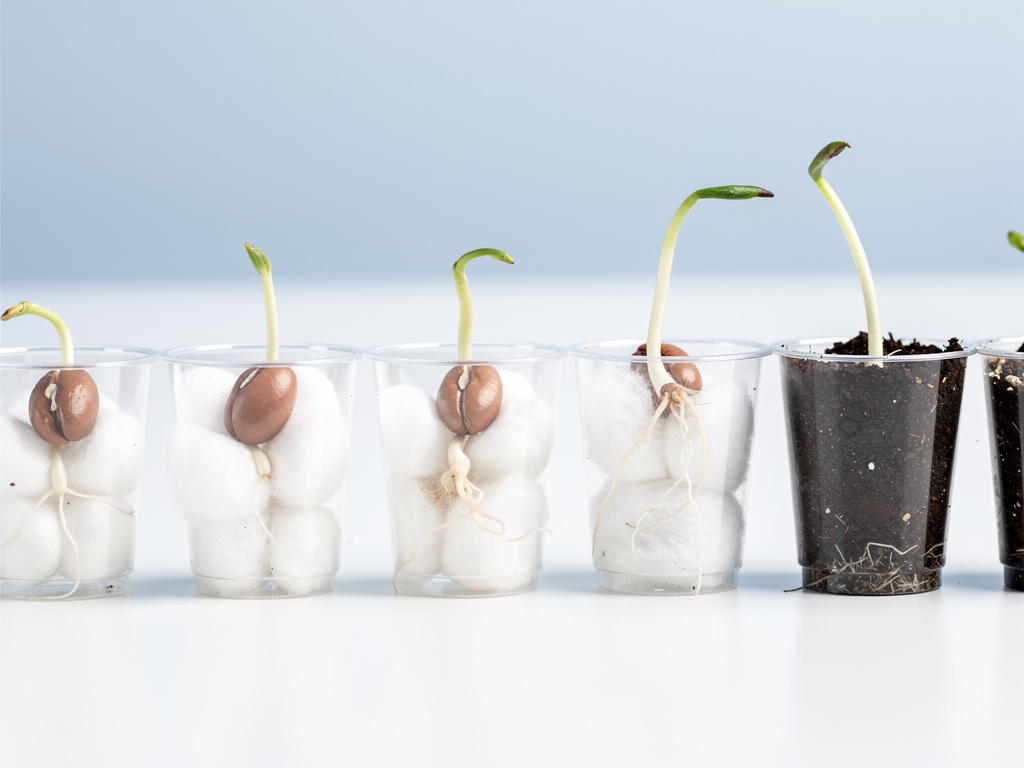
Include photos of seeds at different stages.
Discuss the biological significance of seed dormancy.
Scarification is the process of breaking or softening a seed's coat to encourage germination.
Untreated seeds serve as a control to compare the effects of scarification and soaking.
Yes, but ensure all seeds are the same type for consistent results.