Science Fair Projects
biologyhard high 28 days

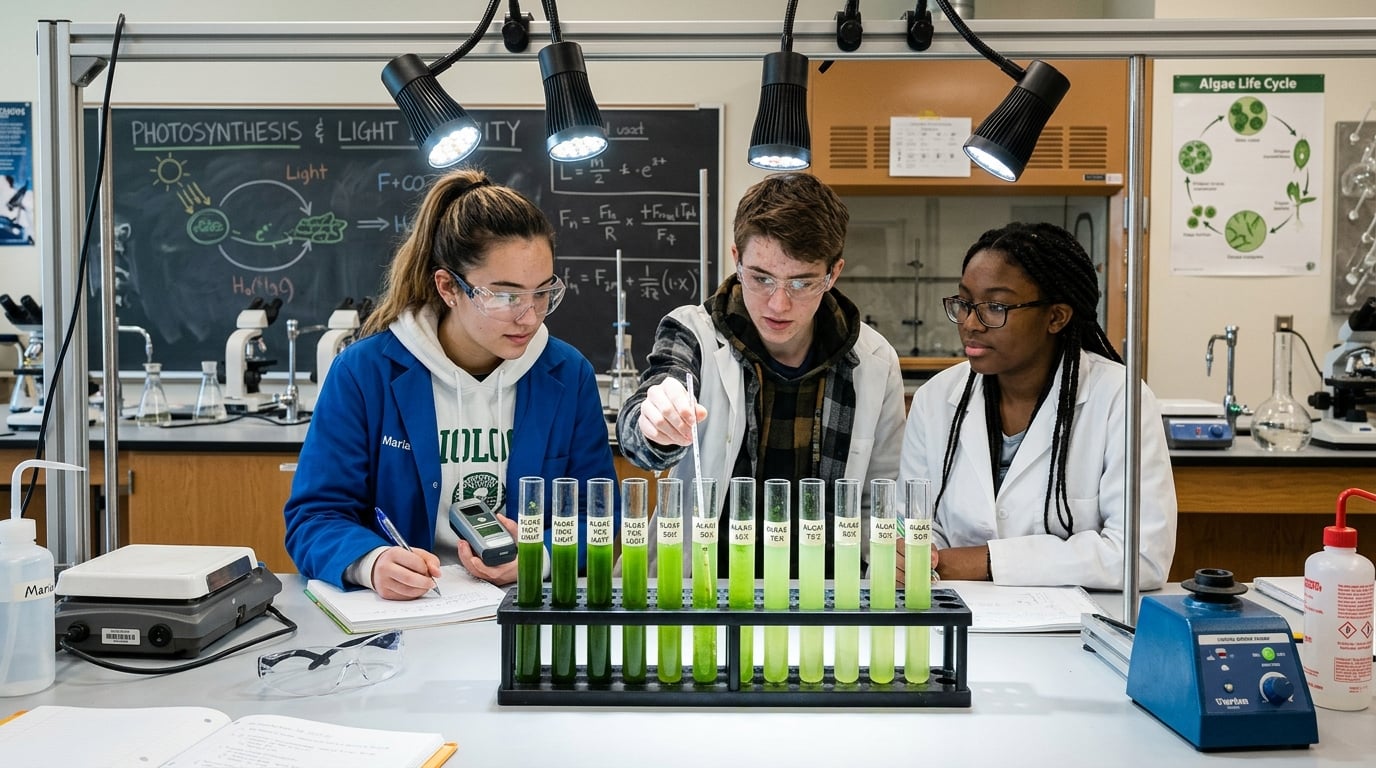
The Impact of Microgravity on Algal Photosynthesis

Investigate how microgravity conditions affect the rate of photosynthesis in algae using a clinostat to simulate a microgravity environment. This project explores fundamental biological processes in space-like conditions.

The Impact of Microgravity on Algal Photosynthesis

Hypothesis

If algae are exposed to simulated microgravity conditions, then their rate of photosynthesis will decrease compared to normal gravity conditions.

Materials Needed

Clinostat — 1Buy
Algae culture — 1Buy
Light source — 1Buy
Spectrophotometer — 1Buy
CO2 sensor — 1Buy
Liquid nutrient media — 1Buy
Petri dishes — 10Buy
Thermometer — 1Buy

As an Amazon Associate, this site earns from qualifying purchases.

Step-by-Step Procedure

  1. 1

    Step 1: Set up the clinostat and ensure it functions correctly.

  2. 2

    Step 2: Prepare algae cultures in Petri dishes with nutrient media.

  3. 3

    Step 3: Divide algae samples into two groups: control and experimental.

  4. 4

    Step 4: Place the experimental group on the clinostat to simulate microgravity.

  5. 5

    Step 5: Expose both groups to identical light and temperature conditions.

  6. 6

    Step 6: Measure the rate of photosynthesis using the spectrophotometer.

  7. 7

    Step 7: Record CO2 levels with the CO2 sensor regularly.

  8. 8

    Step 8: Compare photosynthetic rates between the control and experimental groups.

  9. 9

    Step 9: Repeat measurements over a 4-week period.

  10. 10

    Step 10: Analyze data and determine the impact of microgravity.

  11. 11

    Step 11: Document findings and prepare your presentation.

  12. 12

    Step 12: Conclude whether the hypothesis was supported by the data.

Expected Results

It is expected that the algae in the microgravity-simulated environment will show a reduced rate of photosynthesis compared to those in normal gravity conditions due to altered cellular processes.

Variables

Independent Variable

Gravity conditions

Dependent Variable

Rate of photosynthesis

Controlled Variables

Light intensity, Temperature, Nutrient availability, Algae species

Safety Notes

Ensure proper handling of the spectrophotometer and CO2 sensor. Maintain algae cultures in a controlled environment to prevent contamination.

Presentation Tips

  • Visualize your data using graphs to show differences in photosynthesis rates.

  • Explain the importance of studying photosynthesis in microgravity for space exploration.

  • Discuss potential real-world applications and implications of your findings.

  • Prepare to answer questions about your methodology and controls.

Frequently Asked Questions

Why use a clinostat?

A clinostat simulates microgravity by rotating samples, which is crucial for this experiment.

How is photosynthesis measured?

Photosynthesis is measured by assessing oxygen production and CO2 consumption using a spectrophotometer and CO2 sensor.

What are the implications of your findings?

Understanding photosynthesis in microgravity can aid in developing sustainable life support systems for space missions.

Related Projects

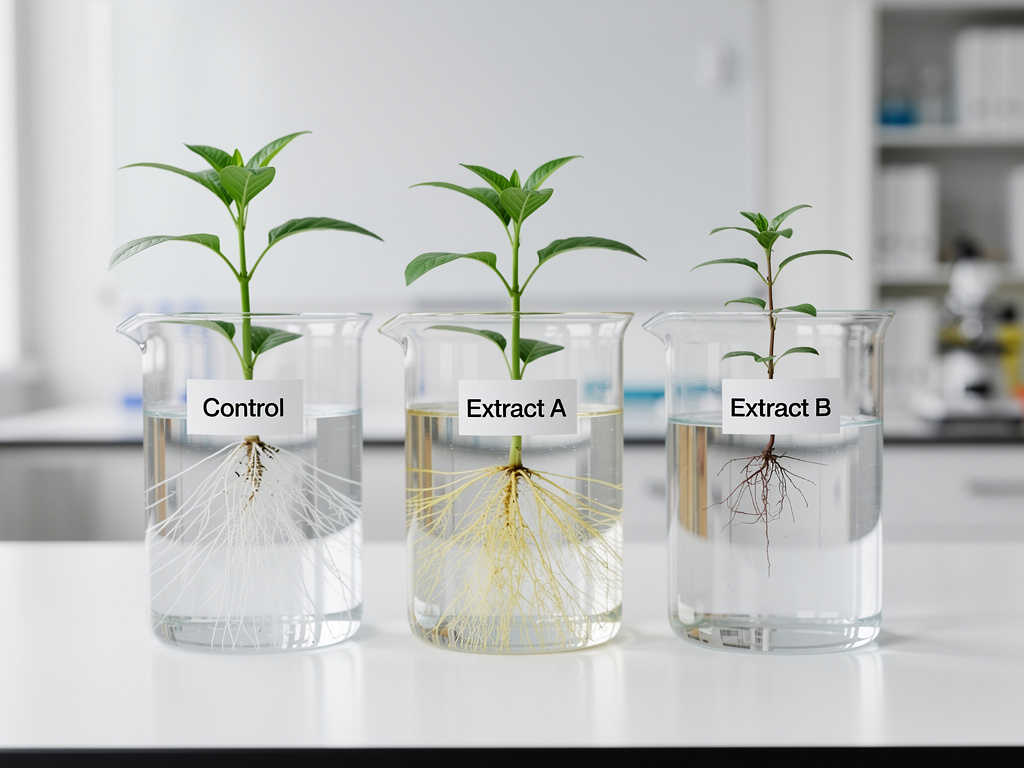
Allelopathy: Do Some Plants Inhibit Growth of Others Science Project
biologymedium

Allelopathy: Do Some Plants Inhibit Growth of Others Science Project

Investigate the allelopathic effects of certain plants on the growth of others. Conduct experiments to observe the relationships between different species!

10 days·high
Analyzing Local Water Quality for Contaminants
biologyhard

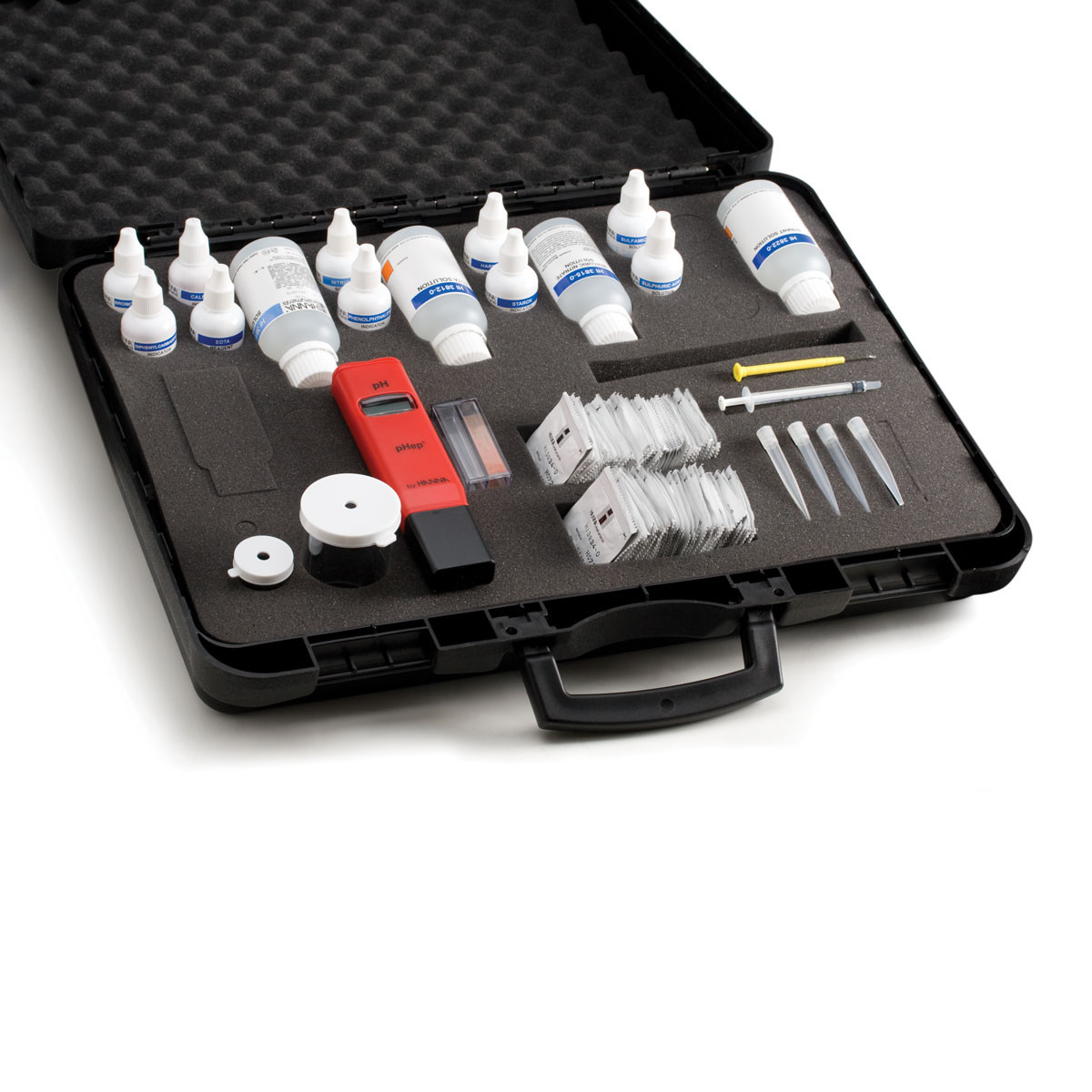
Analyzing Local Water Quality for Contaminants

In this science fair project, you will collect water samples from local sources and test them for contaminants such as nitrates, phosphates, and pH levels. By comparing your results with local water safety standards, you will assess the quality of your local water supply and its potential impacts on health and the environment.

7 days·high
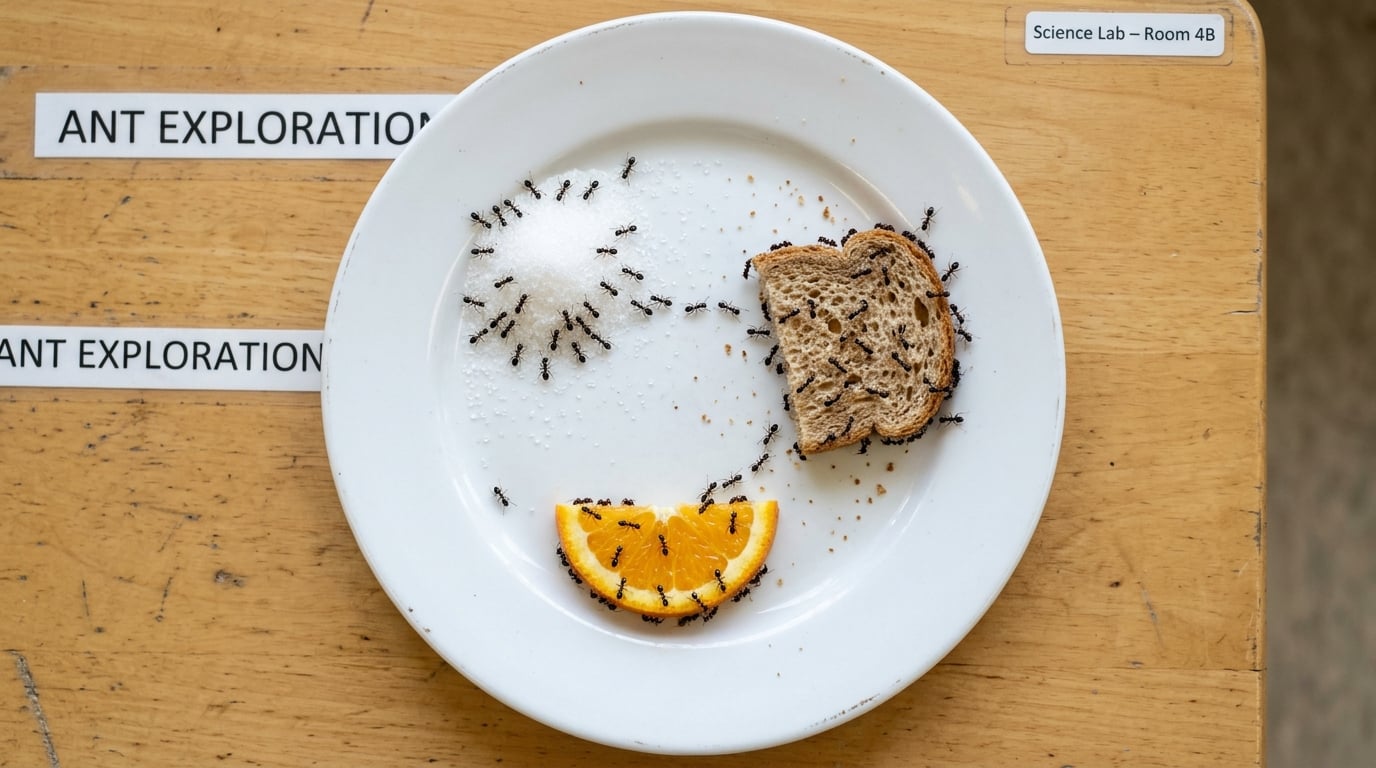
Ants on a Mission: Food Preferences in the Insect World
biologyeasy

Ants on a Mission: Food Preferences in the Insect World

Study ant behavior by observing which types of food they prefer. This project helps to understand the dietary habits of ants in a natural setting.

5 days·elementary
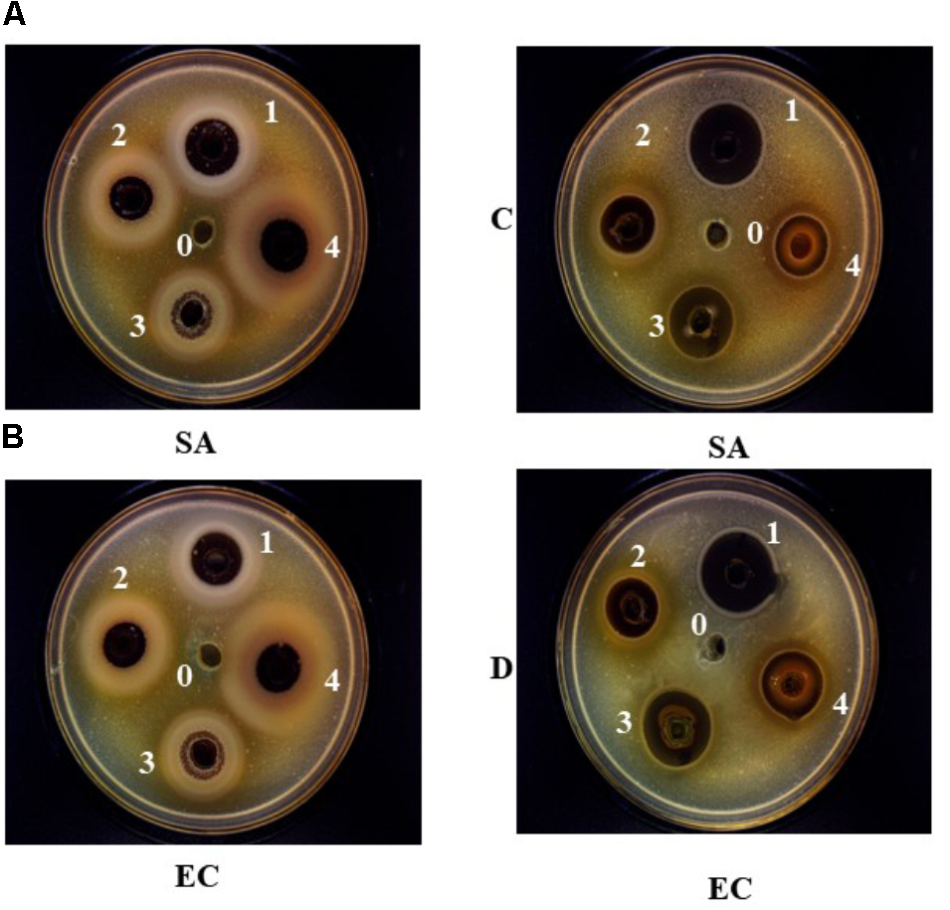
Bacterial Battle: Testing Natural Antibiotics From Household Items
biologymedium

Bacterial Battle: Testing Natural Antibiotics From Household Items

Test the effectiveness of common household items like garlic and honey as natural antibiotics against bacteria. Analyze which substance shows the best antibacterial properties.

14 days·middle
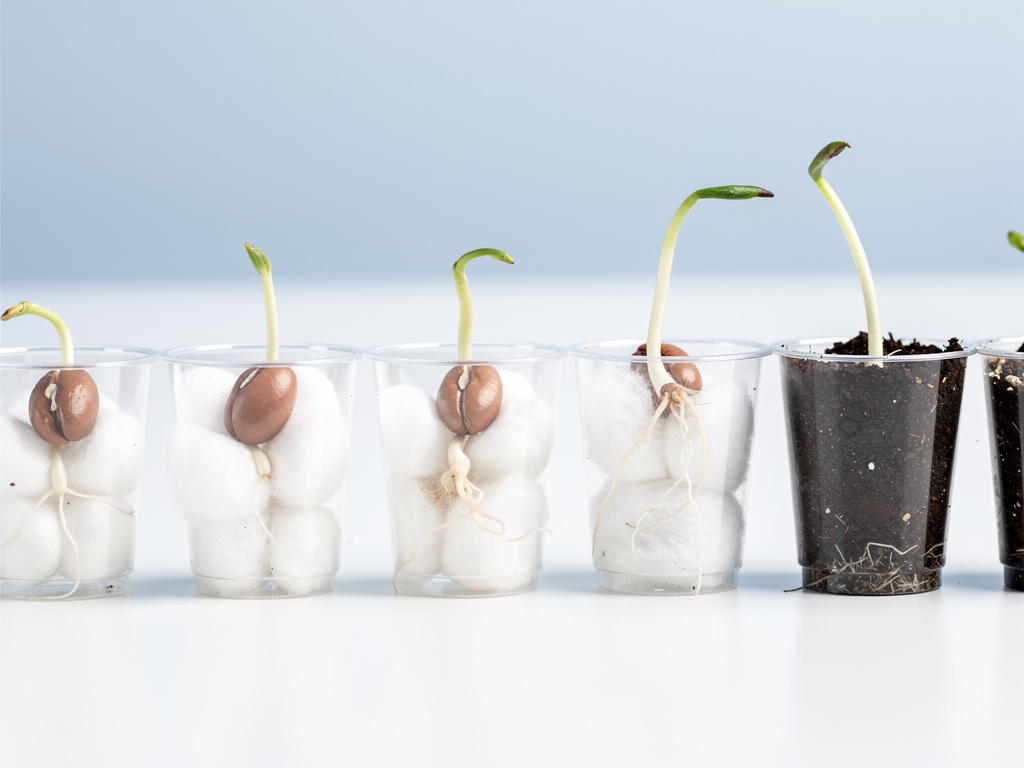
Bean Germination Experiment - How Plants Grow from Seeds Science Project
biologyeasy

Bean Germination Experiment - How Plants Grow from Seeds Science Project

Explore the fascinating process of seed germination with a hands-on bean experiment. Observe how seeds sprout and grow into healthy plants in just a few days, while learning about the needs of living organisms!

4 days·elementary
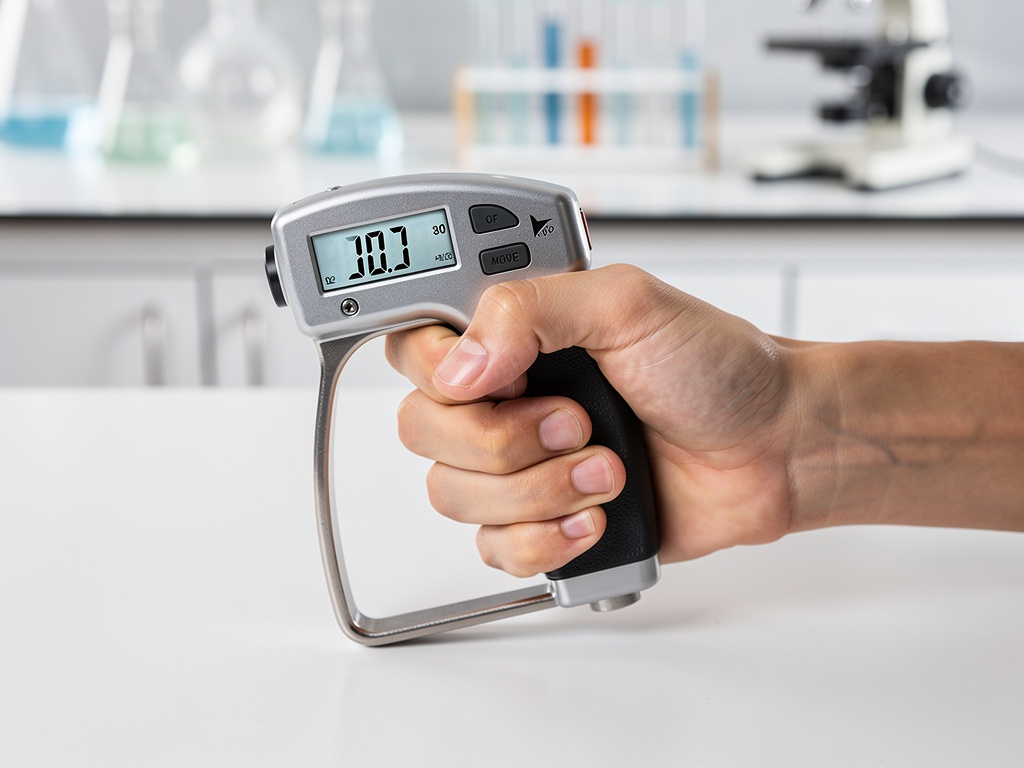
Biomechanics of the Human Hand - Grip Strength Variables Science Fair Project
biologymedium

Biomechanics of the Human Hand - Grip Strength Variables Science Fair Project

This project investigates how different factors affect grip strength in the human hand. By measuring grip strength under various conditions (like hand position and fatigue), students gain insights into the biomechanics of hand function and its applications in health and sports.

7 days·high

Like this project? Get more ideas!