Science Fair Projects
biologymedium high 7 days

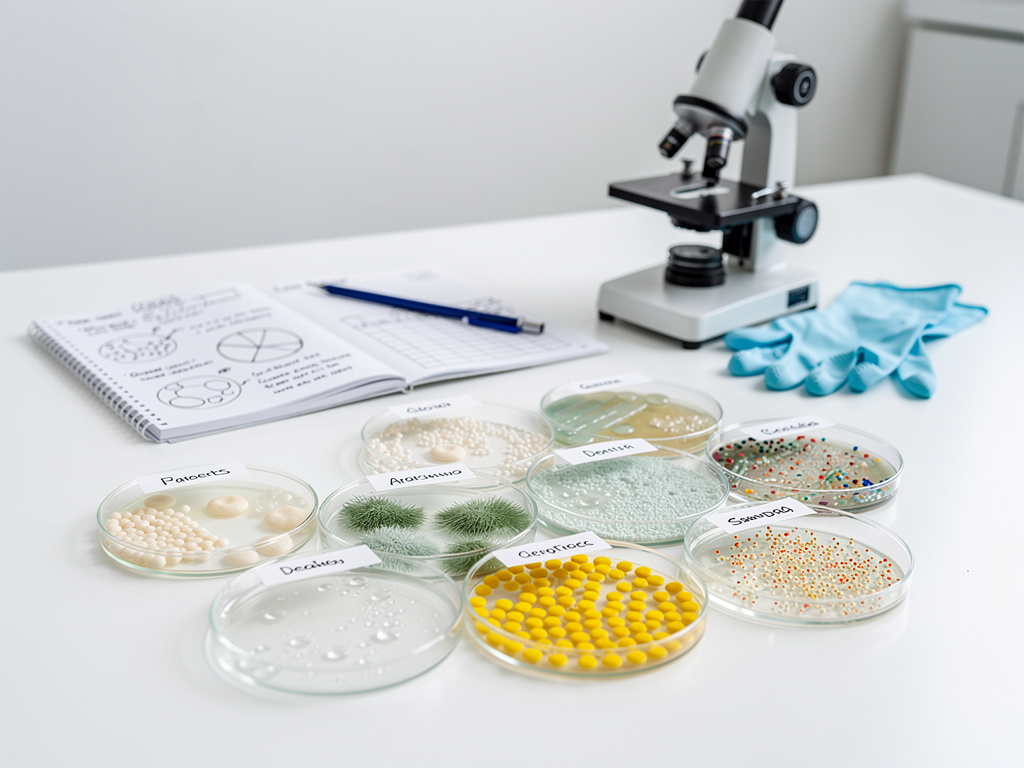
Growing Bacteria from Household Surfaces - Petri Dish Experiment

This experiment allows students to collect and grow bacteria from various household surfaces. By using petri dishes, they can observe bacteria growth and learn about hygiene and microbiology.

Growing Bacteria from Household Surfaces - Petri Dish Experiment

Hypothesis

If bacteria are collected from different household surfaces, then those surfaces that are less cleaned will show higher levels of bacterial growth.

Materials Needed

petri dishes — 5Buy
agar (prepared or powder) — 1 packetBuy
swabs — 5Buy
household surfaces (kitchen counter, doorknob) — as neededBuy
marker — 1Buy
water — as neededBuy
incubator or warm area — 1Buy
notebook — 1Buy
pen — 1Buy

As an Amazon Associate, this site earns from qualifying purchases.

Step-by-Step Procedure

  1. 1

    Prepare agar in petri dishes according to package instructions.

  2. 2

    Label each petri dish with the surface name from which the bacteria will be collected.

  3. 3

    Use a swab to collect samples from each surface.

  4. 4

    Gently rub the swab onto the agar surface in the petri dish.

  5. 5

    Seal the petri dishes and place them in a warm area or incubator.

  6. 6

    Observe daily for bacterial growth for about a week.

  7. 7

    Document the type and amount of growth in each dish.

  8. 8

    Analyze which surfaces had the most bacterial growth.

Expected Results

You should see bacterial colonies growing on the agar plates, with varying amounts depending on the cleanliness of the surfaces sampled.

Variables

Independent Variable

type of surface sampled

Dependent Variable

amount of bacterial growth

Controlled Variables

type of agar, duration of incubation, swabbing technique

Safety Notes

Handle bacteria with care and wash hands thoroughly after the experiment.

Presentation Tips

  • Include photos of the bacterial growth over time.

  • Discuss the importance of cleanliness in preventing bacteria.

  • Use charts to compare bacteria levels on different surfaces.

  • Prepare to answer questions about bacteria and hygiene.

  • Make a visual display of the results for clarity.

Frequently Asked Questions

Is it safe to handle bacteria?

Yes, as long as you follow safety precautions and avoid harmful bacteria.

Can I use any type of surface?

Yes, just ensure to choose a variety of surfaces for a better comparison.

What should I do with the petri dishes after the experiment?

Dispose of them properly, as they contain bacteria.

Related Projects

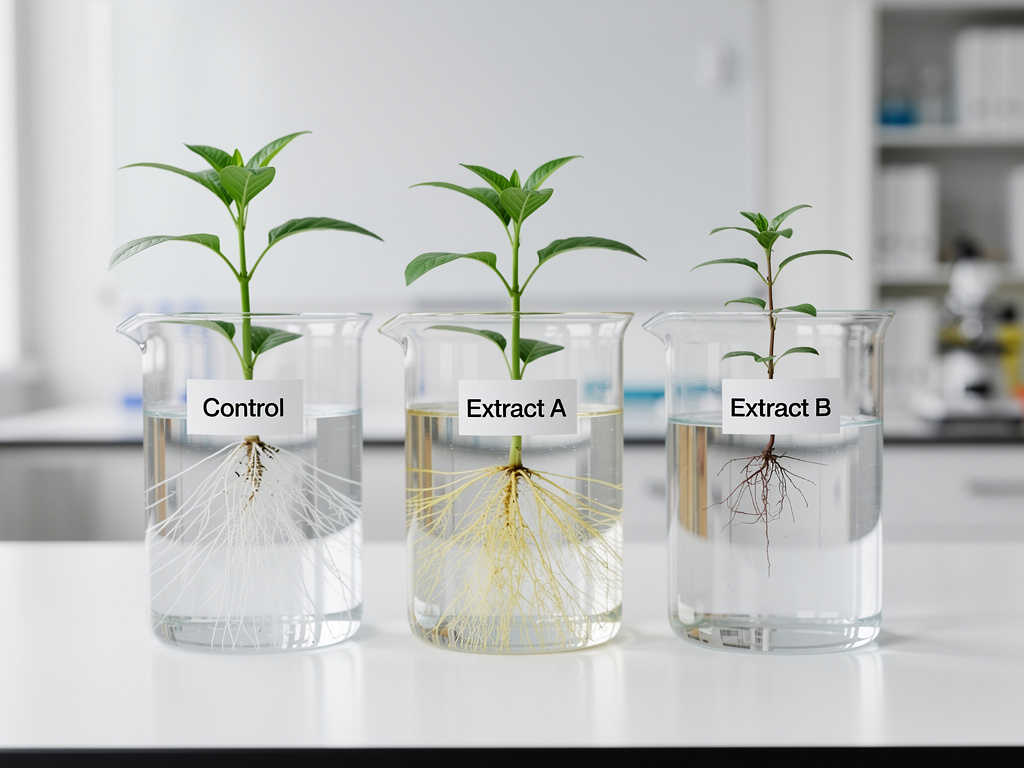
Allelopathy: Do Some Plants Inhibit Growth of Others Science Project
biologymedium

Allelopathy: Do Some Plants Inhibit Growth of Others Science Project

Investigate the allelopathic effects of certain plants on the growth of others. Conduct experiments to observe the relationships between different species!

10 days·high
Analyzing Genetic Variation with PCR-RFLP
biologyhard

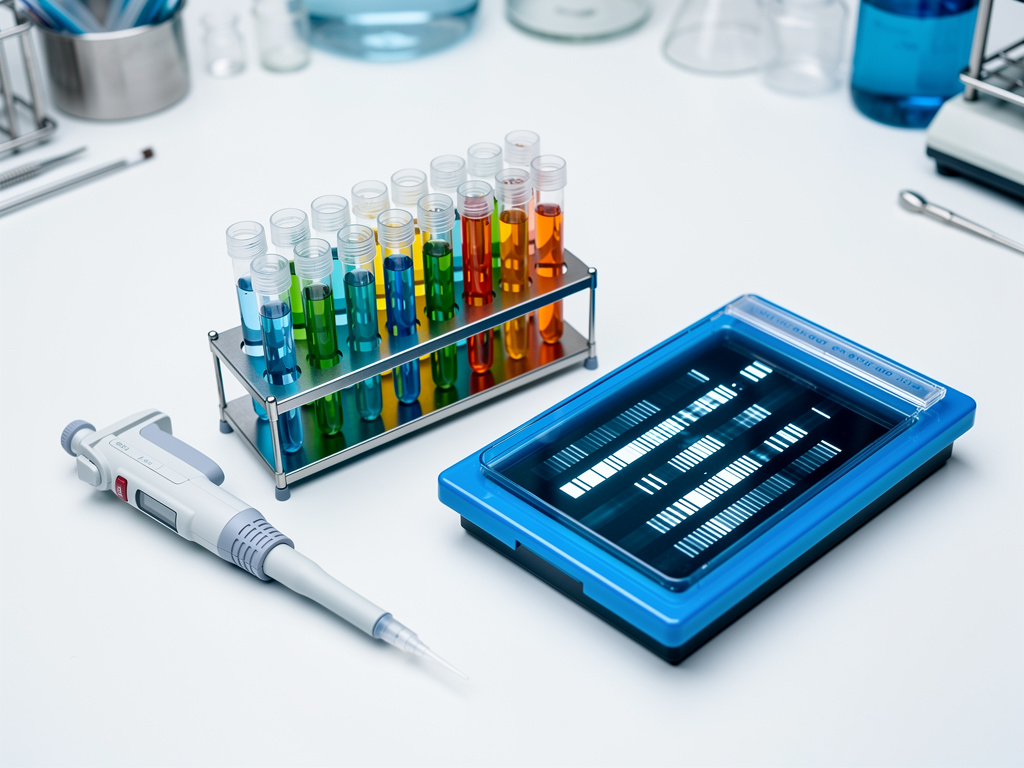
Analyzing Genetic Variation with PCR-RFLP

This experiment uses PCR-RFLP to study genetic variation in a gene fragment. Students will amplify and digest DNA to compare restriction patterns across samples.

15 days·high
Analyzing Local Water Quality for Contaminants
biologyhard

Analyzing Local Water Quality for Contaminants

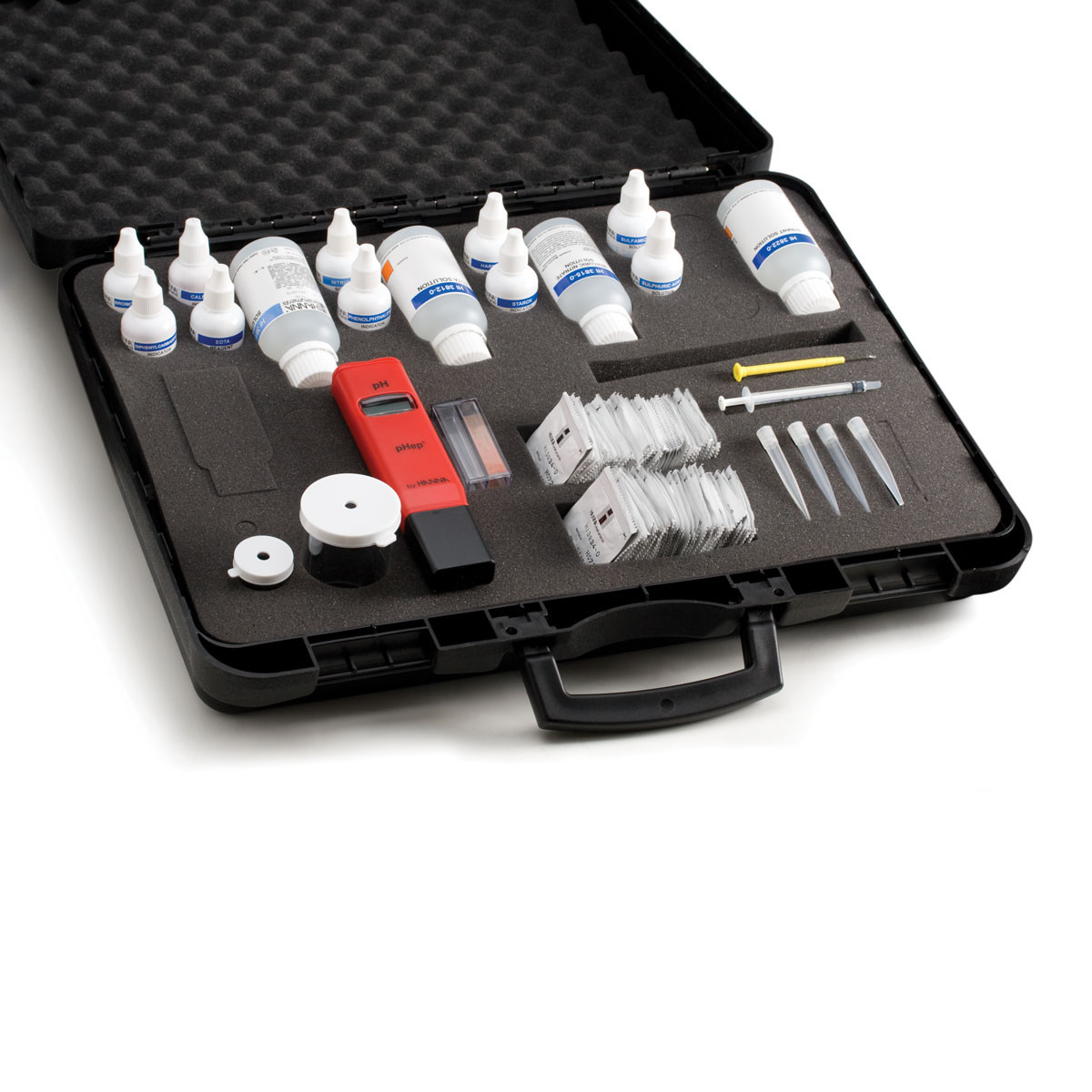
In this science fair project, you will collect water samples from local sources and test them for contaminants such as nitrates, phosphates, and pH levels. By comparing your results with local water safety standards, you will assess the quality of your local water supply and its potential impacts on health and the environment.

7 days·high
Ants on a Mission: Food Preferences in the Insect World
biologyeasy

Ants on a Mission: Food Preferences in the Insect World

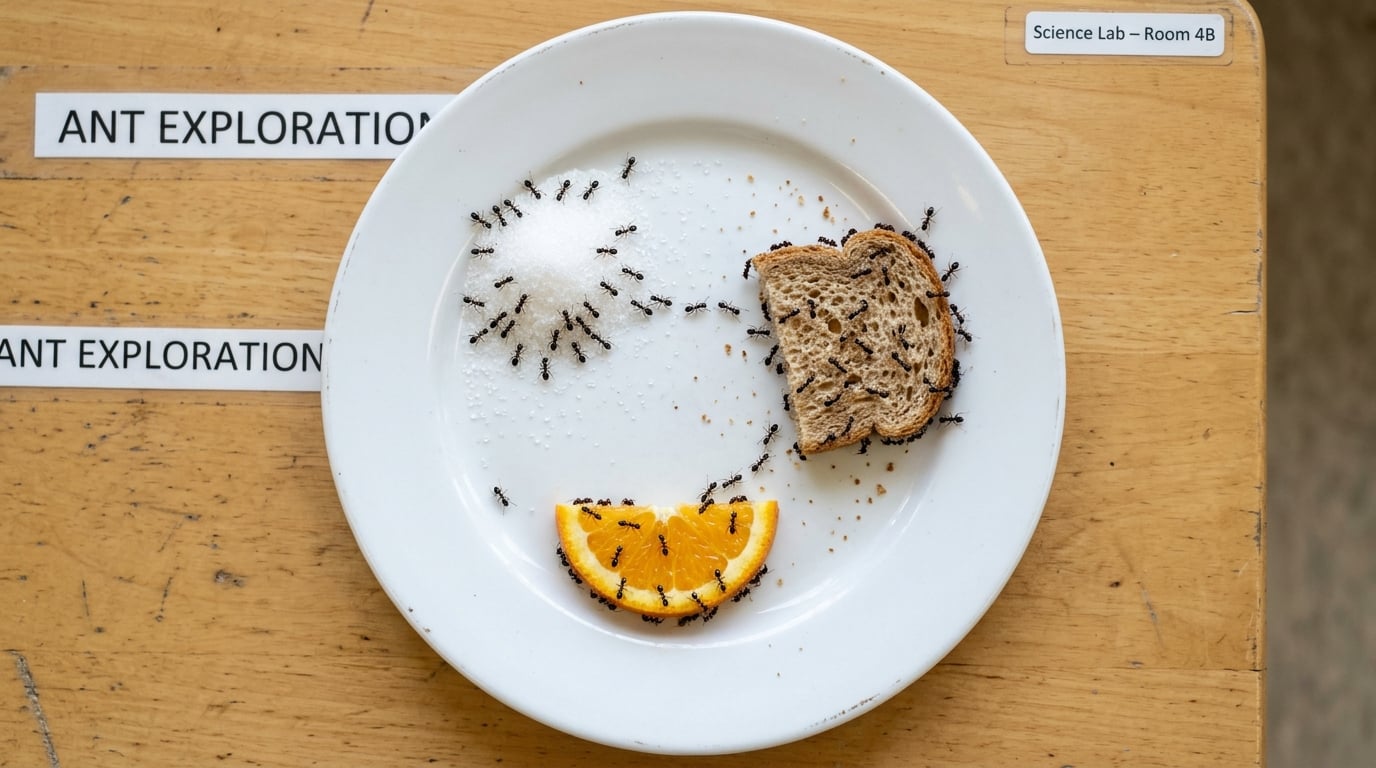
Study ant behavior by observing which types of food they prefer. This project helps to understand the dietary habits of ants in a natural setting.

5 days·elementary
Bacterial Battle: Testing Natural Antibiotics From Household Items
biologymedium

Bacterial Battle: Testing Natural Antibiotics From Household Items

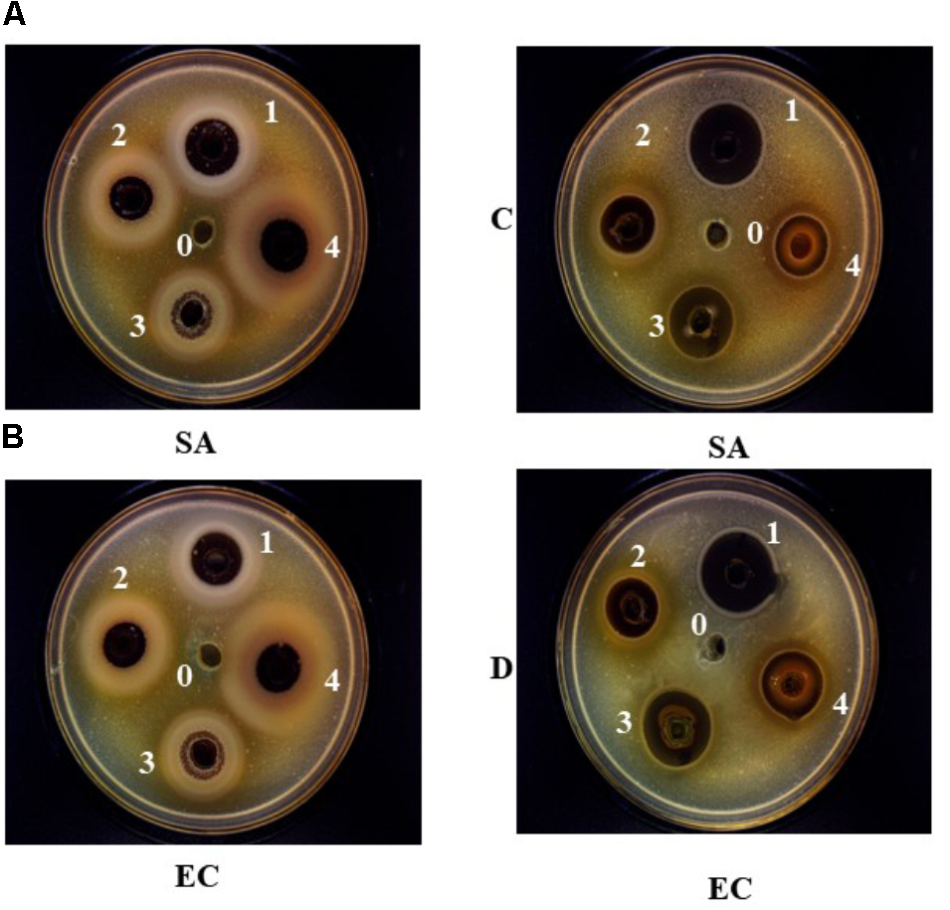
Test the effectiveness of common household items like garlic and honey as natural antibiotics against bacteria. Analyze which substance shows the best antibacterial properties.

14 days·middle
Bean Germination Experiment - How Plants Grow from Seeds Science Project
biologyeasy

Bean Germination Experiment - How Plants Grow from Seeds Science Project

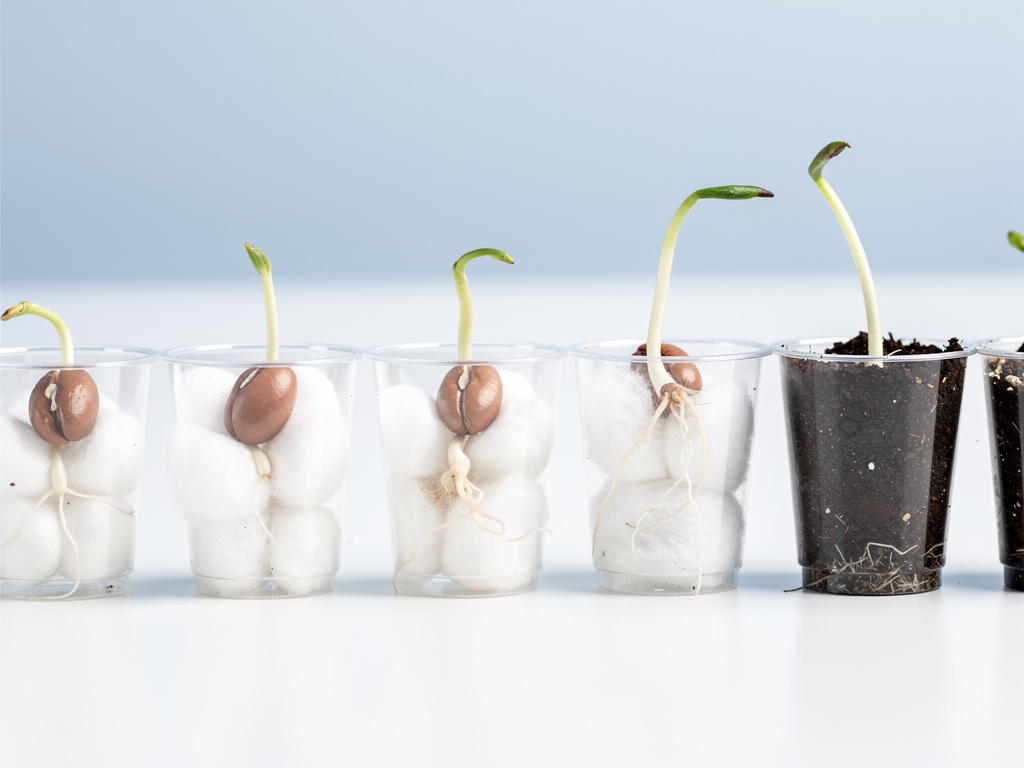
Explore the fascinating process of seed germination with a hands-on bean experiment. Observe how seeds sprout and grow into healthy plants in just a few days, while learning about the needs of living organisms!

4 days·elementary

Like this project? Get more ideas!