Allelopathy: Do Some Plants Inhibit Growth of Others Science Project
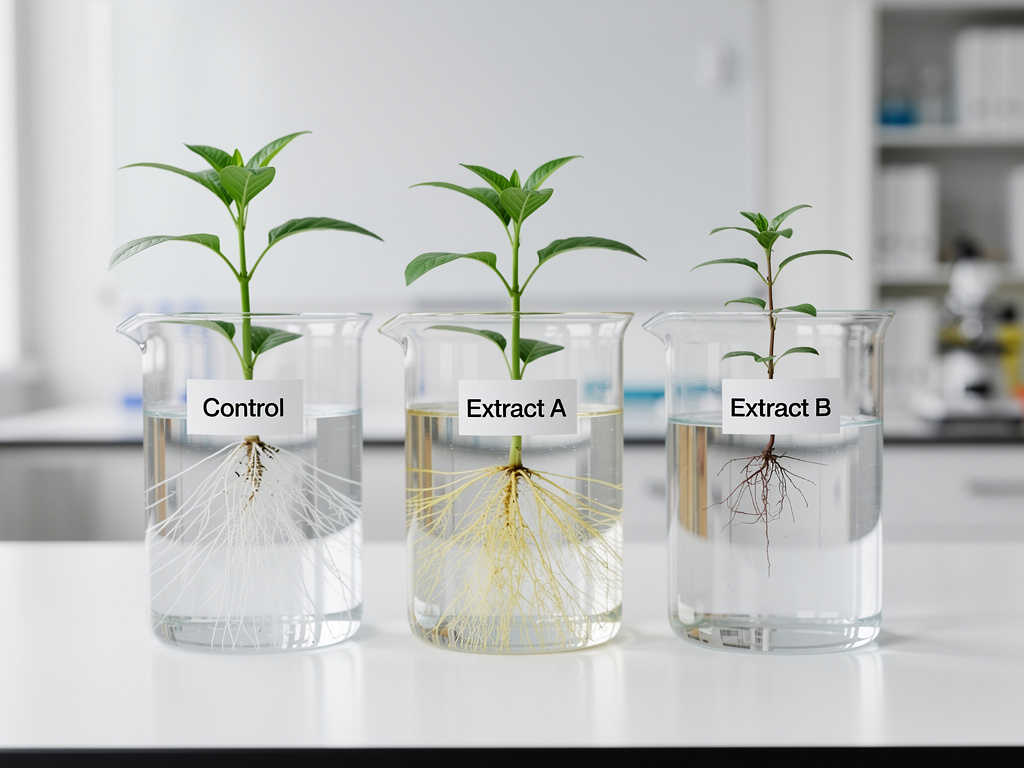
Investigate the allelopathic effects of certain plants on the growth of others. Conduct experiments to observe the relationships between different species!
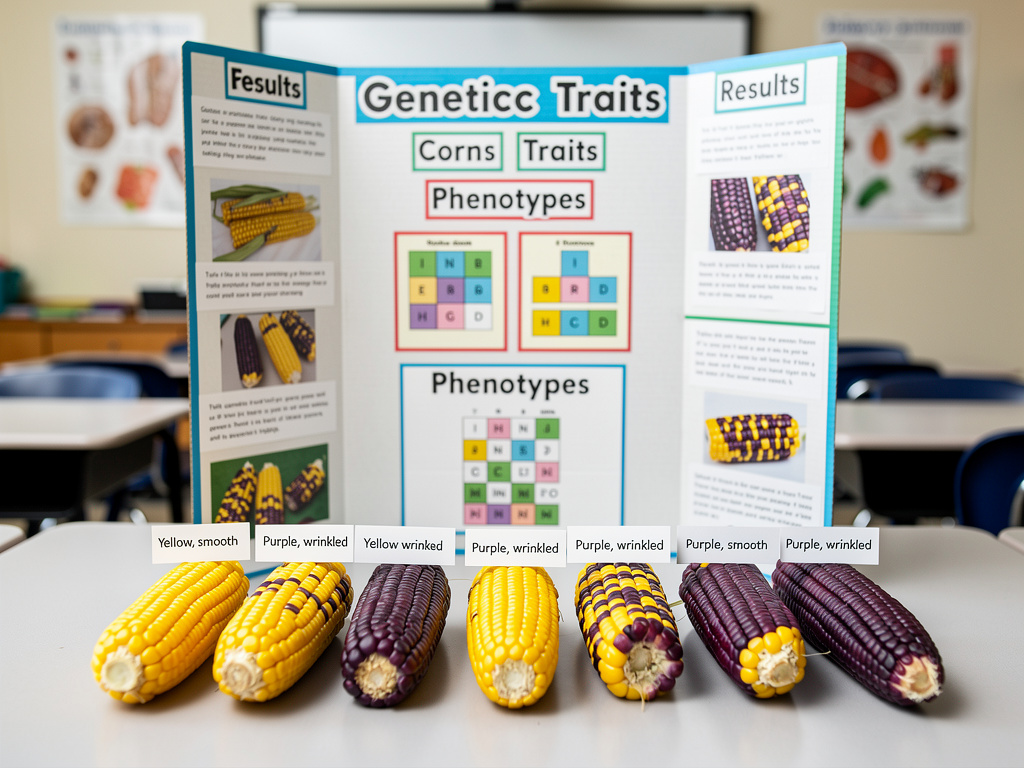
Investigate how traits are inherited in corn plants by examining different ear types. Learn about dominant and recessive traits through hands-on experience!

If two corn plants with different traits are crossed, then the offspring will display a mix of those traits according to Mendelian inheritance patterns.
As an Amazon Associate, this site earns from qualifying purchases.
Select corn ears with distinct traits (e.g., color, size).
Label the ears and record their traits in the notebook.
Cross-pollinate the corn plants if necessary.
Grow the seeds from the corn ears.
Observe and record traits of new corn ears.
Create a data chart of traits observed.
Analyze the inheritance patterns based on Mendelian genetics.
Draw conclusions based on your findings.
The data should reveal predictable inheritance patterns consistent with Mendelian genetics, showing ratios of dominant and recessive traits in the offspring.
parent corn traits
offspring traits
growing conditions, amount of light, type of corn
Be cautious when using scissors, and wash hands after handling plants.
Display a visual representation of inheritance patterns.
Use charts to summarize your findings.
Explain the importance of genetic diversity.
Include a section on real-world genetic applications.
Prepare to engage the audience with questions.
Mendelian inheritance is the pattern of genetic traits being passed from parents to offspring.
Corn has distinct traits that make it easy to observe inheritance patterns.
Yes, many plants can show Mendelian traits and are suitable for genetic studies.