Allelopathy: Do Some Plants Inhibit Growth of Others Science Project
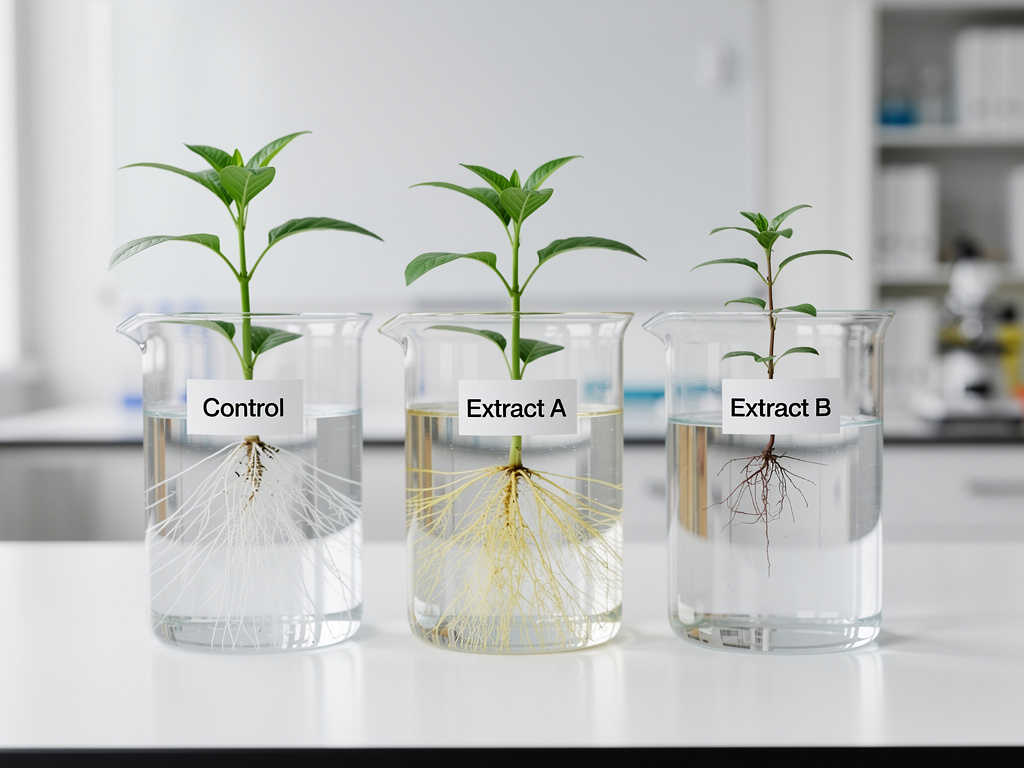
Investigate the allelopathic effects of certain plants on the growth of others. Conduct experiments to observe the relationships between different species!
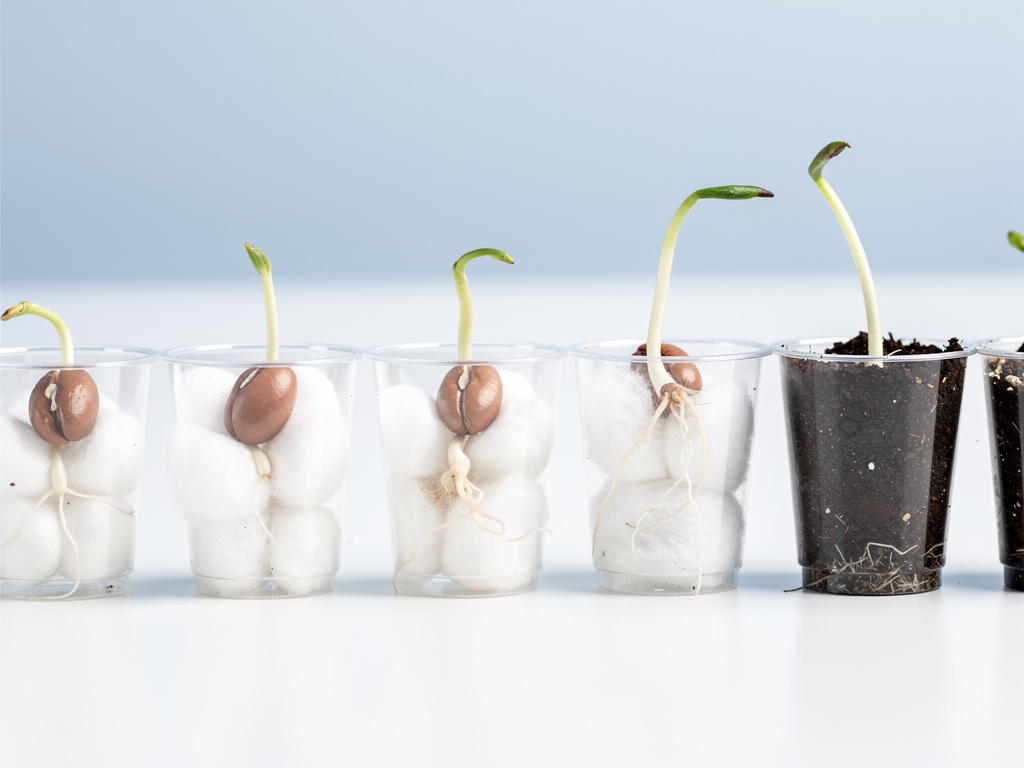
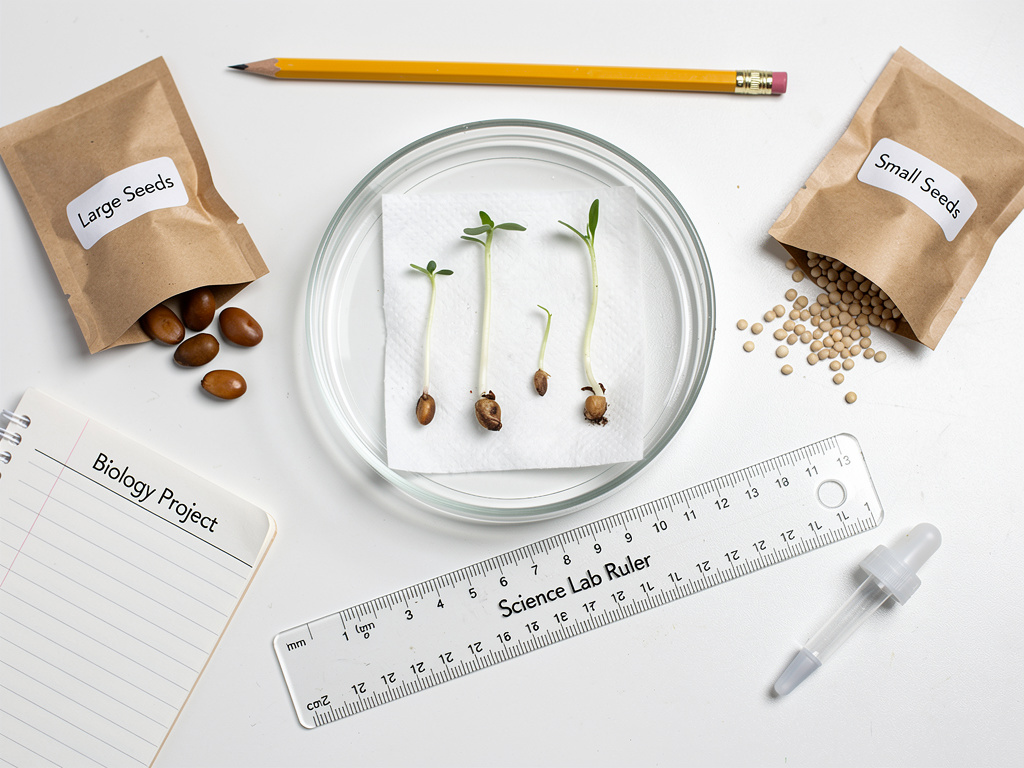
This project investigates the relationship between seed size and plant growth. By planting seeds of varying sizes, students will measure and compare their growth over time to determine if larger seeds yield larger plants.

If larger seeds are planted, then the resulting plants will be larger compared to those grown from smaller seeds.
As an Amazon Associate, this site earns from qualifying purchases.
Select two types of seeds: one larger and one smaller.
Fill each pot with the same amount of potting soil.
Plant an equal number of large and small seeds in separate pots.
Label each pot with the seed type and measure the initial seed size.
Place the pots in a location with adequate sunlight.
Water the seeds regularly without overwatering.
Record the growth of the plants every few days using a ruler.
Compare the height and health of the plants after 2 weeks.
Analyze and document the differences in growth.
Draw conclusions based on measurements and observations.
It is expected that the plants grown from larger seeds will exhibit greater height and health compared to those from smaller seeds. This would support the hypothesis that seed size influences plant growth.
size of the seeds
height of the plants
amount of soil, amount of water, light exposure
Always wash hands after handling soil and seeds. No specific safety precautions are needed for this project.
Use visuals such as graphs to illustrate growth comparisons.
Include photos of each plant stage.
Explain the importance of seed size in agriculture.
Practice presenting findings clearly and confidently.
Prepare to answer questions about your procedures.
Yes, choose seeds that are easy to grow, like beans or peas.
Ensure proper care and conditions, such as sunlight and watering.
Consider factors like leaf color, height, and overall vigor.