Allelopathy: Do Some Plants Inhibit Growth of Others Science Project
Investigate the allelopathic effects of certain plants on the growth of others. Conduct experiments to observe the relationships between different species!
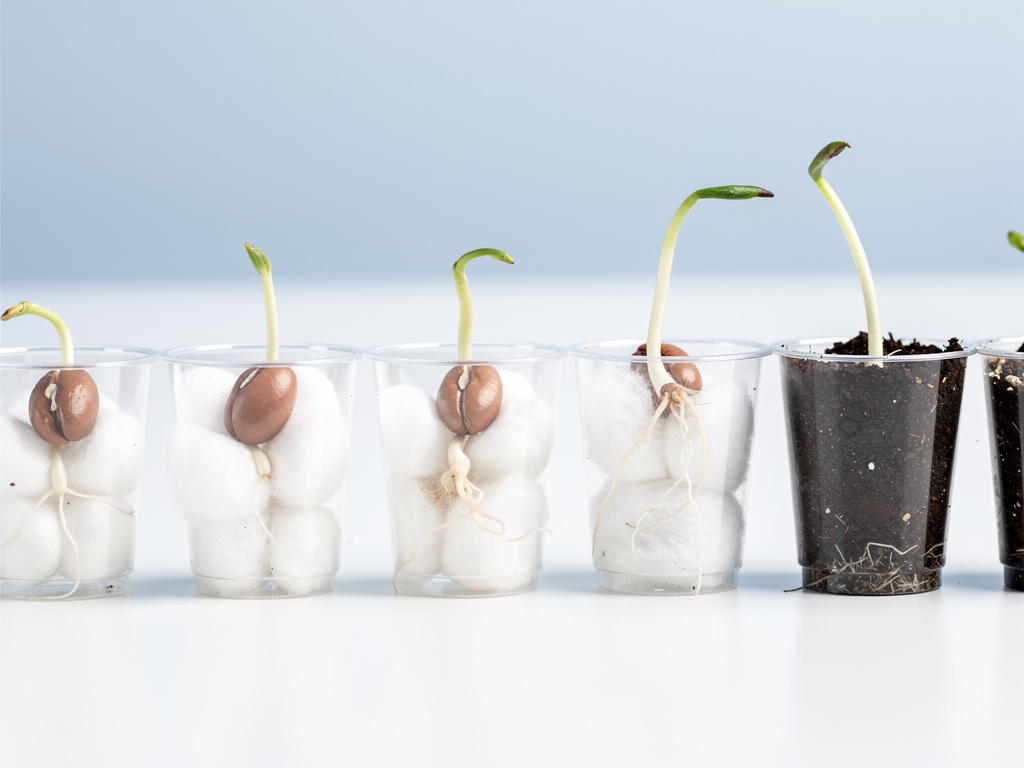
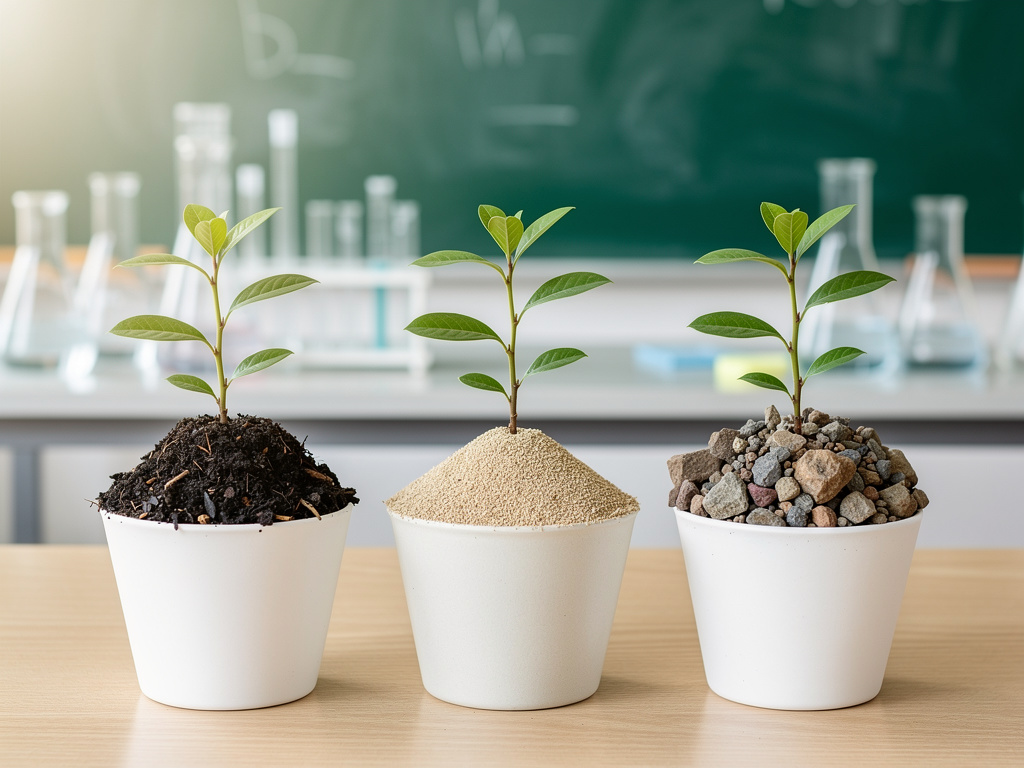
This experiment examines how different types of soil impact the growth of plants. By planting seeds in various soil types, students can measure and analyze growth to understand the importance of soil composition.

If plants are grown in different types of soil, then those in nutrient-rich soil will grow taller and healthier than those in poor-quality soil.
As an Amazon Associate, this site earns from qualifying purchases.
Fill each pot with a different type of soil.
Plant an equal number of seeds in each pot.
Label each pot with the soil type used.
Place the pots in a sunny location with good light exposure.
Water the plants regularly without overwatering.
Measure plant growth weekly using a ruler.
Record observations in the notebook.
Analyze growth data to compare different soil effects.
Discuss results and their implications for farmers and gardeners.
Prepare a presentation summarizing findings and insights.
It is expected that plants grown in nutrient-rich soil will show superior growth in height and overall health compared to those grown in poorer soil types, supporting the hypothesis about soil quality.
type of soil used
growth measurements of plants
type of plant, amount of water, light exposure
Handle soil carefully to avoid contamination. Wash hands after handling soil.
Use graphs to illustrate plant growth across different soils.
Discuss the role of soil quality in agriculture.
Engage the audience with visuals of different soil types.
Prepare to answer questions about soil properties.
Practice your presentation to ensure clarity.
Use a mix of common soils like potting soil, sand, and clay.
Water them consistently but do not overwater.
Check for adequate light and moisture levels.