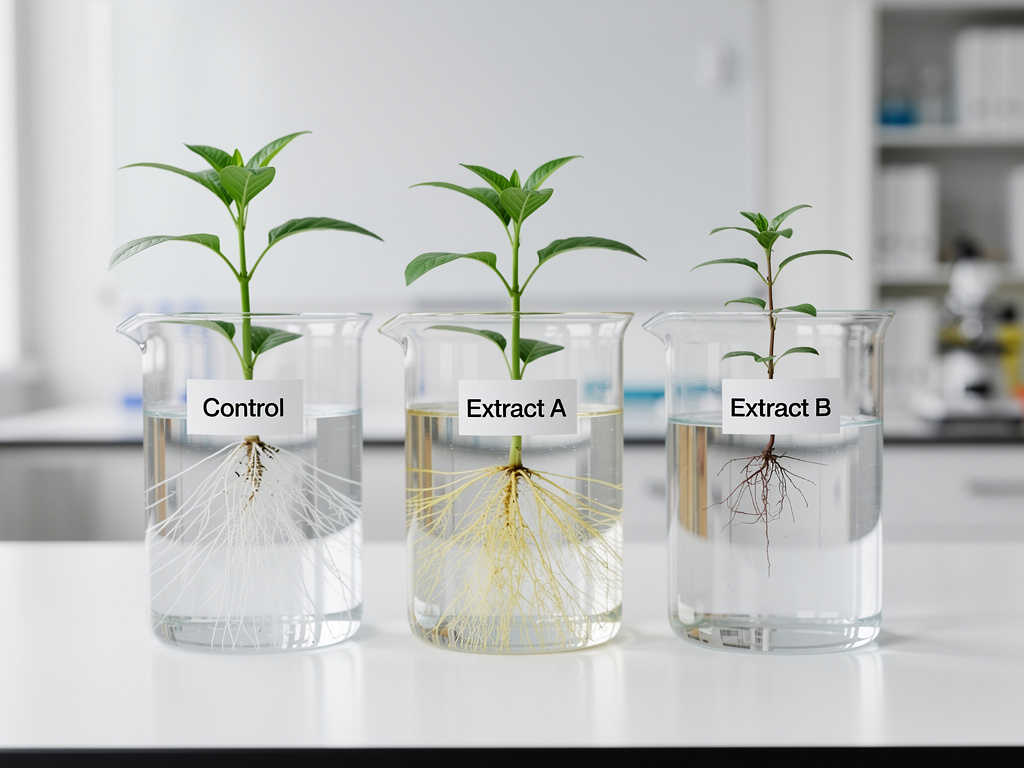
Allelopathy: Do Some Plants Inhibit Growth of Others Science Project
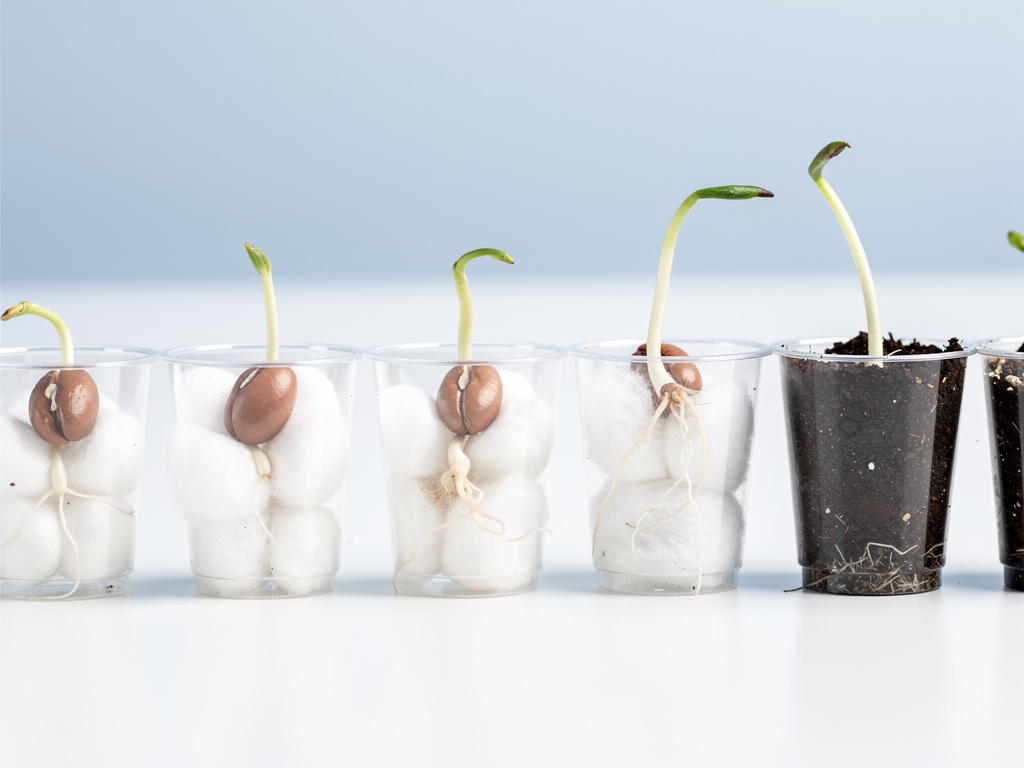
Investigate the allelopathic effects of certain plants on the growth of others. Conduct experiments to observe the relationships between different species!
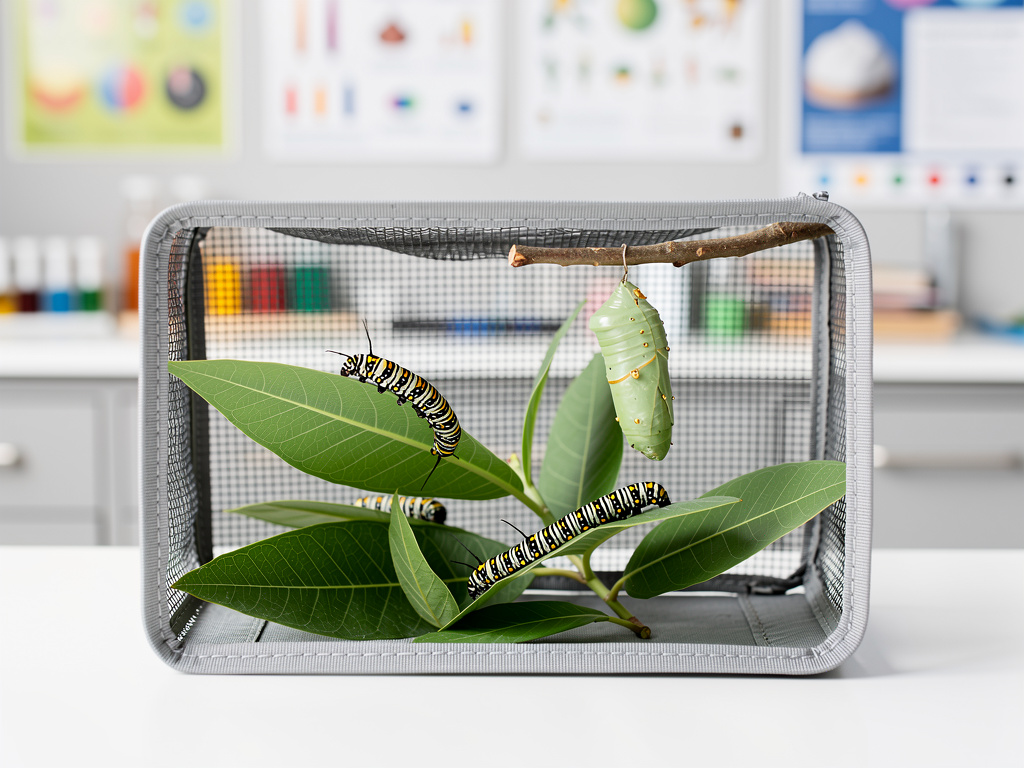
This project allows students to witness the complete metamorphosis of butterflies from caterpillar to chrysalis to adult. With careful observation, learn about each stage of the life cycle and the biology of butterflies!

If caterpillars are observed closely, then the stages of metamorphosis will be clearly visible over the observation period.
As an Amazon Associate, this site earns from qualifying purchases.
Collect 2-4 caterpillars and place them in the container.
Cover the container with mosquito netting to allow airflow.
Provide fresh leaves daily for the caterpillars to eat.
Observe the caterpillars daily, recording their behavior and growth.
Once they form chrysalises, note the date and time.
Continue to monitor the chrysalises, recording any changes.
After a week or so, check for emerging butterflies.
If butterflies emerge, release them in a safe location.
You should observe the caterpillars growing, forming chrysalises, and eventually emerging as butterflies, completing the life cycle of a butterfly.
environment conditions
growth and metamorphosis stages
species of caterpillar, food type, observation frequency
Handle the caterpillars gently and wash hands after handling them.
Create a timeline of the butterfly life cycle.
Include photos or videos of each stage of metamorphosis.
Explain the ecological role of butterflies.
Engage the audience by asking about their experiences with butterflies.
Use visual aids to enhance understanding.
It typically takes 10 days to 2 weeks, depending on the species.
Adult butterflies primarily feed on nectar from flowers.
Yes, but ensure they have enough space and proper ventilation.