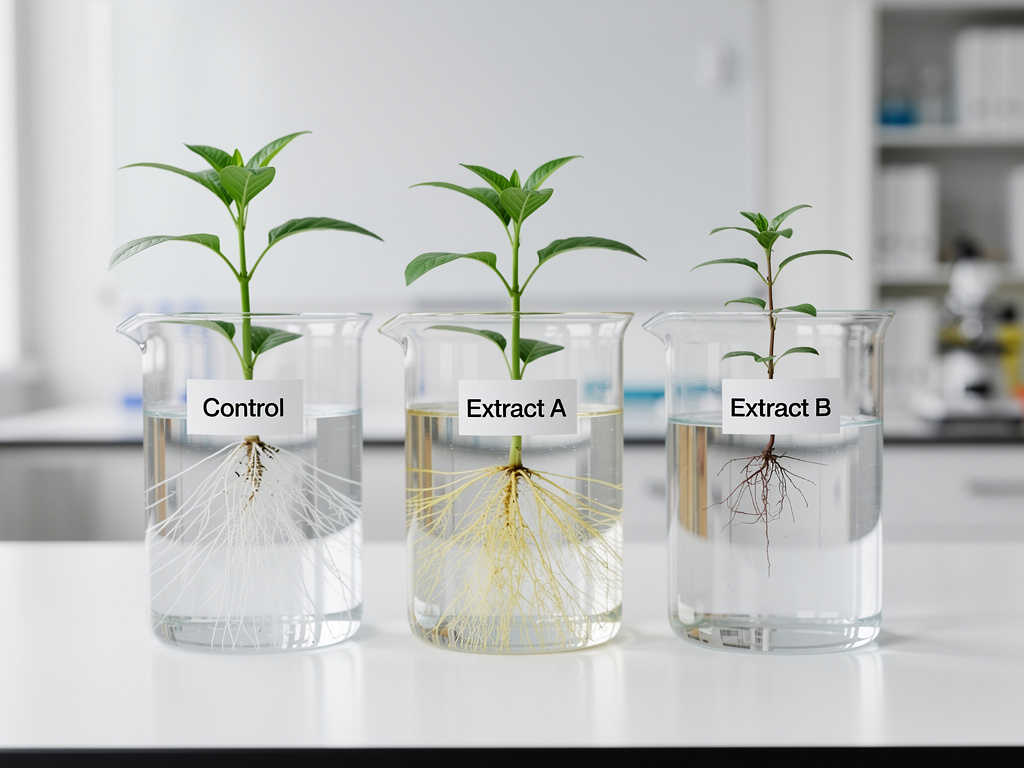
Allelopathy: Do Some Plants Inhibit Growth of Others Science Project
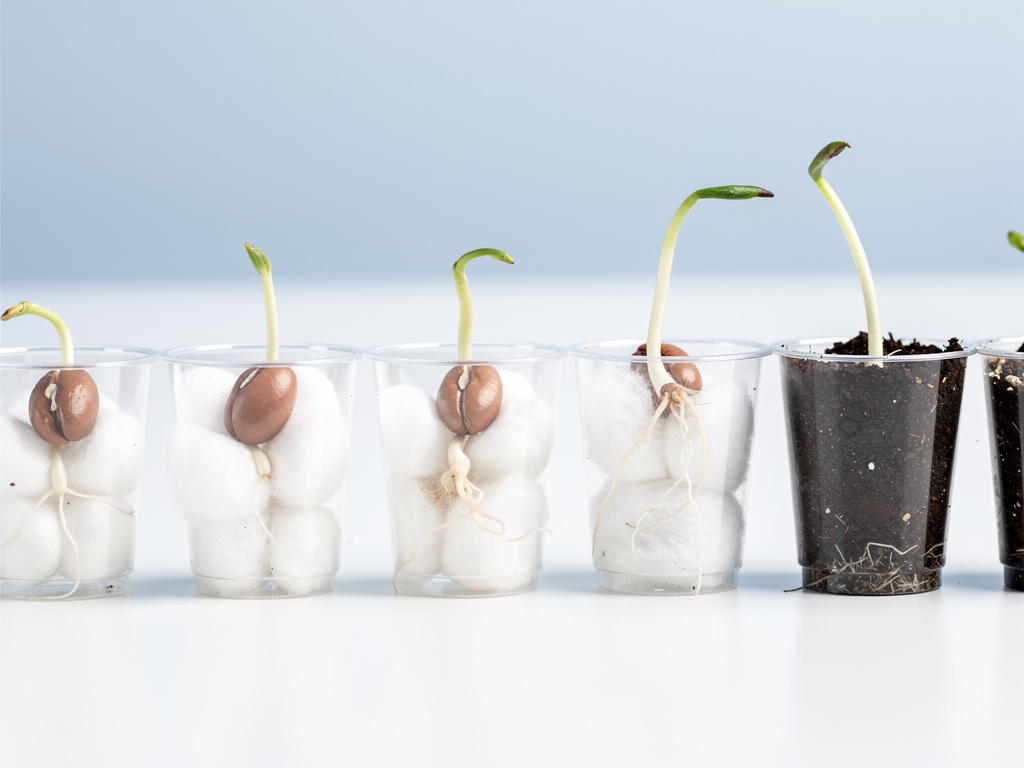
Investigate the allelopathic effects of certain plants on the growth of others. Conduct experiments to observe the relationships between different species!
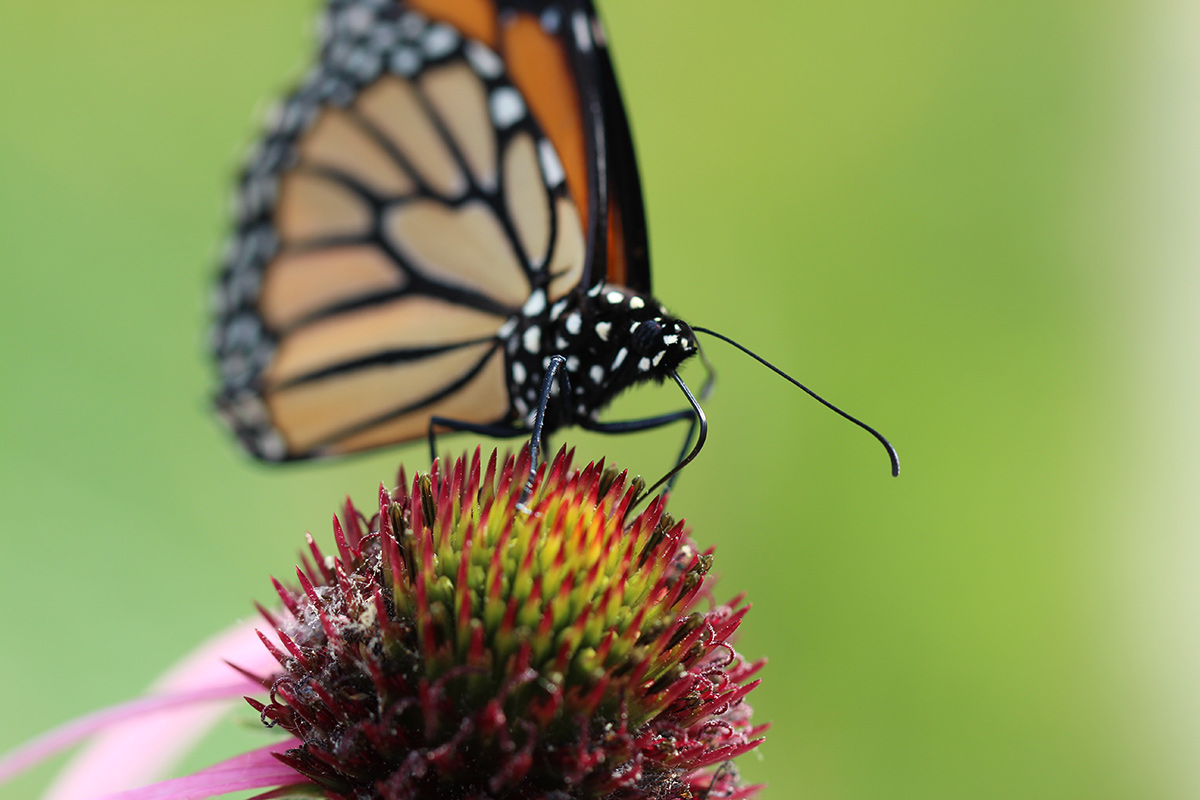
Students will explore butterfly feeding behavior by offering different nectar solutions to see which one butterflies prefer most.

If different nectar flavors are offered, then butterflies will prefer sweeter solutions over others.
As an Amazon Associate, this site earns from qualifying purchases.
Step 1: Mix sugar and water to create a nectar solution.
Step 2: Split the nectar into three cups, adding different food coloring to each.
Step 3: Fill butterfly feeders with each colored nectar.
Step 4: Place feeders in a butterfly-friendly area.
Step 5: Observe and record how many butterflies visit each feeder daily.
Step 6: Change the position of feeders every two days to avoid bias.
Step 7: Continue the observations for two weeks.
Step 8: Analyze which nectar color attracts the most butterflies.
Butterflies are expected to show preference for certain nectar colors, likely favoring the sweeter or more vibrant options.
Nectar flavor
Number of butterfly visits
Butterfly species, Feeder design, Location
Supervise children around butterflies to prevent any harm.
Include charts of daily butterfly visits.
Display photos of butterflies at feeders.
Use colorful visuals to explain your findings.
Colors can indicate nectar sources and attract pollinators.
Use bright colors and place feeders in sunlit garden areas.
In small amounts, food coloring is safe for experiments.