Allelopathy: Do Some Plants Inhibit Growth of Others Science Project
Investigate the allelopathic effects of certain plants on the growth of others. Conduct experiments to observe the relationships between different species!
In this fun project, students will observe how beans germinate and grow into plants. They'll learn about the conditions necessary for seed growth and what factors affect plant development.

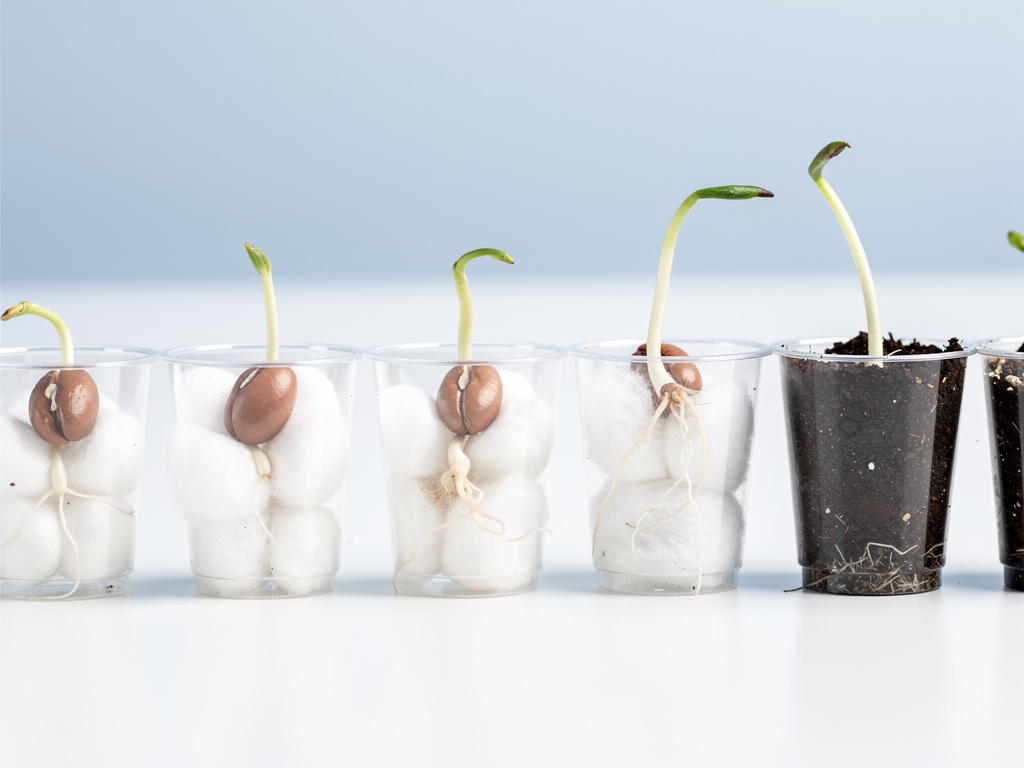
If beans are planted in soil and given water, then they will germinate and sprout into seedlings.
As an Amazon Associate, this site earns from qualifying purchases.
Fill one plastic cup with potting soil.
Plant 2-3 bean seeds in the soil about an inch deep.
Water the soil gently until it's moist but not soggy.
Label the cup with your name and the date.
Place the cup in a sunny spot.
Observe the seeds daily and record any changes in your notebook.
Water the seeds whenever the soil feels dry.
After a few days, note when the sprouts appear.
Students should see the bean seeds germinate within a week. The sprouts will grow taller as days pass, demonstrating the process of seed growth.
Amount of water given
Growth rate of the bean plants
Type of seeds, Soil type, Amount of sunlight
No significant safety hazards, but ensure that seeds are not ingested.
Include photos of the germination process.
Use graphs to display growth over time.
Explain the science behind germination.
Practice presenting your findings to peers.
Create a poster to showcase your project.
Typically, bean seeds germinate within 5-10 days.
Any common bean variety will work for this project.
Check the moisture level, sunlight exposure, and the freshness of your seeds.