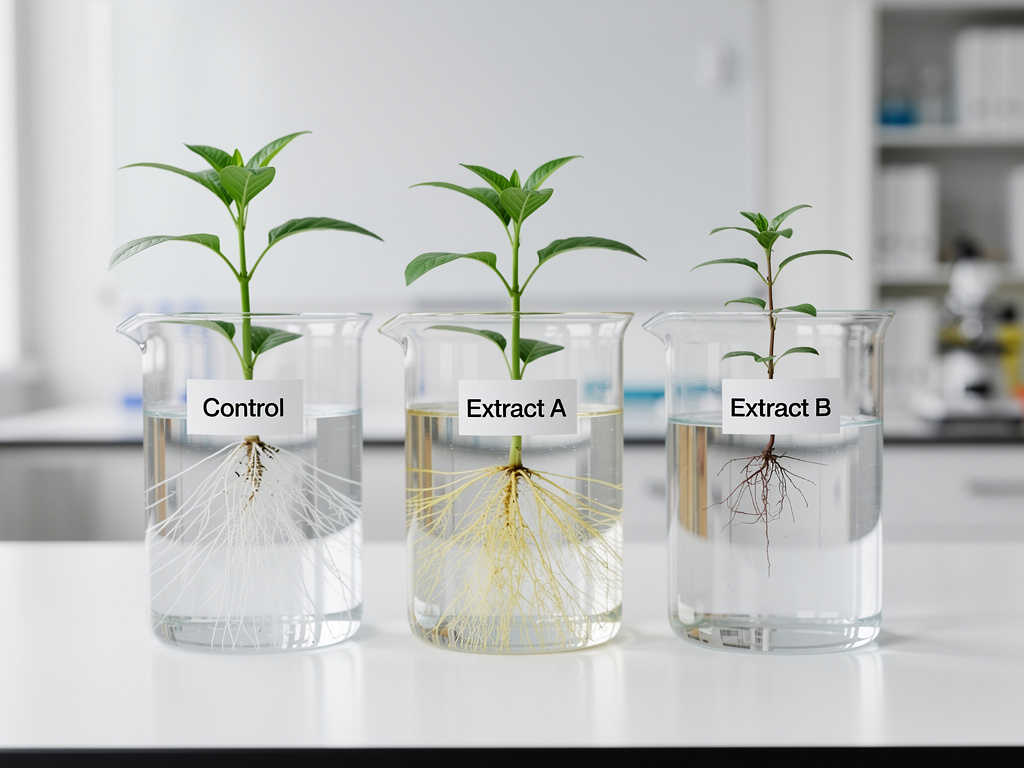
Allelopathy: Do Some Plants Inhibit Growth of Others Science Project
Investigate the allelopathic effects of certain plants on the growth of others. Conduct experiments to observe the relationships between different species!
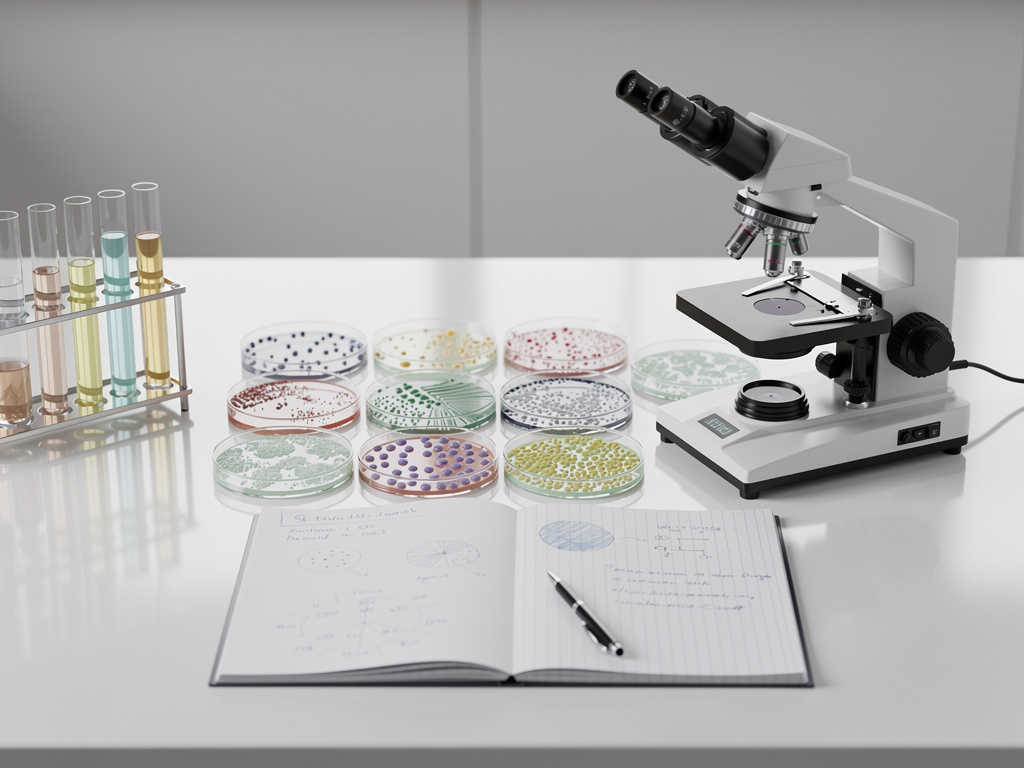
Dive into the world of microbiology by studying how bacteria grow under various environmental conditions. Measure growth and understand microbial behavior!

Bacteria will grow more rapidly in warmer temperatures compared to cooler temperatures.
As an Amazon Associate, this site earns from qualifying purchases.
Label agar plates with different temperature conditions.
Inoculate each plate with the bacterial culture.
Place plates in designated temperature settings.
Observe and record growth at regular intervals.
Measure the diameter of bacterial colonies.
Plot growth curves based on collected data.
Analyze the influence of temperature on bacterial growth.
Draw conclusions from the data collected.
It is expected that bacteria will grow more rapidly at higher temperatures. The growth curves should illustrate distinct patterns based on temperature conditions.
temperature
bacterial colony growth
type of bacteria, agar plate composition, incubation time
Use gloves when handling bacteria and dispose of materials in biohazard containers.
Create clear graphs to illustrate growth trends.
Include photos of bacterial growth over time.
Explain the implications of bacterial growth in real-world applications.
Be prepared to discuss safety practices in microbiology.
Engage the audience with interactive elements.
Bacterial growth curves show the increase in bacterial population over time under specific conditions.
Temperature affects enzyme activity and metabolic rates in bacteria, influencing their growth behavior.
Yes, some bacteria are psychrophilic and can grow in cold environments.