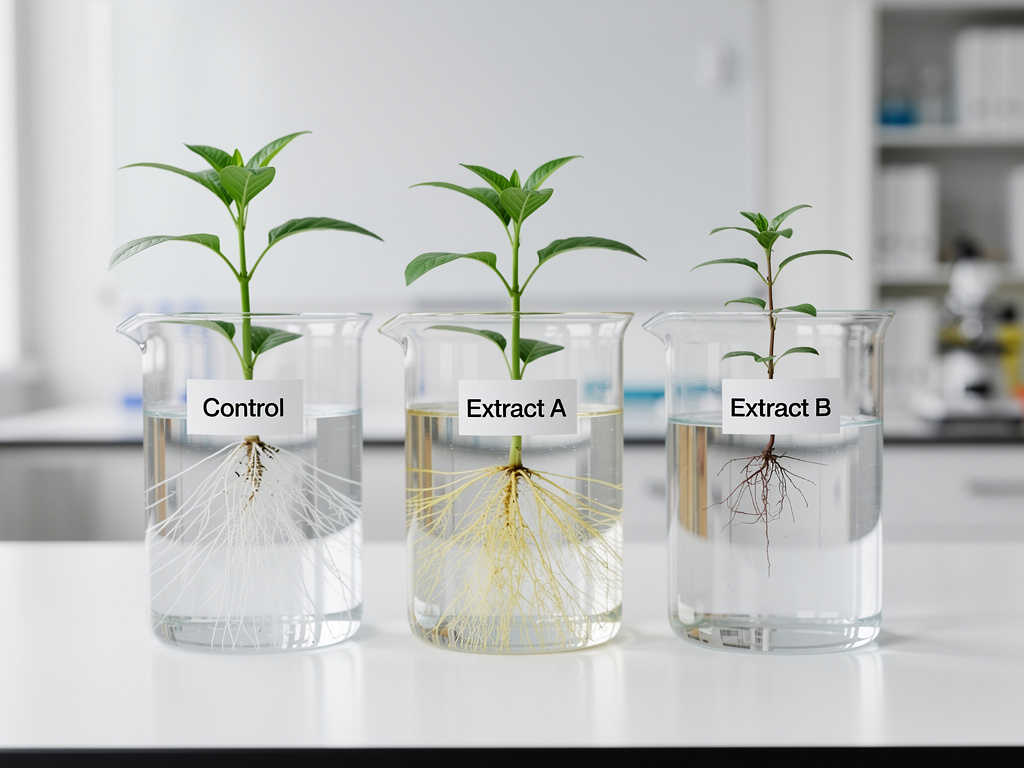
Allelopathy: Do Some Plants Inhibit Growth of Others Science Project
Investigate the allelopathic effects of certain plants on the growth of others. Conduct experiments to observe the relationships between different species!
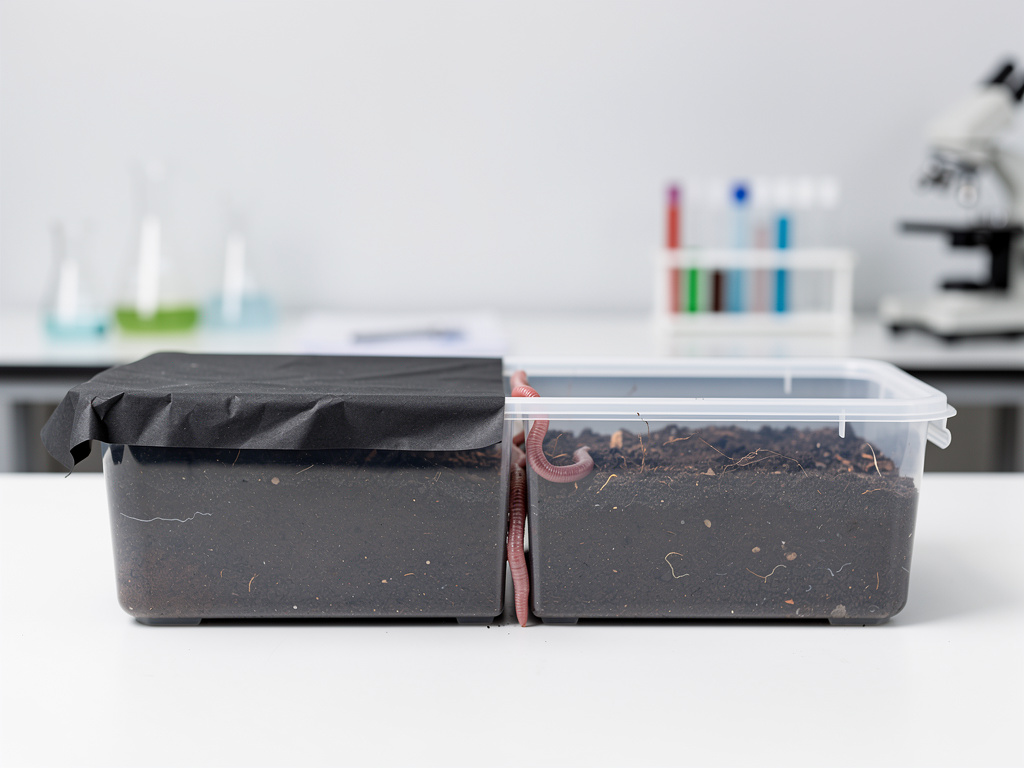
This experiment allows students to investigate whether worms prefer light or dark environments. By creating simple habitats, you can observe their behavior and preferences over time!

If worms are given the option between light and dark, then they will prefer the dark environment.
As an Amazon Associate, this site earns from qualifying purchases.
Prepare two shoeboxes by filling one with soil and covering the other with black paper.
Release 5 worms into each box and ensure they have enough soil to burrow.
Water the soil lightly to keep it moist.
Observe the worms over the course of a week.
Document how many worms are in the light box versus the dark box each day.
After one week, count the number of worms in each environment.
Analyze the data and draw conclusions on worm preferences.
Worms should be found more frequently in the dark box, indicating a preference for dark environments as they tend to be more active there.
light exposure
worm location
amount of soil, water amount, species of worm
Handle worms gently and wash hands after the experiment.
Create a chart showing worm distribution in each box.
Use visuals to illustrate worm anatomy and habitats.
Explain the importance of worms in soil health.
Engage the audience by inviting questions about worms.
Prepare to discuss the role of light in animal behavior.
Worms breathe through their skin, and they need moisture to do so.
While worms can survive in light, they generally prefer dark, moist environments.
Worms primarily eat organic matter and decomposing leaves.