Allelopathy: Do Some Plants Inhibit Growth of Others Science Project
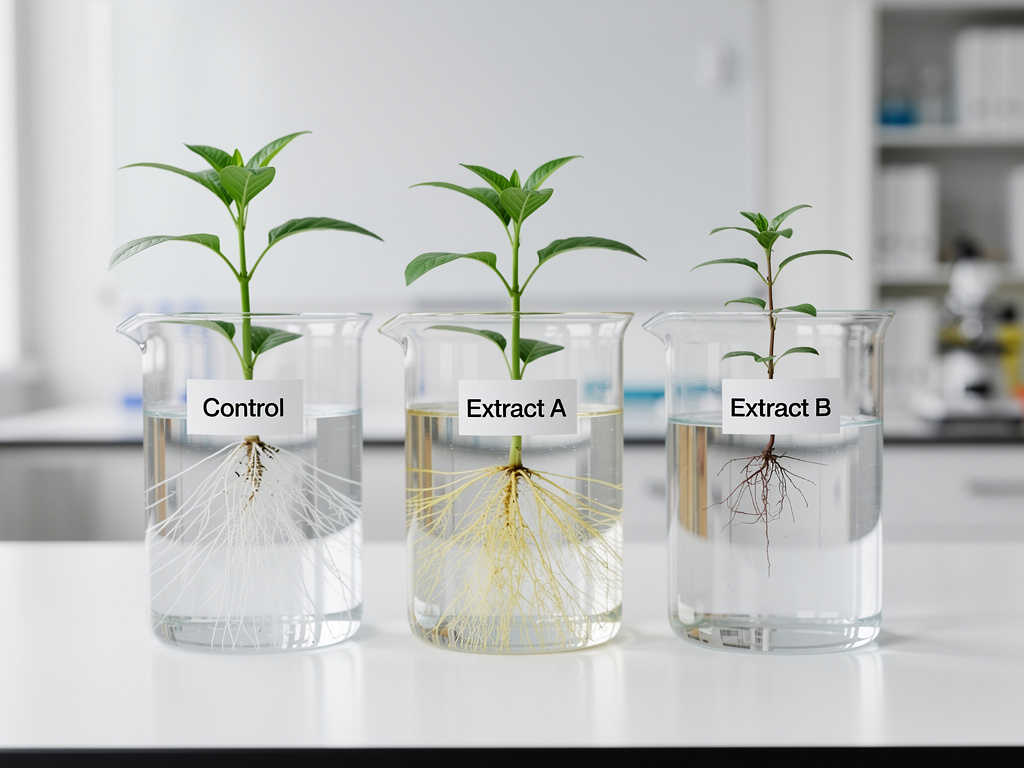
Investigate the allelopathic effects of certain plants on the growth of others. Conduct experiments to observe the relationships between different species!
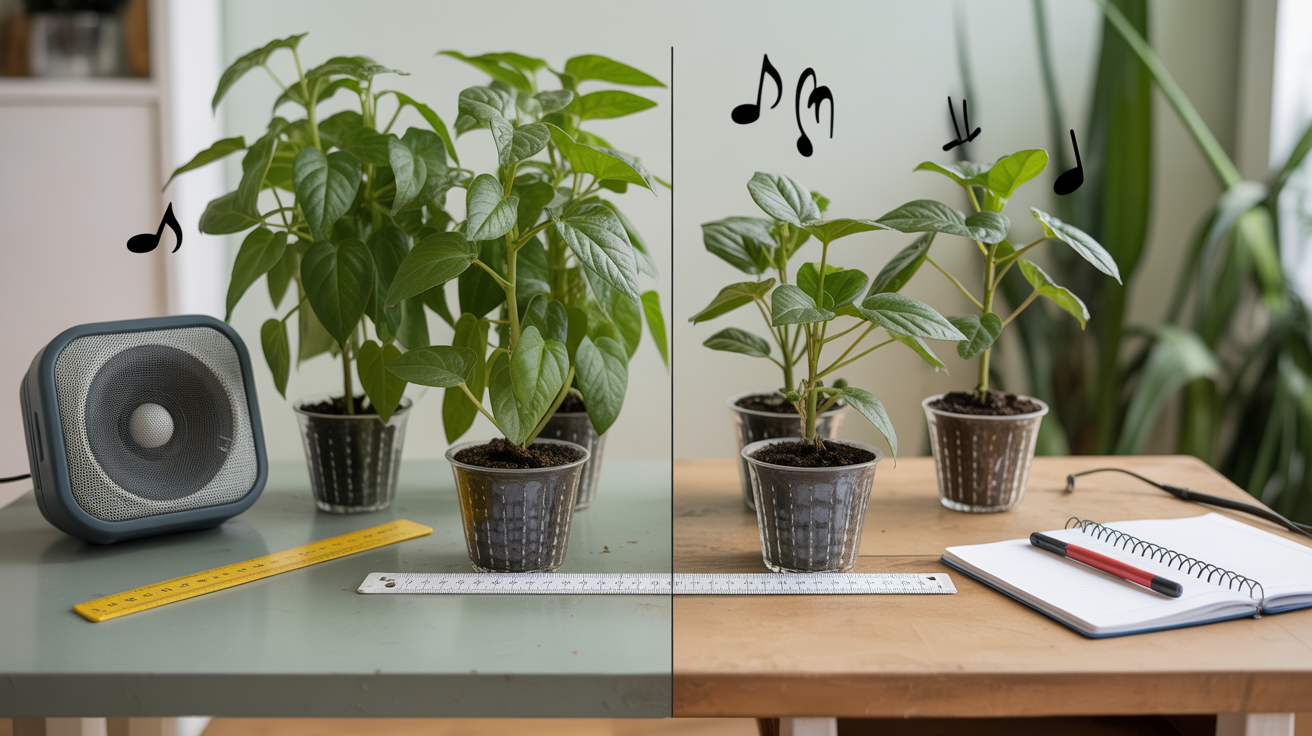
This experiment tests the popular belief that talking or playing music to plants can help them grow. By exposing groups of plants to different types of music (or silence), you can measure and compare their growth over several weeks.

If plants are exposed to classical music, then they will grow taller and healthier than plants exposed to rock music or silence, because the gentle vibrations of classical music may stimulate growth.
As an Amazon Associate, this site earns from qualifying purchases.
Plant one bean plant in each of the nine pots.
Divide the plants into three groups of three.
Place each group in a separate room or area where they will receive the same amount of sunlight.
Label the groups: 'Classical', 'Rock', and 'Control'.
For the 'Classical' group, play classical music for a set number of hours each day.
For the 'Rock' group, play rock music for the same number of hours each day.
The 'Control' group should be in a quiet room with no music.
Water all plants equally and measure their height every three days.
Record your measurements in a data table.
After three weeks, compare the average growth of the three groups.
This is a controversial topic, and results may vary. Some studies suggest that gentle vibrations, like those from classical music, can stimulate plant growth, while harsh vibrations from loud rock music might hinder it. The control group provides a baseline for comparison. The most important part is to conduct a fair test and report your findings accurately, whatever they may be.
The type of music the plants are exposed to.
The height of the plants.
Plant type, pot size, soil, amount of water and sunlight, and the volume of the music.
Be careful with the electrical cords for the music players. Keep water away from the electrical outlets.
Play short clips of the music you used for each group.
Use a line graph to show the growth of each group of plants over time.
Discuss the concept of a 'fair test' and how you controlled your variables.
While plants don't have ears, they can sense vibrations. The theory is that sound waves create vibrations that could affect the plant's cells and growth processes. This is an area of ongoing scientific research.
Yes, the volume of the music is an important variable to control. You should play the music for both experimental groups at the same volume to ensure a fair test. Very loud music might create vibrations that are harmful to the plant.
That's okay! In science, unexpected results can be just as interesting as expected ones. The goal is to conduct a good experiment and report your findings honestly. You can discuss why you think you got the results you did and what you might do differently next time.