Science Fair Projects
physicshard high 28 days

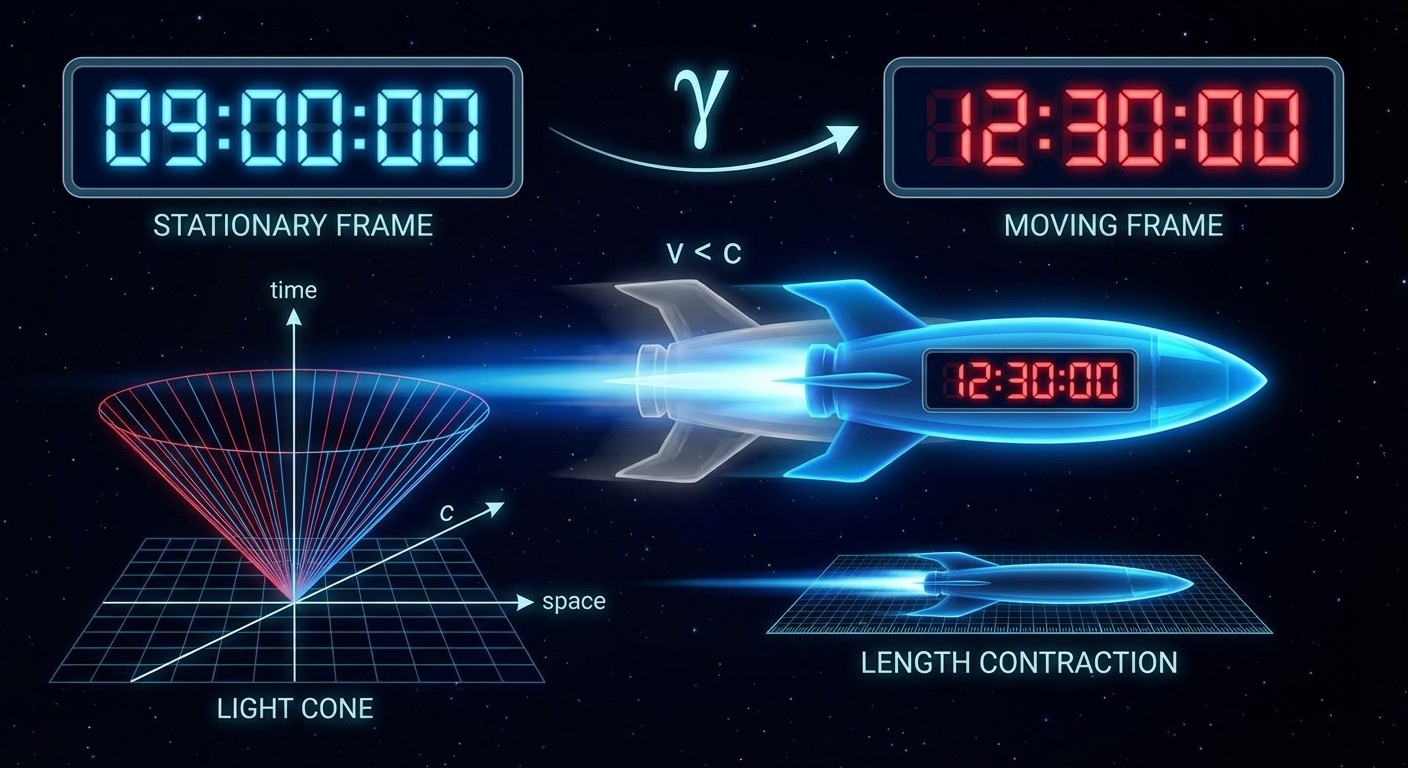
Warp Speed Ahead: Simulating Relativistic Effects

This project challenges students to understand and simulate the effects of traveling at relativistic speeds, approaching the speed of light, using computer simulations. It involves exploring time dilation, length contraction, and relativistic mass increase.

Warp Speed Ahead: Simulating Relativistic Effects

Hypothesis

If an object moves at a significant fraction of the speed of light, then relativistic effects such as time dilation and length contraction will be observable.

Materials Needed

Physics simulation software — 1Buy
Computer — 1Buy
Data logging software — 1Buy
Stopwatch — 1Buy
Notebook for calculations — 1Buy
Einstein’s theory of relativity book — 1Buy
Graphing tools — 1Buy

As an Amazon Associate, this site earns from qualifying purchases.

Step-by-Step Procedure

  1. 1

    Study Einstein's theory of relativity to understand key concepts.

  2. 2

    Set up the simulation software on the computer.

  3. 3

    Input parameters to simulate an object traveling at various speeds close to light.

  4. 4

    Record observations of time dilation compared to stationary objects.

  5. 5

    Simulate length contraction using different velocities.

  6. 6

    Analyze the effect of mass increase at relativistic speeds.

  7. 7

    Repeat simulations to ensure accuracy of results.

  8. 8

    Document all findings and compare them with theoretical predictions.

  9. 9

    Create graphs to visually represent the data collected.

  10. 10

    Draft a report summarizing the experiment and its implications.

  11. 11

    Develop a presentation explaining the results.

  12. 12

    Practice presenting the findings to ensure clarity and engagement.

Expected Results

Results should confirm that objects moving at relativistic speeds experience time dilation and length contraction, verifying Einstein's predictions.

Variables

Independent Variable

Speed of the object

Dependent Variable

Observed relativistic effects

Controlled Variables

Simulation environment, Initial mass of the object, Measurement instruments

Safety Notes

Ensure proper handling of computer equipment and software to avoid technical issues.

Presentation Tips

  • Use animations to illustrate concepts like time dilation and length contraction.

  • Relate findings to real-world applications, like GPS satellites.

  • Include historical context on how relativity challenged classical physics.

Frequently Asked Questions

What is relativistic speed?

Relativistic speed refers to velocities that are a significant fraction of the speed of light, where relativistic effects become noticeable.

How does time dilation affect astronauts?

Astronauts moving at high speeds experience slower passage of time compared to those on Earth, a concept known as time dilation.

Why can't objects exceed the speed of light?

As an object approaches the speed of light, its mass increases exponentially, requiring infinite energy to reach or exceed light speed, making it impossible.

Related Projects

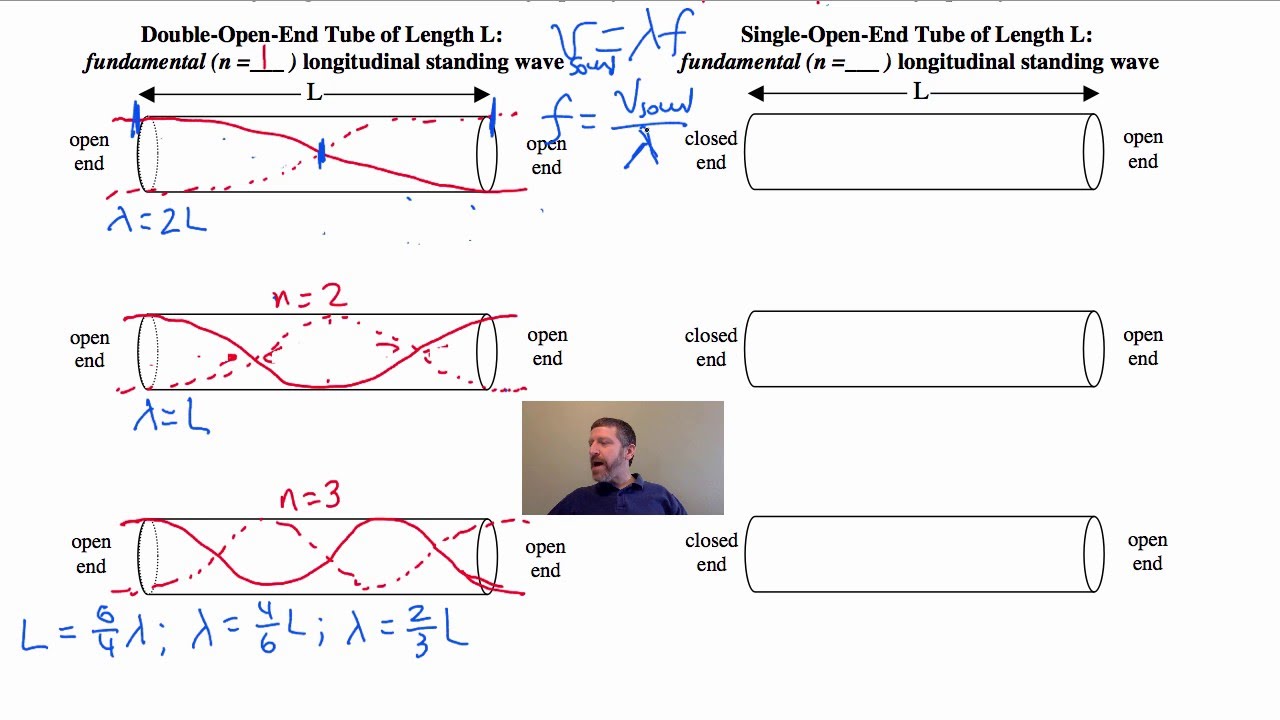
Acoustic Resonance Experiment: Standing Waves in Tubes Science Fair Project
physicsmedium

Acoustic Resonance Experiment: Standing Waves in Tubes Science Fair Project

This experiment allows you to explore sound waves and resonance using tubes. By creating standing waves, you'll visualize how sound behaves in different environments. Perfect for middle school science fairs!

7 days·middle
Analyzing Quantum Tunneling in Semiconductor Devices
physicshard

Analyzing Quantum Tunneling in Semiconductor Devices

This project investigates quantum tunneling phenomena within semiconductor devices. Students will measure how electrons traverse energy barriers and analyze how this impacts device efficiency.

25 days·high
Archimedes' Principle: Testing Buoyancy with Different Objects
physicsmedium

Archimedes' Principle: Testing Buoyancy with Different Objects

This project allows students to test various objects for buoyancy, demonstrating Archimedes' principle. It engages students in hands-on learning about density and displacement.

7 days·middle
Astronomical Observation - Tracking Planetary Motion
physicsmedium

Astronomical Observation - Tracking Planetary Motion

In this project, you will observe and record the positions of planets in the night sky over a month. By using a telescope or binoculars, you will track their movements, document their position on specific dates, and analyze their orbits to understand celestial mechanics. This project fosters an appreciation of astronomy and the dynamics of our solar system.

14 days·high
Atmospheric Pressure and Weather Patterns Analysis
physicsmedium

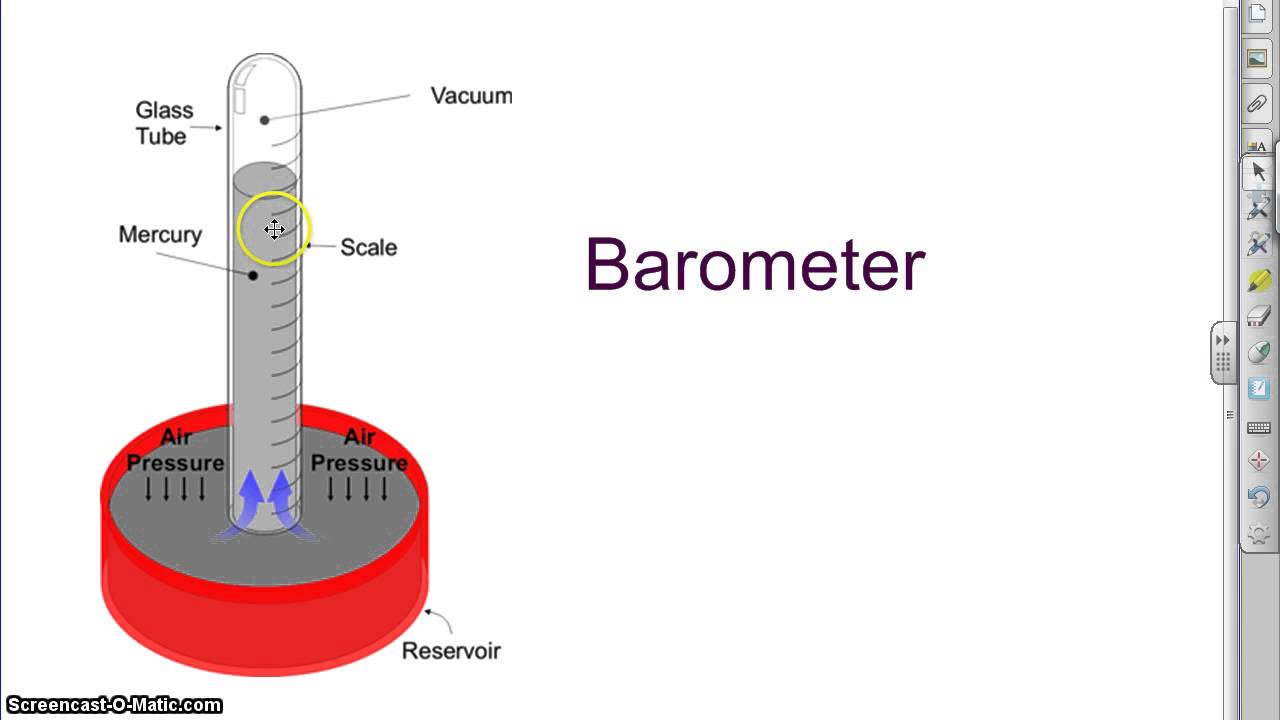
Atmospheric Pressure and Weather Patterns Analysis

This project investigates how changes in atmospheric pressure correlate with weather conditions. By using a barometer to measure pressure and recording local weather patterns over a week, you will analyze the data to determine relationships and predict weather changes. This project emphasizes the importance of atmospheric science in understanding our climate.

7 days·middle
Balloon Rocket Experiment: Explore Newton's Third Law in Action
physicseasy

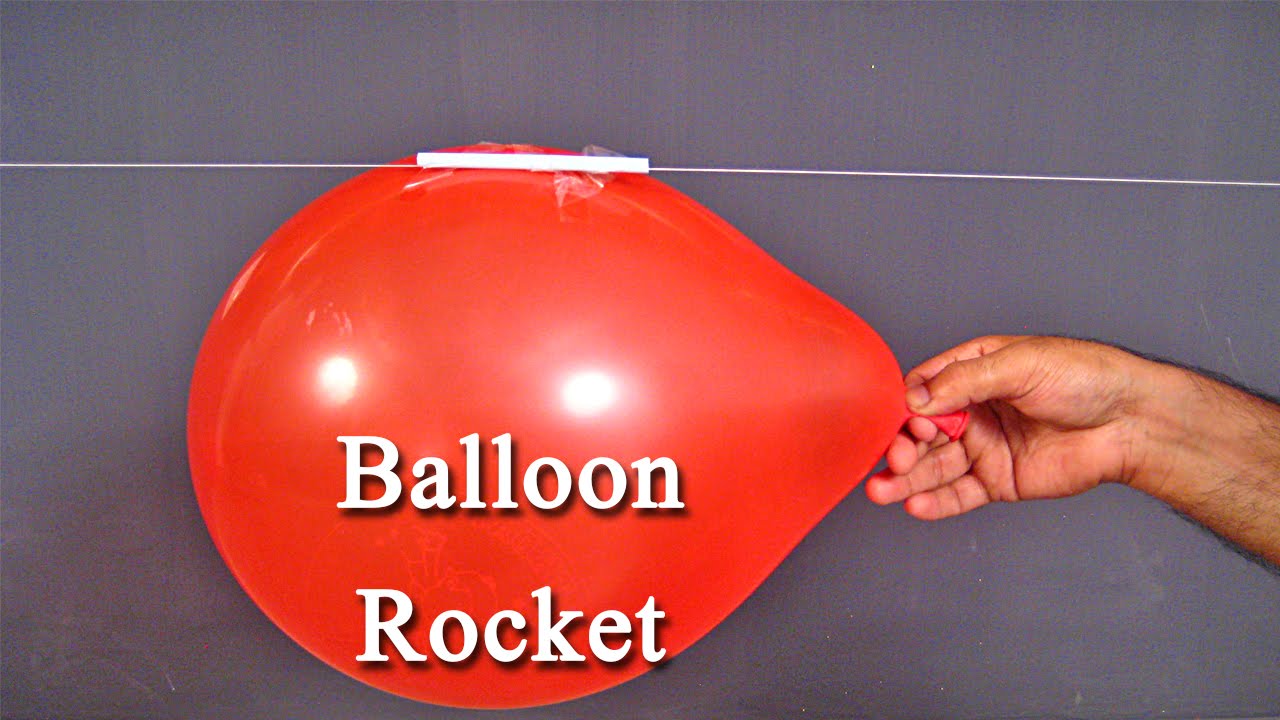
Balloon Rocket Experiment: Explore Newton's Third Law in Action

This exciting balloon rocket experiment demonstrates Newton's third law of motion. By launching balloons, students can visually see how every action creates an equal and opposite reaction!

1 days·middle

Like this project? Get more ideas!