Science Fair Projects
physicsmedium middle 7 days

Atmospheric Pressure and Weather Patterns Analysis

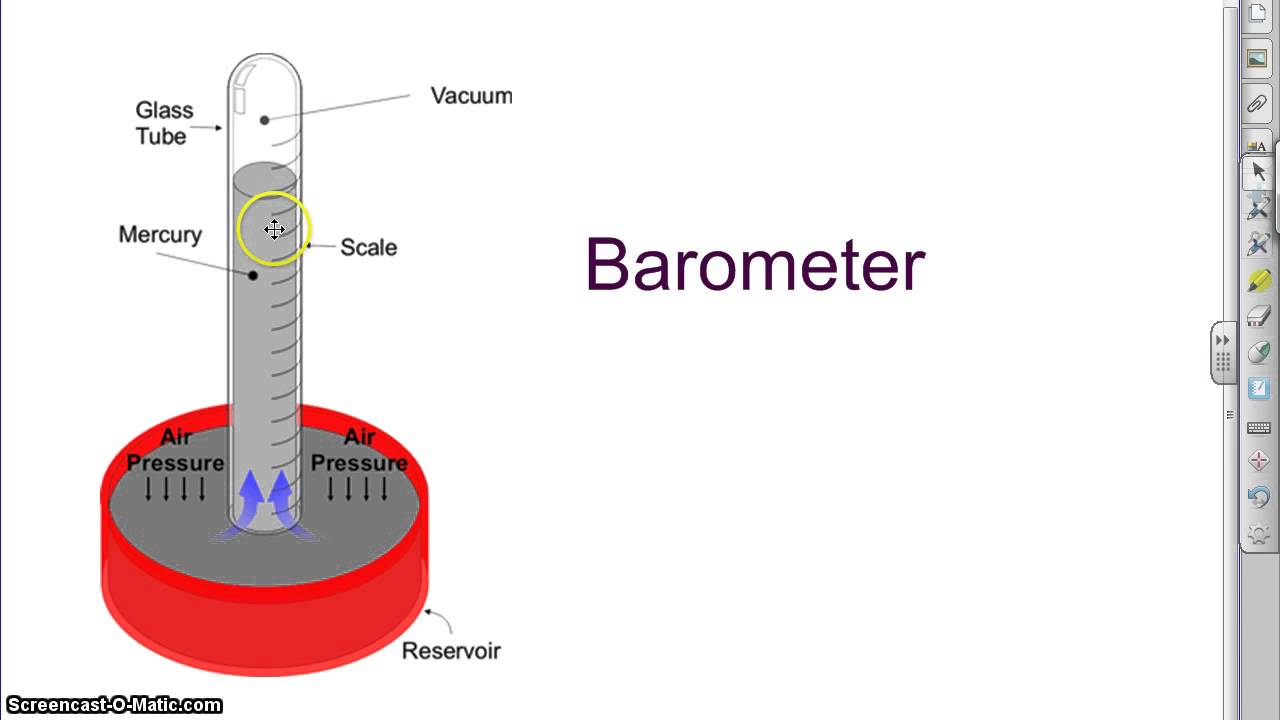
This project investigates how changes in atmospheric pressure correlate with weather conditions. By using a barometer to measure pressure and recording local weather patterns over a week, you will analyze the data to determine relationships and predict weather changes. This project emphasizes the importance of atmospheric science in understanding our climate.

Atmospheric Pressure and Weather Patterns Analysis

Hypothesis

If atmospheric pressure changes, then we can predict corresponding weather patterns, such as rain or sunshine.

Materials Needed

barometer1Buy
notebook1Buy
pen1Buy
weather app or local forecast1Buy
calendar1Buy

As an Amazon Associate, this site earns from qualifying purchases.

Step-by-Step Procedure

  1. 1

    Set up your barometer according to instructions.

  2. 2

    Each day, record the atmospheric pressure and the corresponding weather conditions.

  3. 3

    Use a weather app or local forecasts for reference.

  4. 4

    Document any interesting weather events during the week.

  5. 5

    Analyze your data for patterns and correlations.

  6. 6

    Create a graph to illustrate the relationship between pressure and weather.

  7. 7

    Prepare a report summarizing your findings and predictions.

  8. 8

    Discuss your observations with classmates.

Expected Results

You will likely find that lower atmospheric pressure corresponds to cloudy and rainy weather, while higher pressure correlates with clear skies.

Variables

Independent Variable

atmospheric pressure

Dependent Variable

weather conditions

Controlled Variables

location of measurements, time of day, method of weather reporting

Safety Notes

Handle the barometer carefully; follow any specific safety guidelines provided with the instrument.

Presentation Tips

  • Include graphs to show data correlations.

  • Discuss the science behind pressure and weather.

  • Involve the audience by asking them about their weather experiences.

  • Prepare a detailed report for follow-up questions.

Frequently Asked Questions

Like this project? Get more ideas!