Allelopathy: Do Some Plants Inhibit Growth of Others Science Project
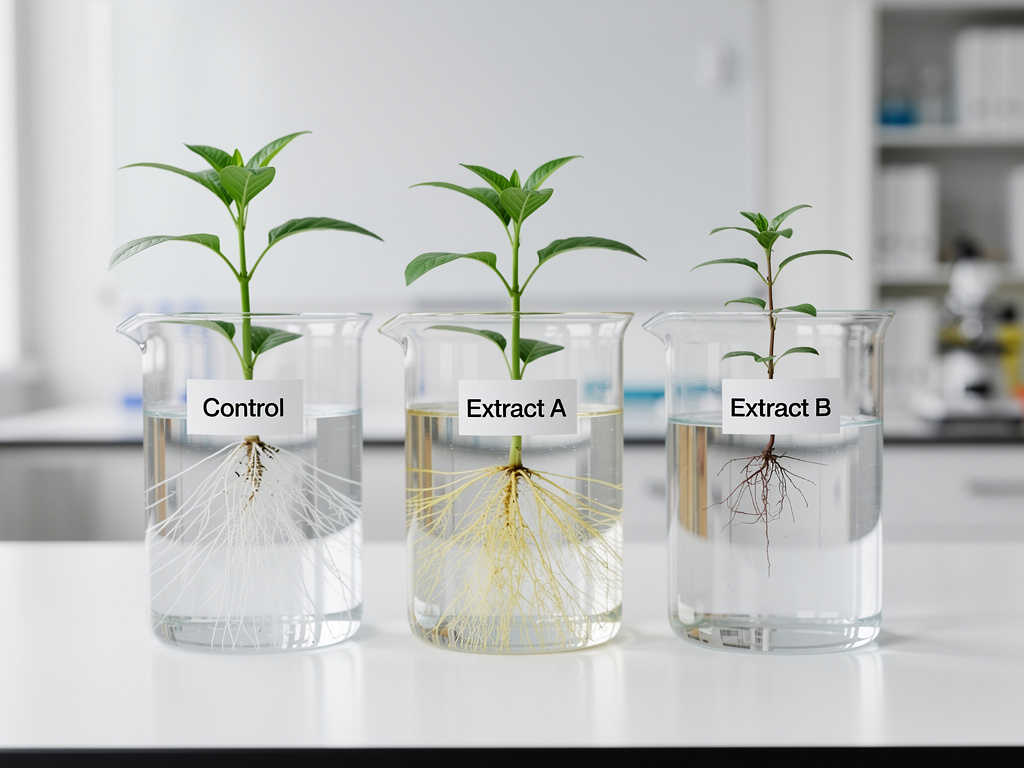
Investigate the allelopathic effects of certain plants on the growth of others. Conduct experiments to observe the relationships between different species!
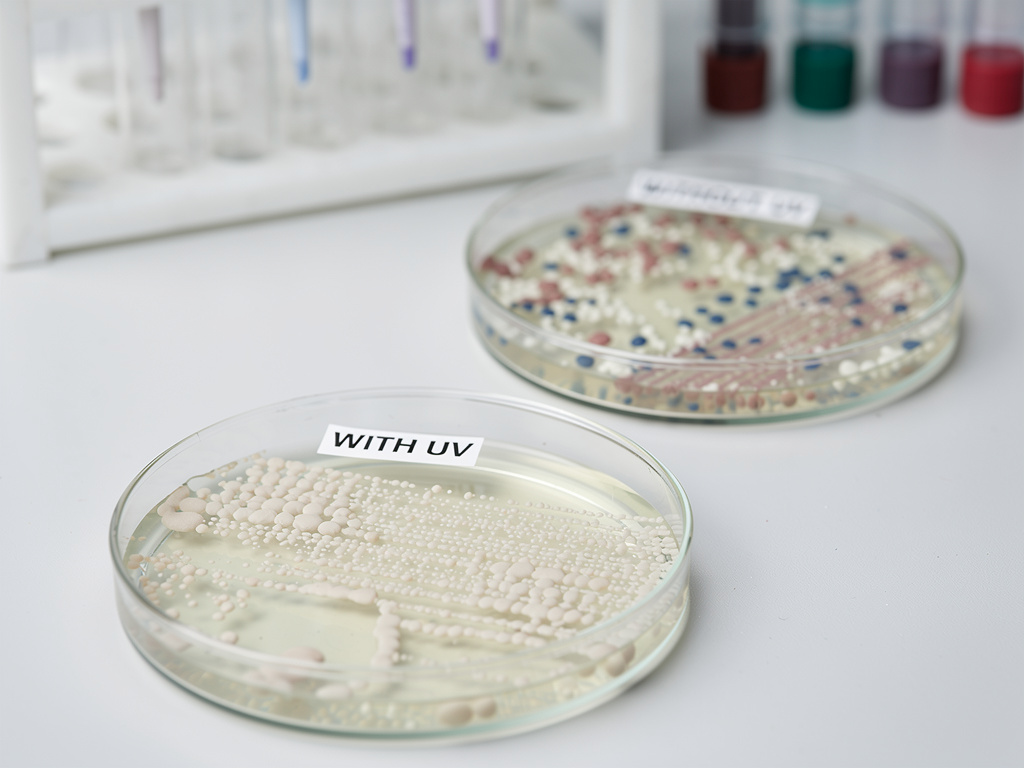
This project studies the impact of UV light on bacterial growth. By exposing bacterial cultures to different UV light durations, students will observe how UV radiation can inhibit or promote bacterial growth, highlighting its potential use in sterilization techniques.

If the duration of UV light exposure increases, then bacterial growth will decrease, demonstrating the effectiveness of UV light as a sterilizing agent.
As an Amazon Associate, this site earns from qualifying purchases.
Prepare petri dishes with agar and label them.
Inoculate each dish with bacterial culture using a sterile technique.
Expose each dish to UV light for varying durations (0, 5, 10, 15, 20 minutes).
Cover the dishes after UV exposure.
Incubate the dishes at room temperature for 48 hours.
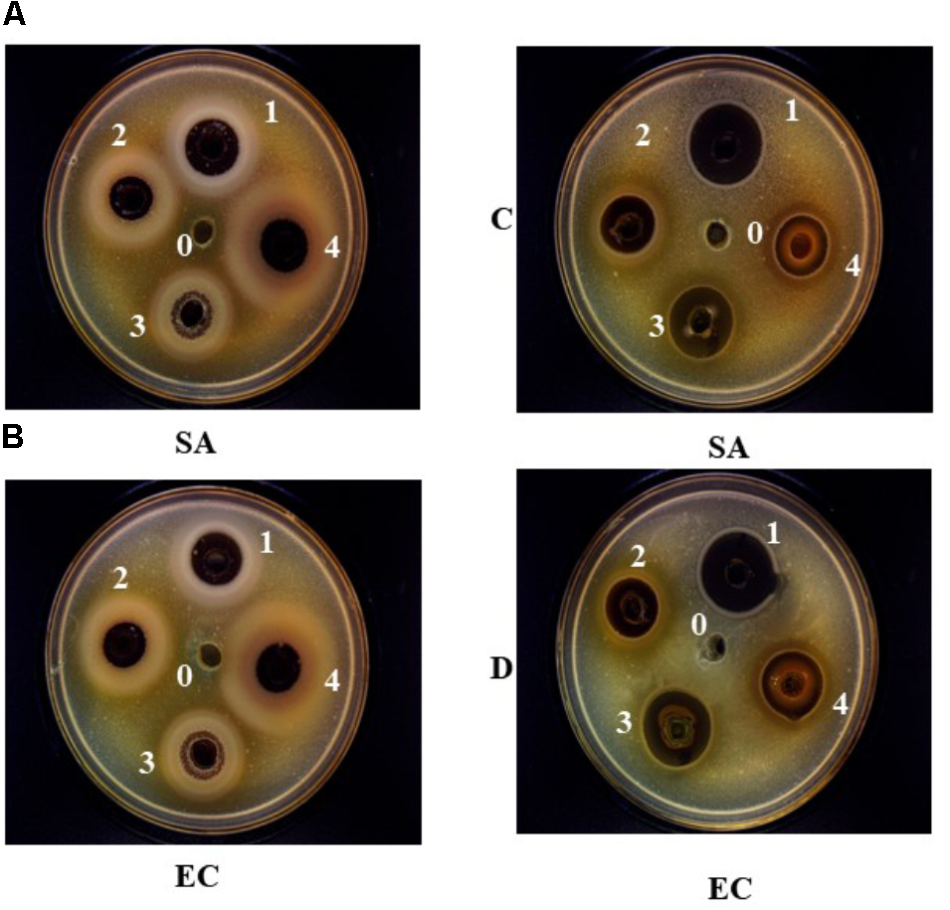
Observe and record bacterial growth in each dish.
Compare growth levels based on UV exposure time.
Analyze results to determine the efficacy of UV light.
Create graphs to illustrate findings.
Discuss implications for public health.
Dishes exposed to UV light for longer periods should show significantly reduced bacterial growth compared to the control group. This supports the hypothesis that UV light can effectively control bacterial populations.
Duration of UV light exposure
Bacterial growth measured by colony count
Type of bacteria, Temperature, Agar medium
Always wear safety goggles when using UV light. Avoid direct exposure of skin and eyes to UV radiation.
Show before and after images of the petri dishes.
Explain the science behind UV light's effect on bacteria.
Discuss real-world applications of UV sterilization.
Engage the audience with questions about bacterial growth control.
Practice your presentation to ensure clarity.
Common bacteria like E. coli or Bacillus subtilis are suitable for this experiment.
Prolonged exposure to UV light can be harmful, hence safety precautions must be followed.
Yes, you can compare UV light to other light sources like visible light.